August 2022
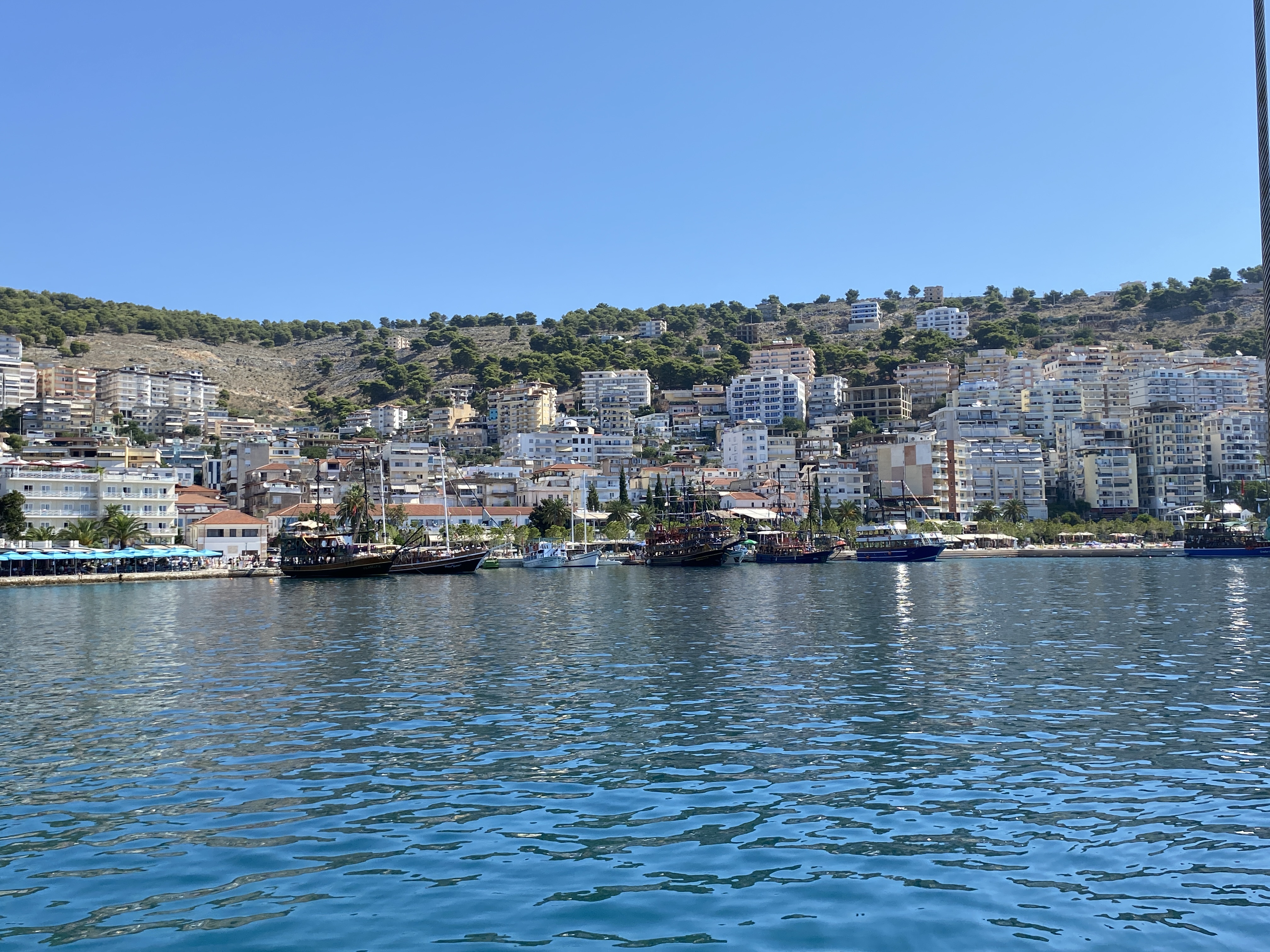
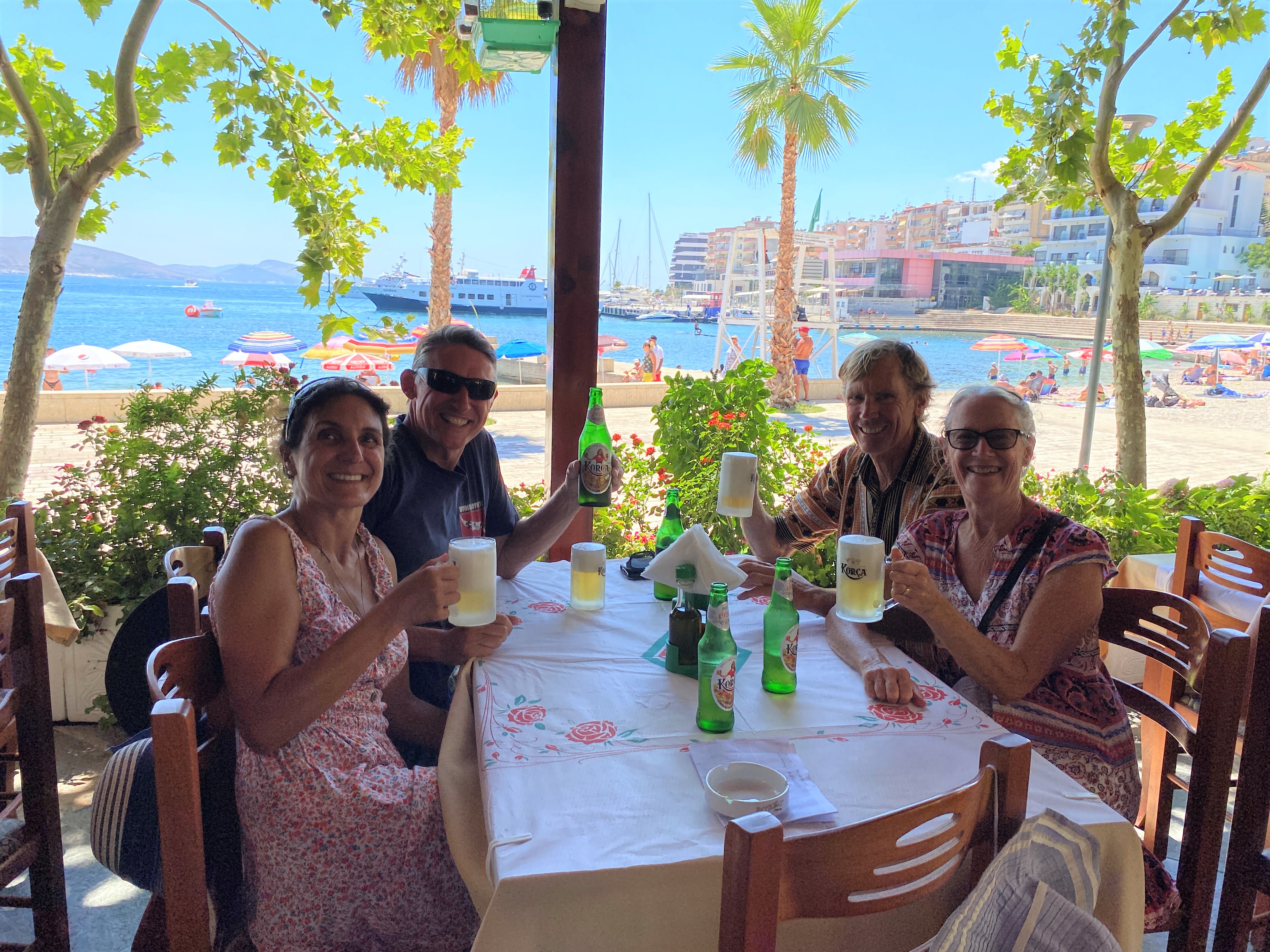
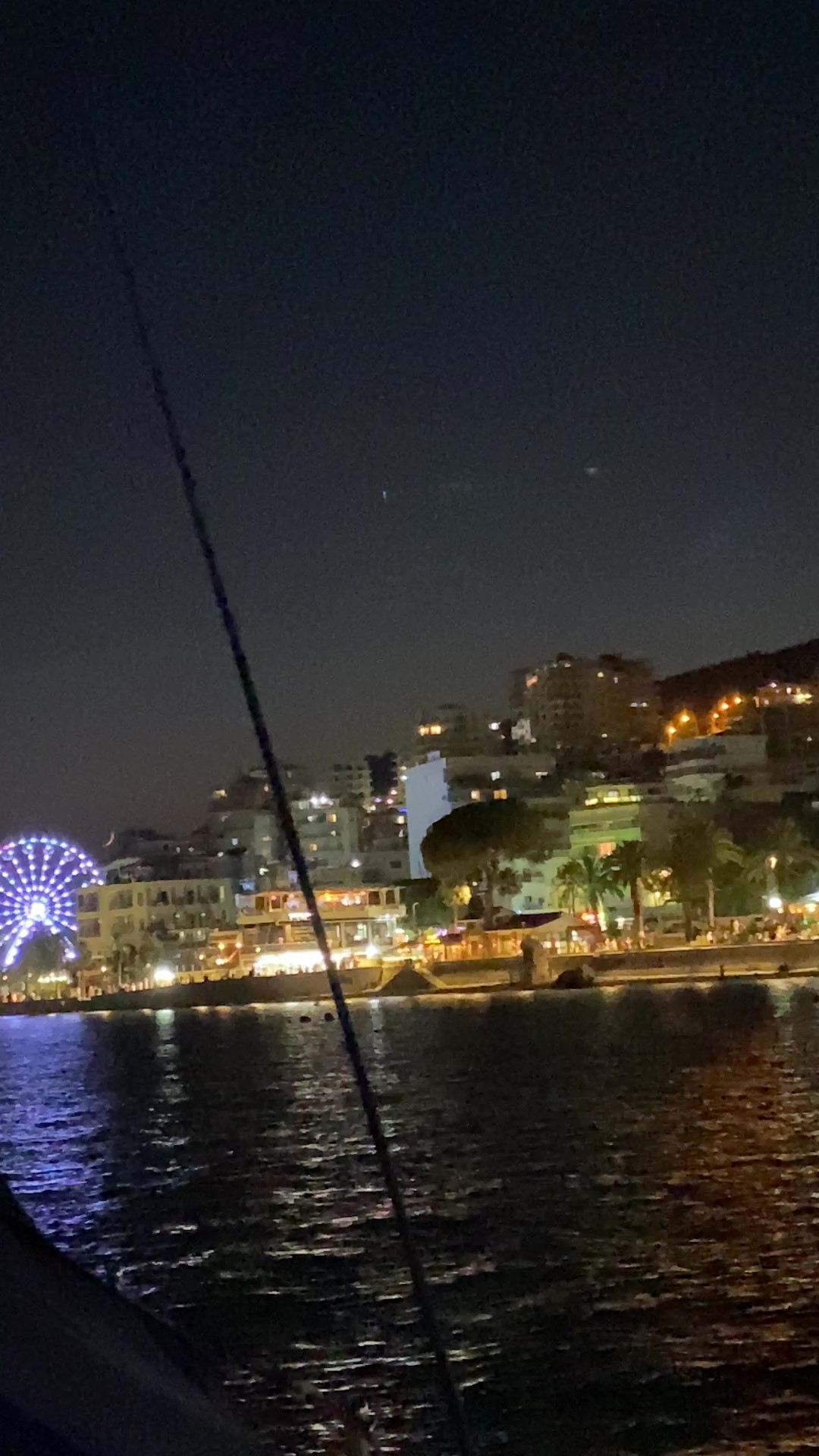
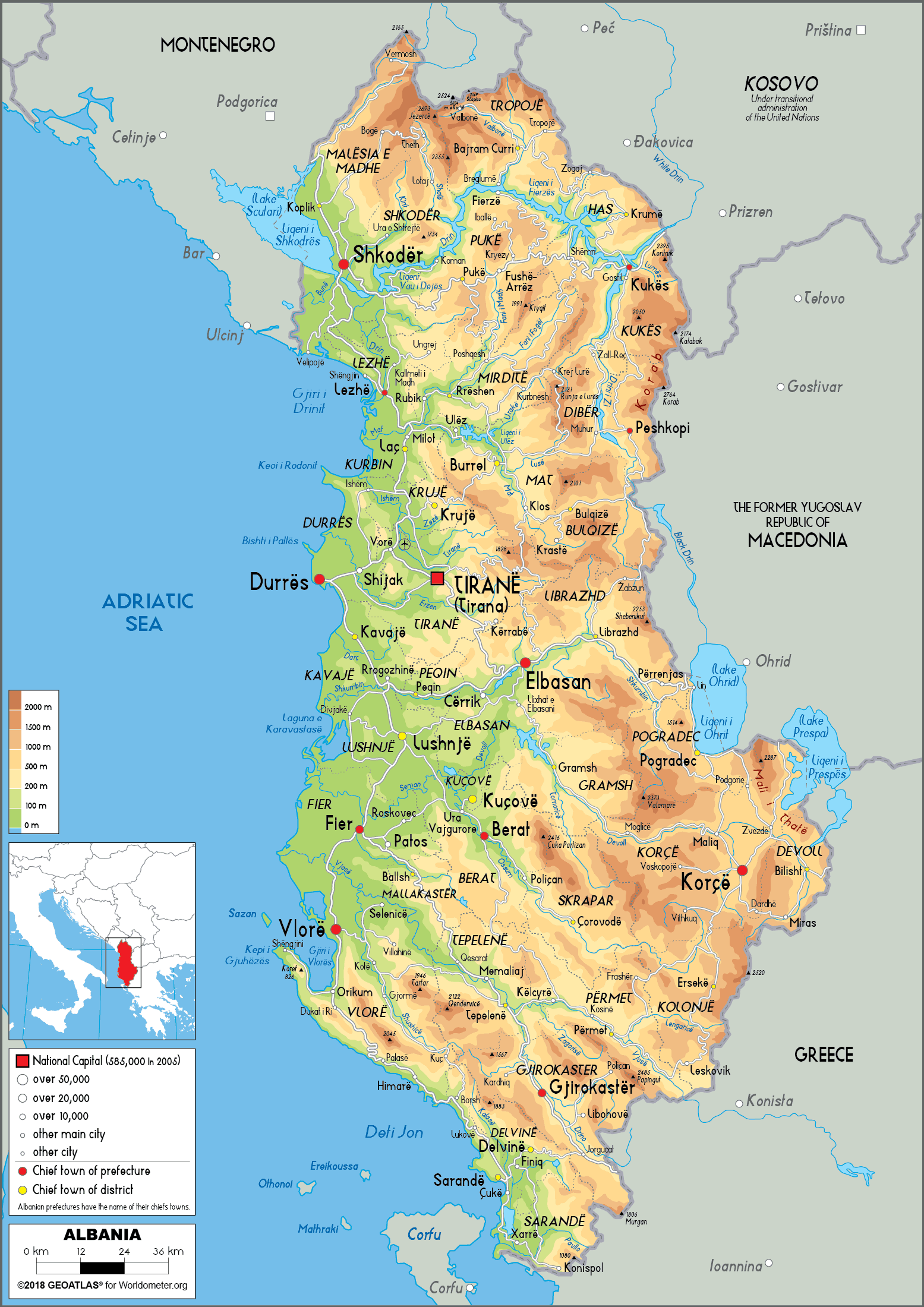
I don’t quite know what I expected Albania to be like but it certainly wasn’t Ferris wheels and fireworks. I had read that Saranda, our first port, was an Albanian seaside holiday destination, but even that had not really penetrated my consciousness. When we arrived we found that the beach was lined with deck chairs (Phil calls these drying racks) and umbrellas, just like the beaches in the Ionian Islands in Greece. There was an area off to the side of the bay where swimming lap lanes had been installed and this was very popular particularly with, shall we say, more senior people. Children squealed and laughed as they jumped and slid on a giant inflatable slide/water playground. Ferries arrived regularly from Corfu disgorging crowds of tourists several times a day. Speed boats and day tripping boats decorated as pirate ships zipped back and forth taking people to nearby destinations. At night, the bars were pumping with loud music. Anchoring here was a bit like camping in the middle of someone else’s non-stop summer party. It was nice to see families enjoying their holidays at the beach though, and most nights the music stopped by midnight.
Our agent, Jelja, was very helpful and check in was a fairly relaxed process. There was a delay getting our passports stamped due to some computer system issue and so we were even allowed to go ashore with our passports and come back later for the check in.
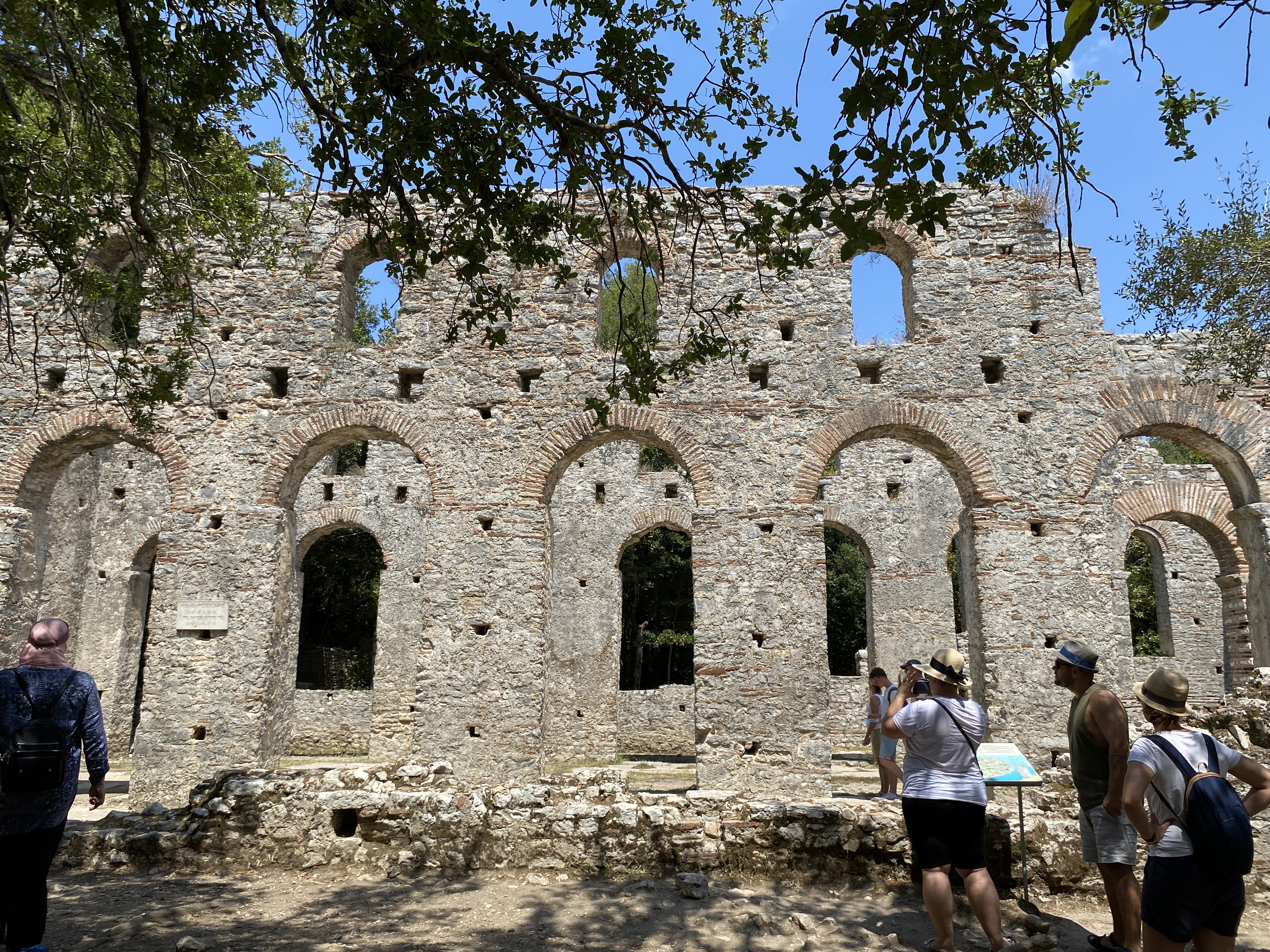
The ancient history of Albania is similar to that of other nearby European countries, in that the Romans, Byzantines, Normans, Venentians, Greeks and Ottomans were all there at one time or another. The Illyrian tribes, the ancestors of modern Albanians, established cities throughout Albania from about the 12th century BC until the middle of the 2nd century BC when the Romans gained control of the area, and the others followed. Evidence of these civilisations is scattered throughout Albania. We spent a lovely day at Butrint wandering through one of these ancient sites. It’s a beautiful site, much of it shaded by trees and home to many birds as there is a wetland nearby. It is a smaller settlement than some of the others we have visited in Turkey and Greece.
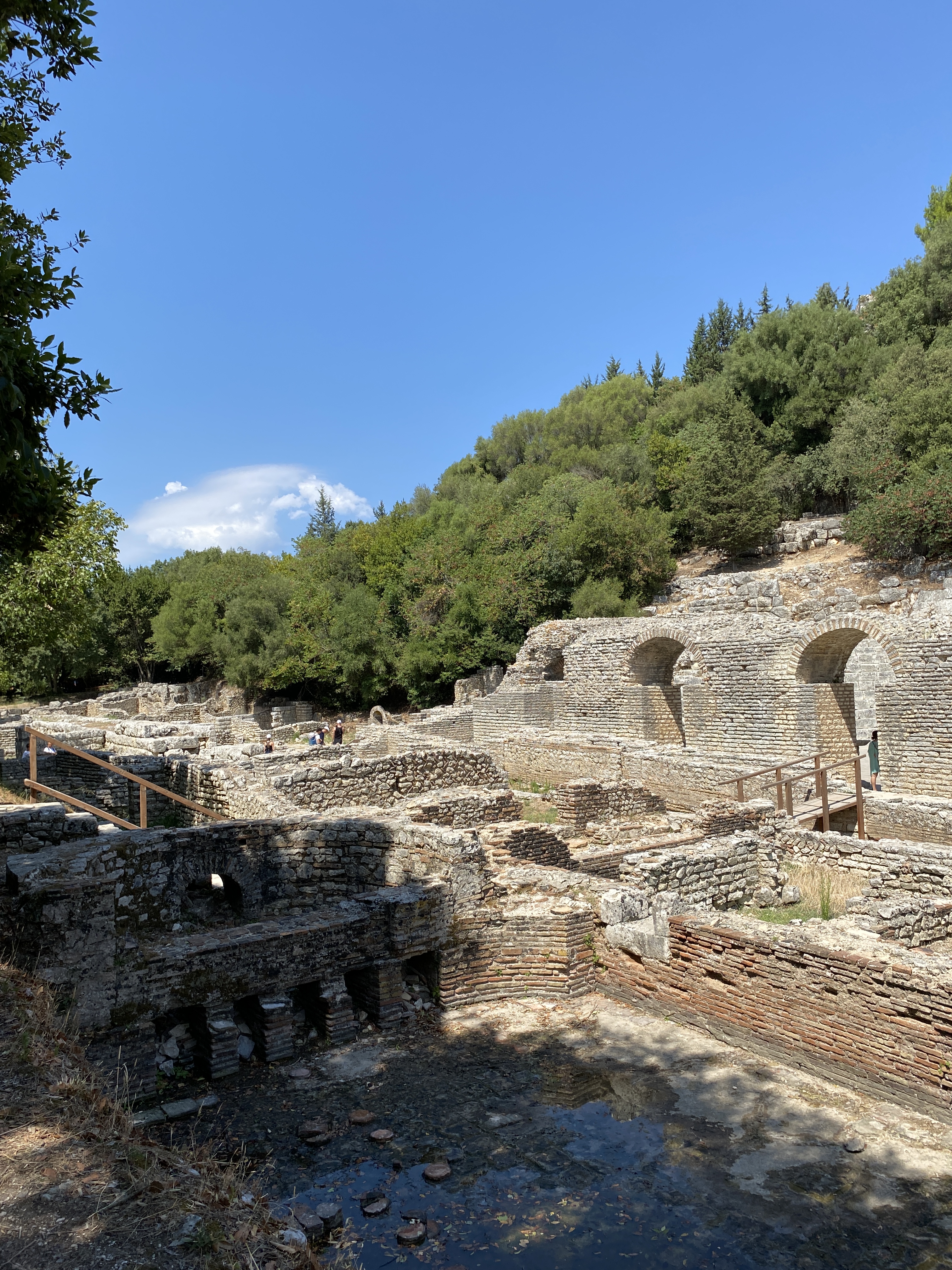
Legend has it that it was founded by exiles from Troy after its fall in the 13th century BC. Under Hellenistic influence, it became a cult centre dedicated to the worship of Asclepius, the god of medicine. An interesting point for me was that when under Greek rule, the women here were allowed to own and release slaves in their own right and to also inherit their husband’s property, unlike their sisters in classical Greece. The Romans too stamped their style here with the construction of forums, theatres, baths, and eventually Christian churches.
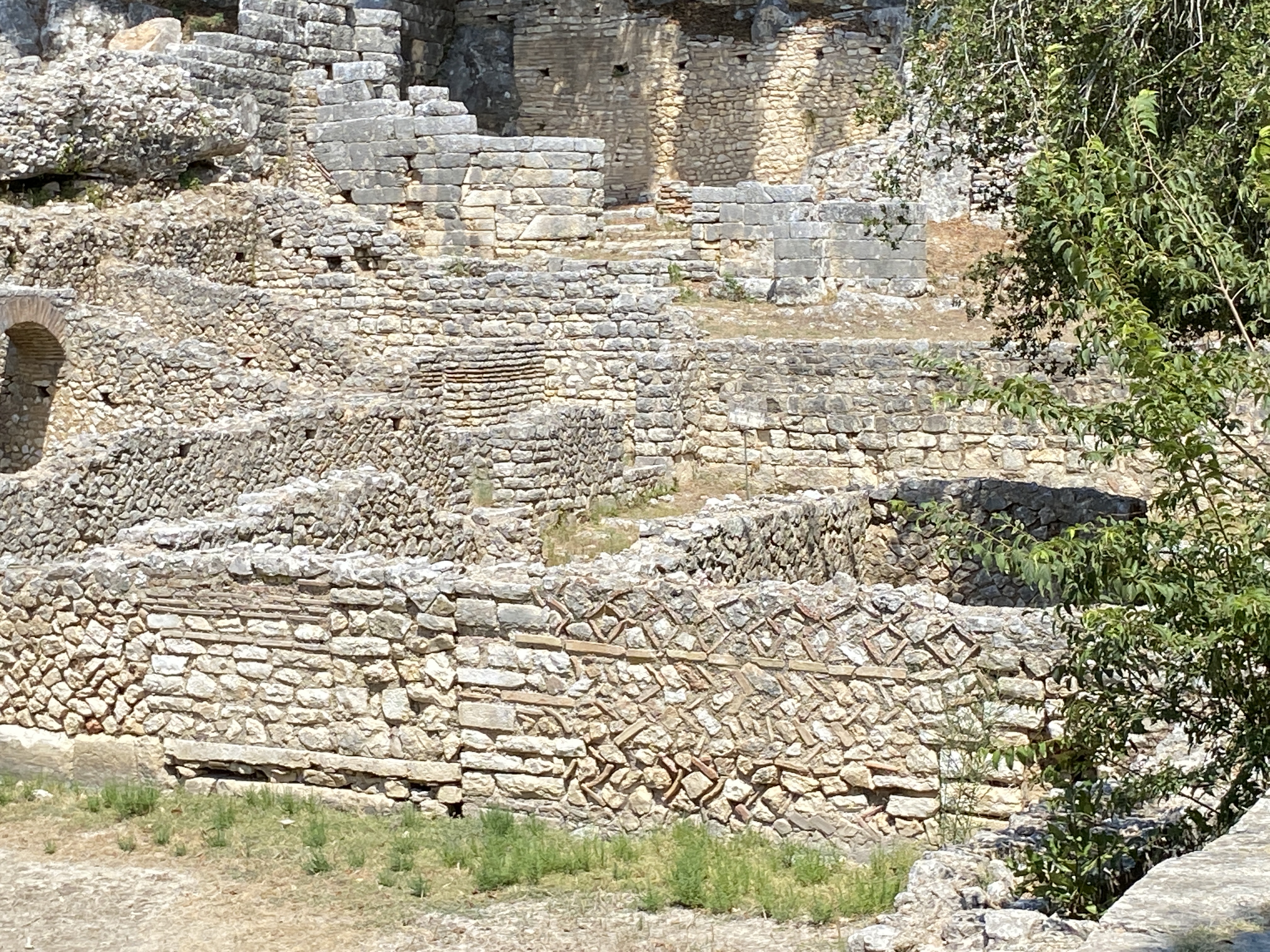
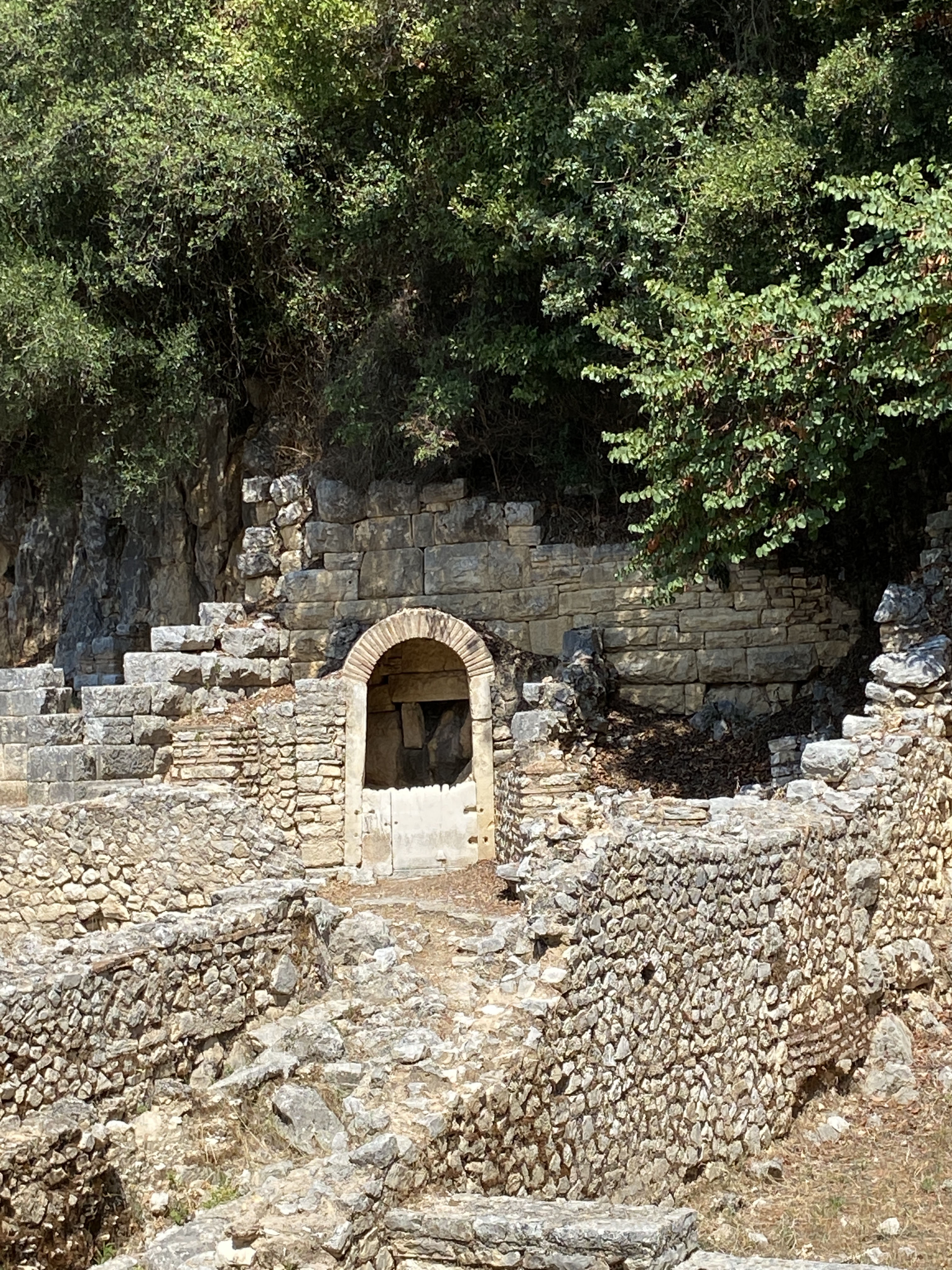
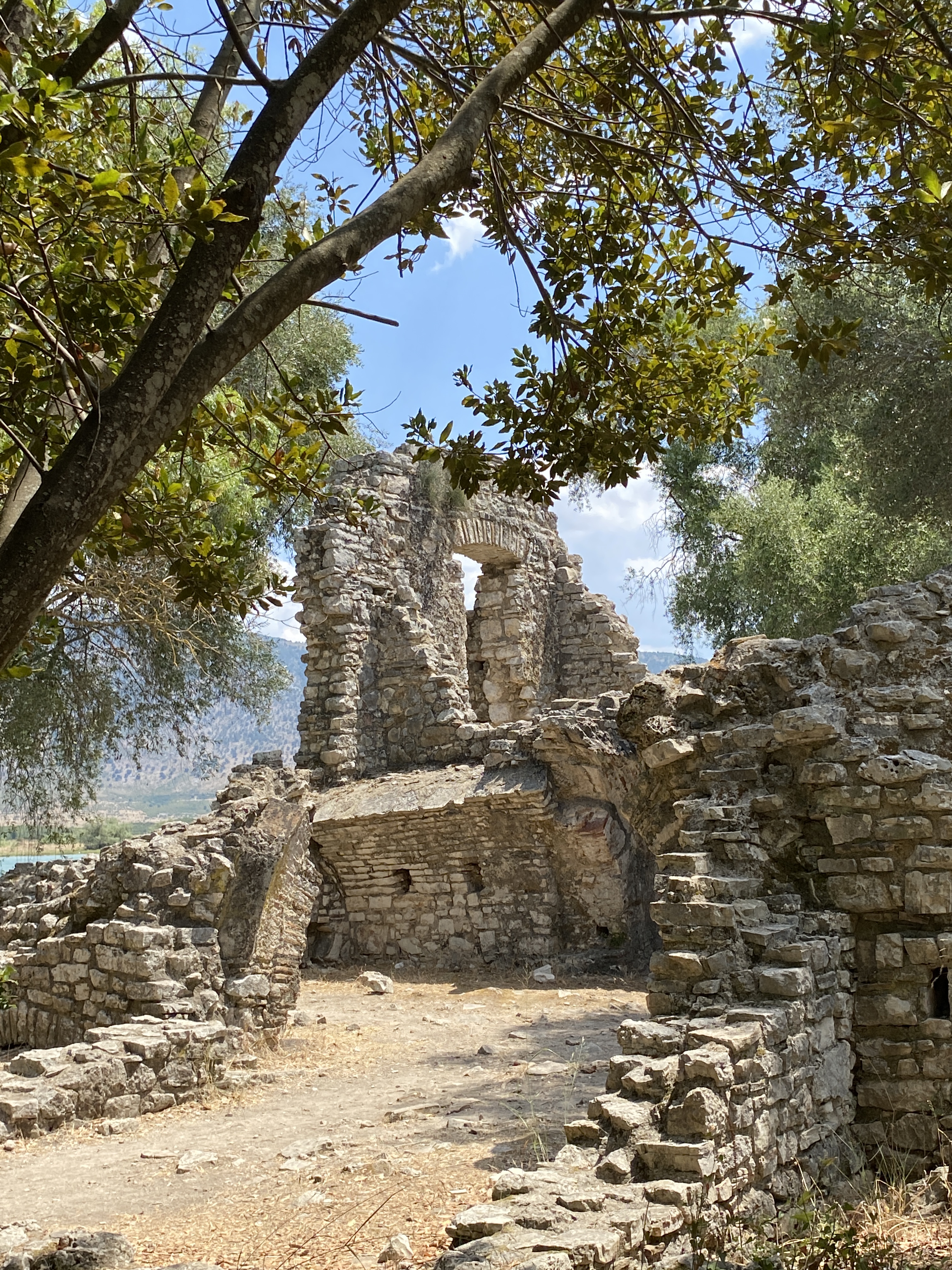
In the 19th century, Butrint came under the influence of Ali Pasha, an Albanian ruler who was appointed by the Ottomans to administer part of their empire in Albania. He built a castle nearby to Butrint, which we didn’t visit.
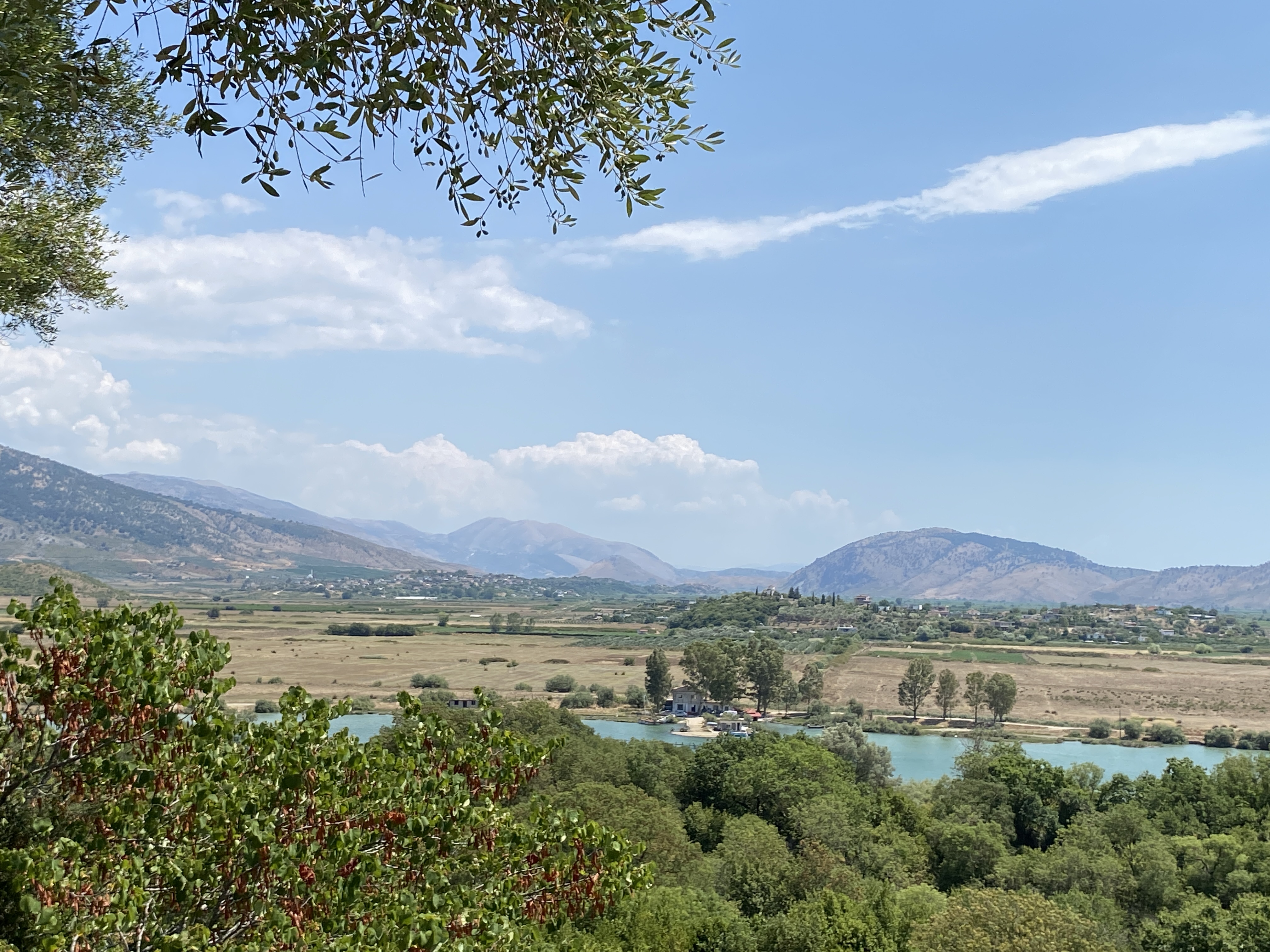
We did however, visit another of Ali Pasha’s castles at Porto Palermo. Apparently, he built a series of castles to control and fortify the Ionian coast from Vlora (in modern Albania) to Butrint. The castle at Porto Palermo is in quite good condition. It must have been very dark, though, even during the day as there are few windows. It is still used today as a venue for concerts.
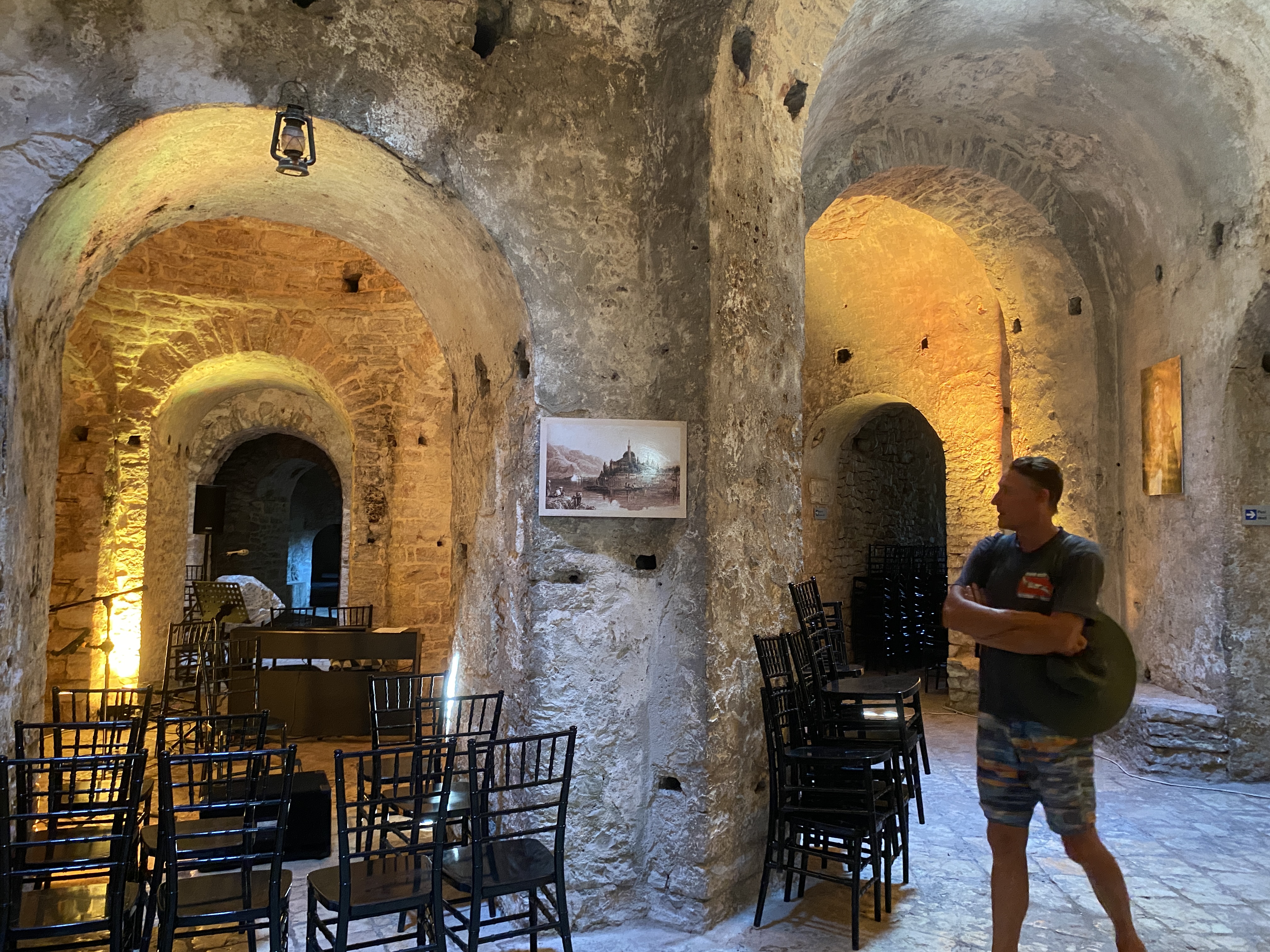
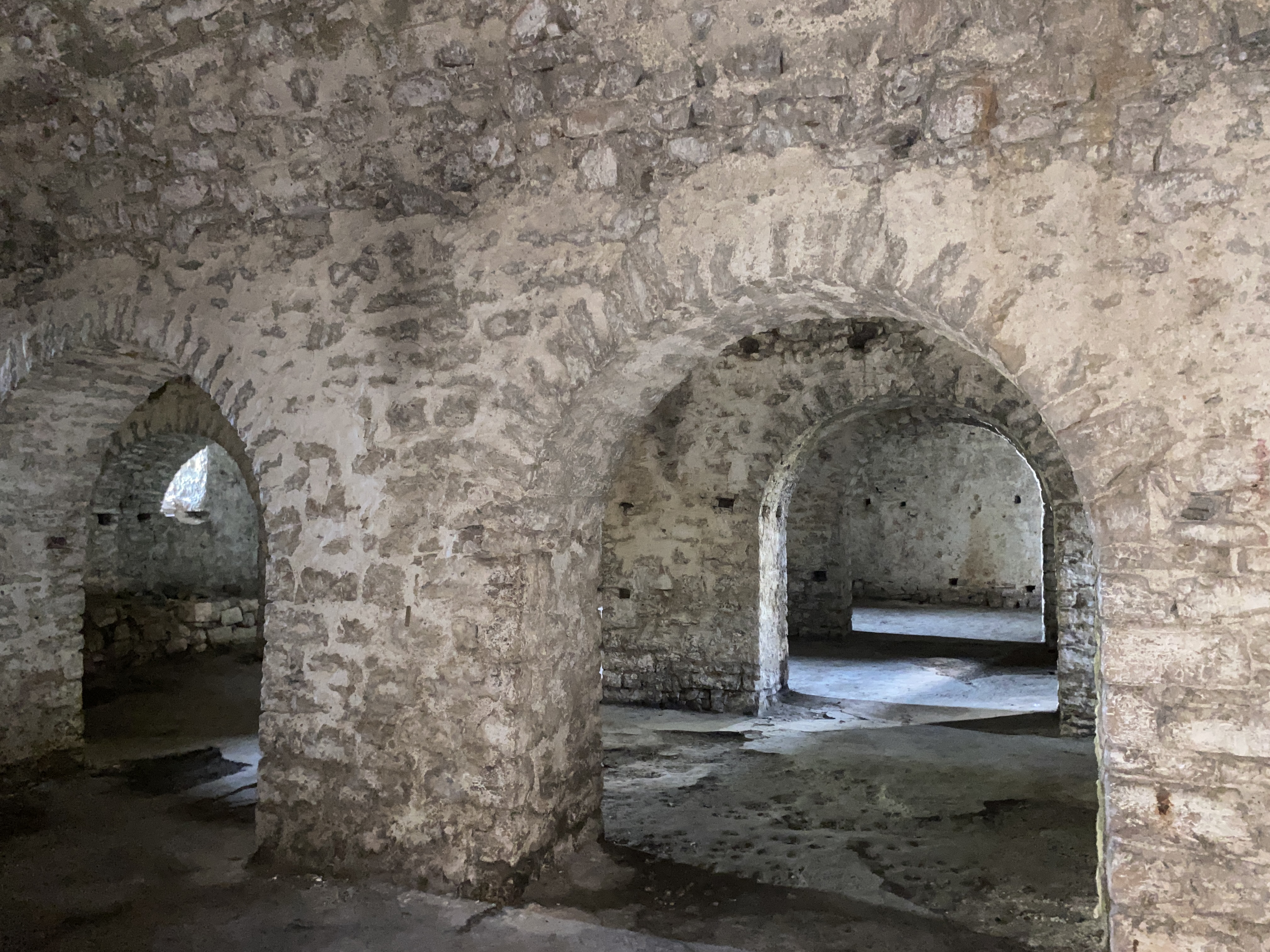
There was a concert scheduled for the second night we were at Porto Palermo, but unfortunately we didn’t go as we were concerned about the potential for katabatic winds, for which this anchorage is well known. We had been told by others in the anchorage that these typically vicious winds, which occur when heat radiating from high lands is cooled in the evenings and blows down a slope, arise every night at 8pm on the button. We were sceptical but sure enough on that first night at 8pm there was a puff of wind followed immediately by a blast of wind which blew for a few hours, getting up to 30 knots.
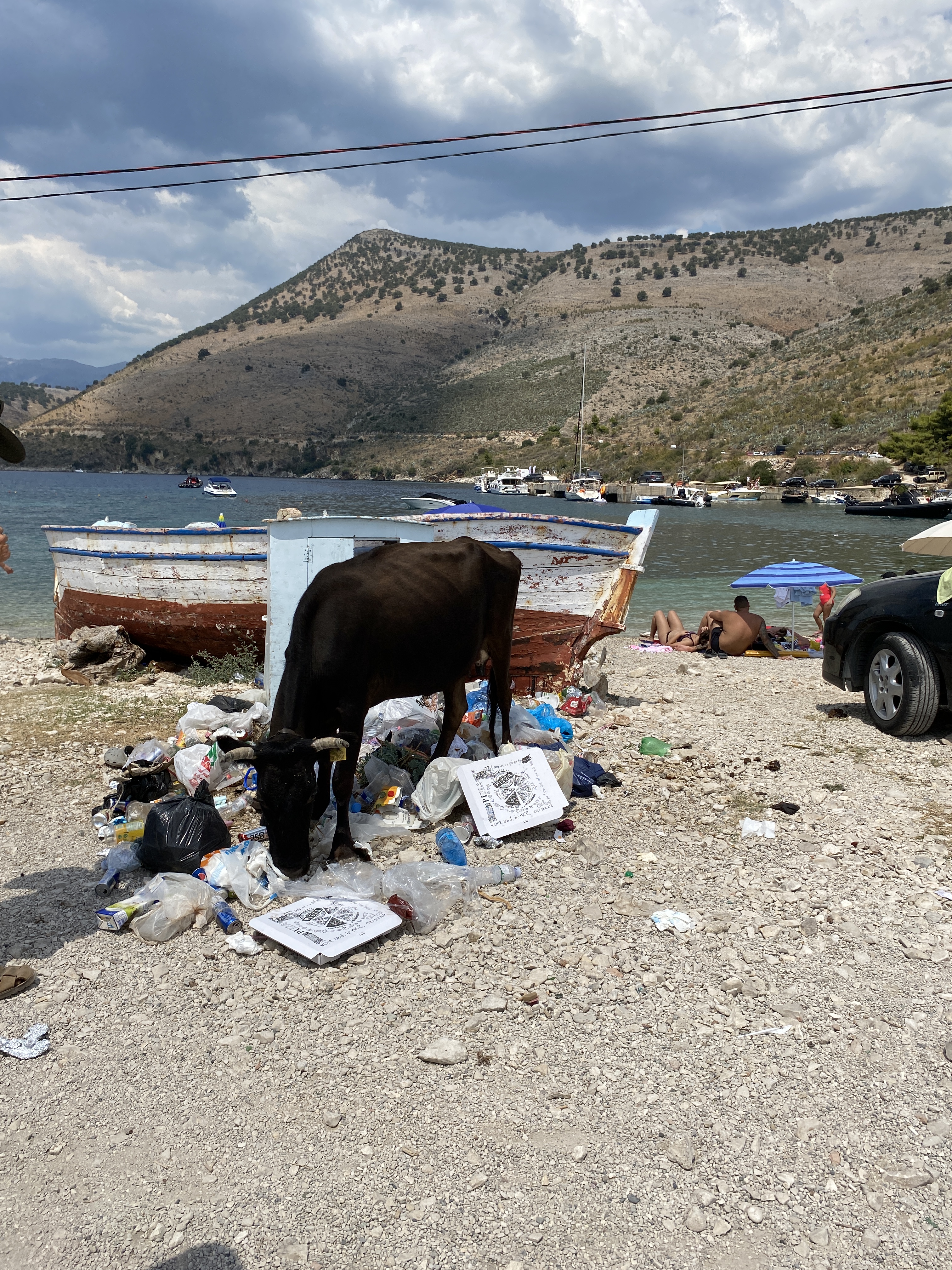
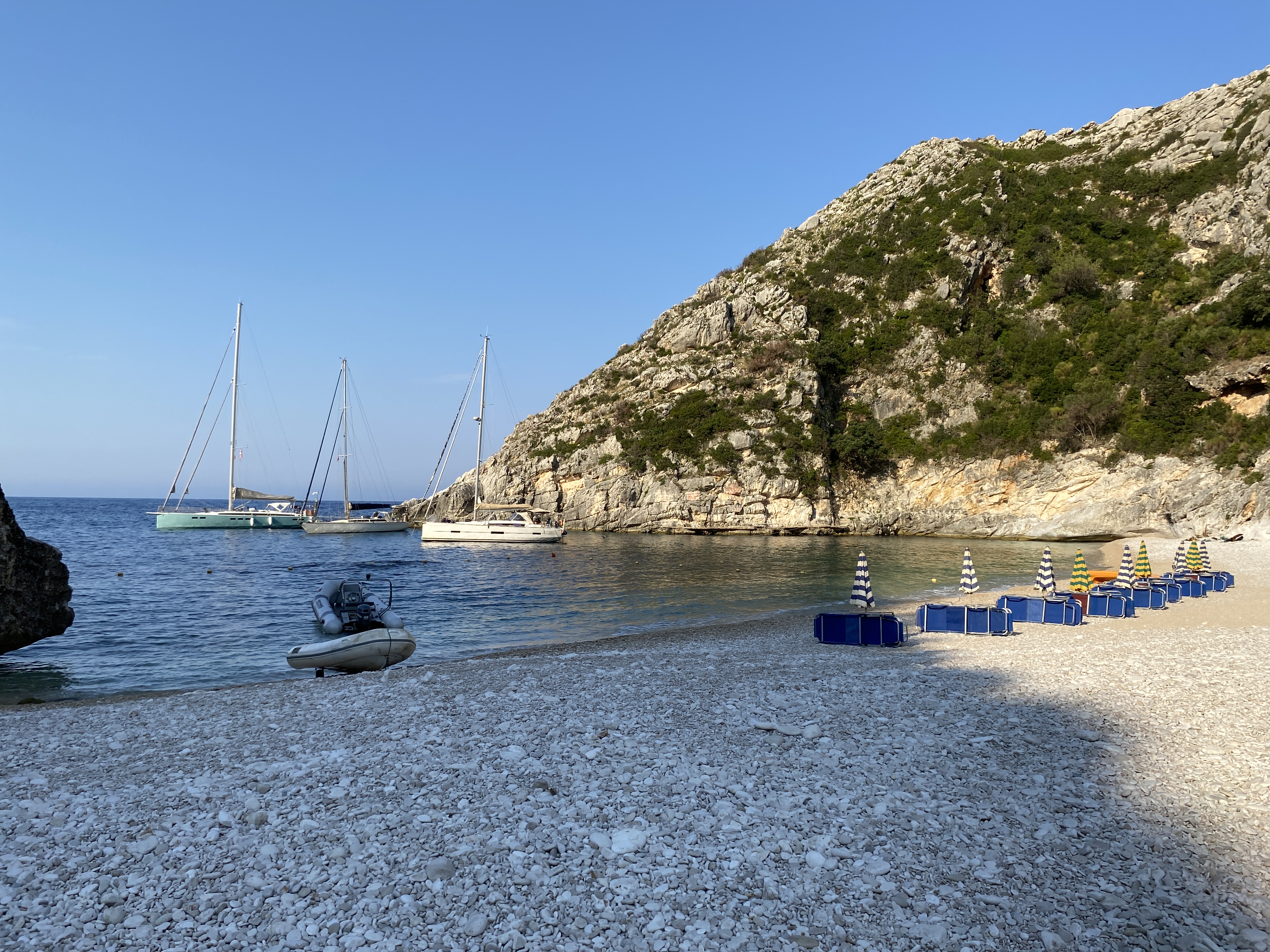
We experienced this kind of wind again in Grama Bay, but thankfully it was not very strong, especially as this is not a very secure anchorage. It’s a beautiful bay surrounding by high rocky walls but the bottom is also rocky so the holding is not good. It’s relatively narrow so there is no room to anchor in the middle and swing. We had to drop the anchor, close to a rocky reef in front of us, and then tie a long line to the rocks behind us. That’s the sort of situation in which you want to be sure the anchor is going to hold! There was only room for us and the two other boats in there. We held our breath the next morning as we inched slowly forward to pick up the anchor, and breathed a sigh of relief when it came up without getting stuck. Our friends on Indinini were not so lucky – their anchor got stuck on a rock, and Dennis had to dive to free it.
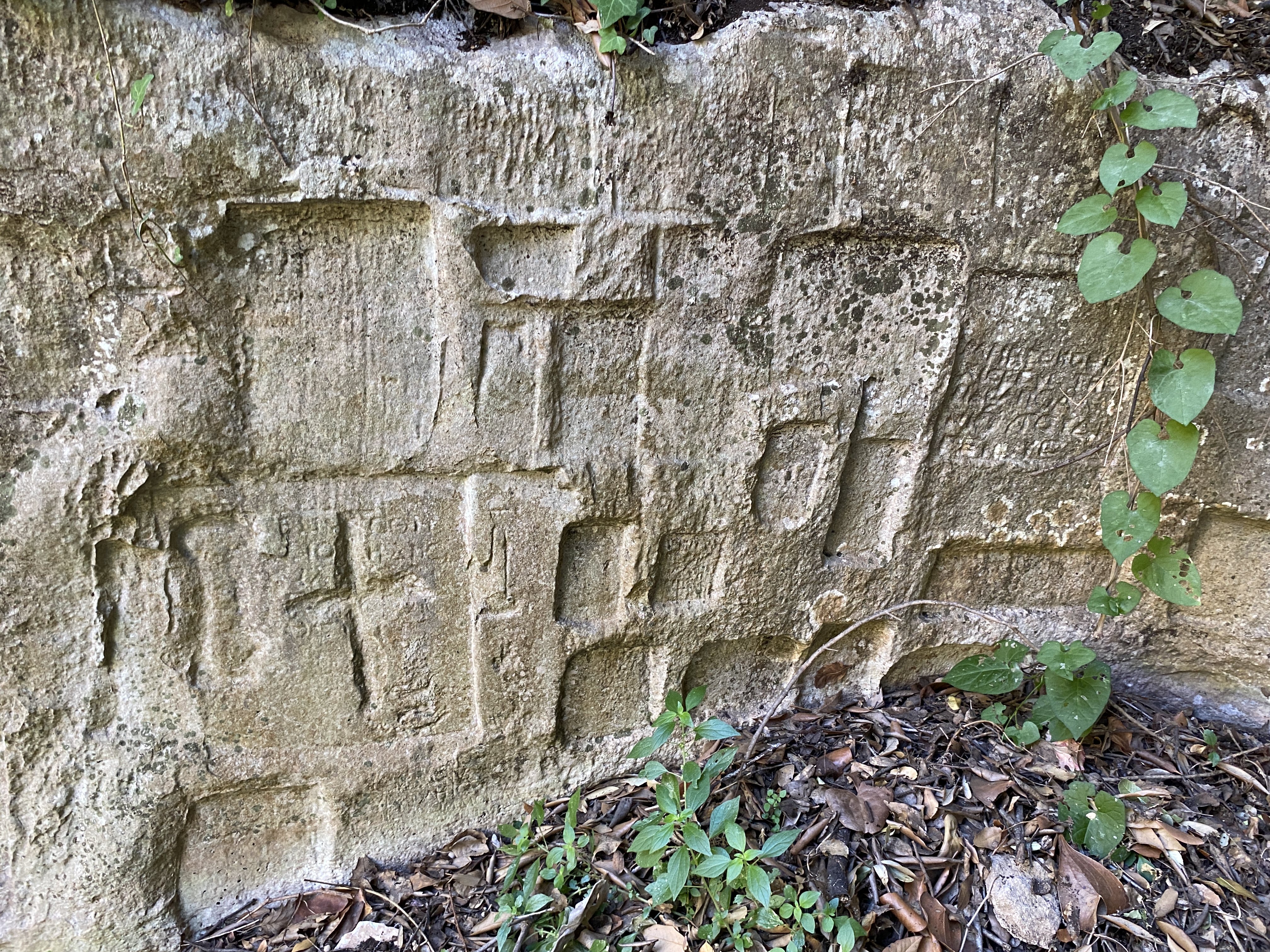
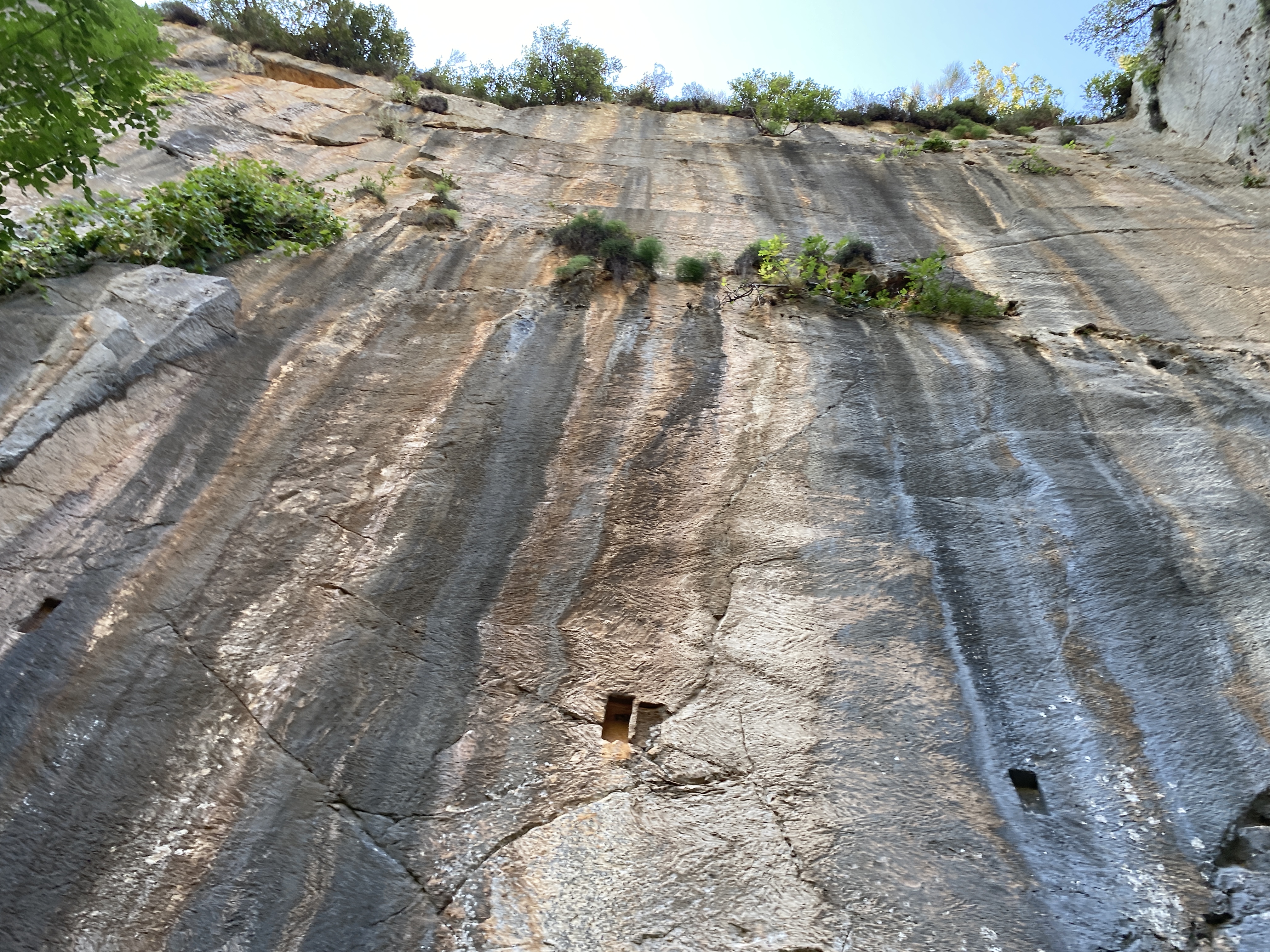
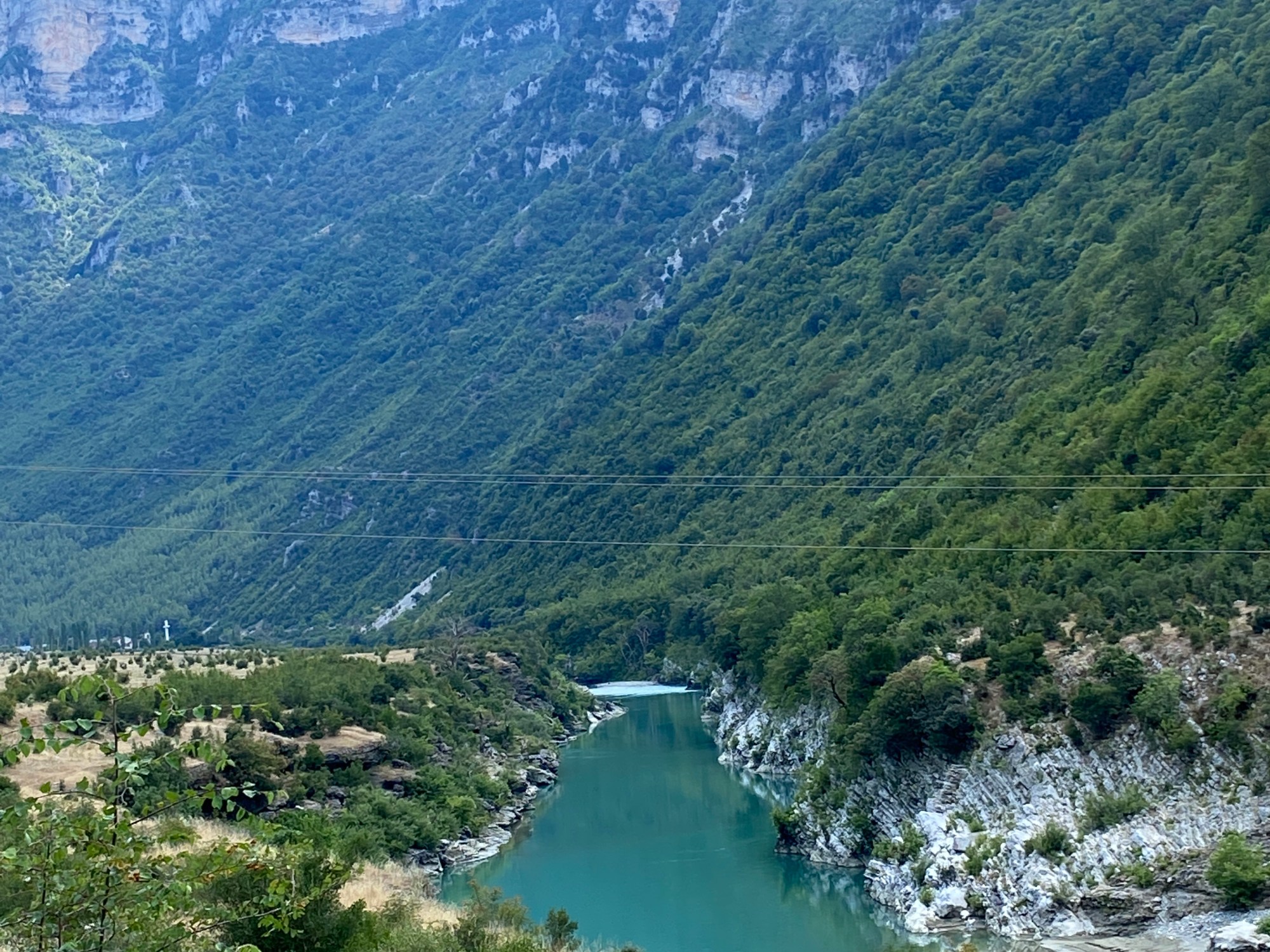
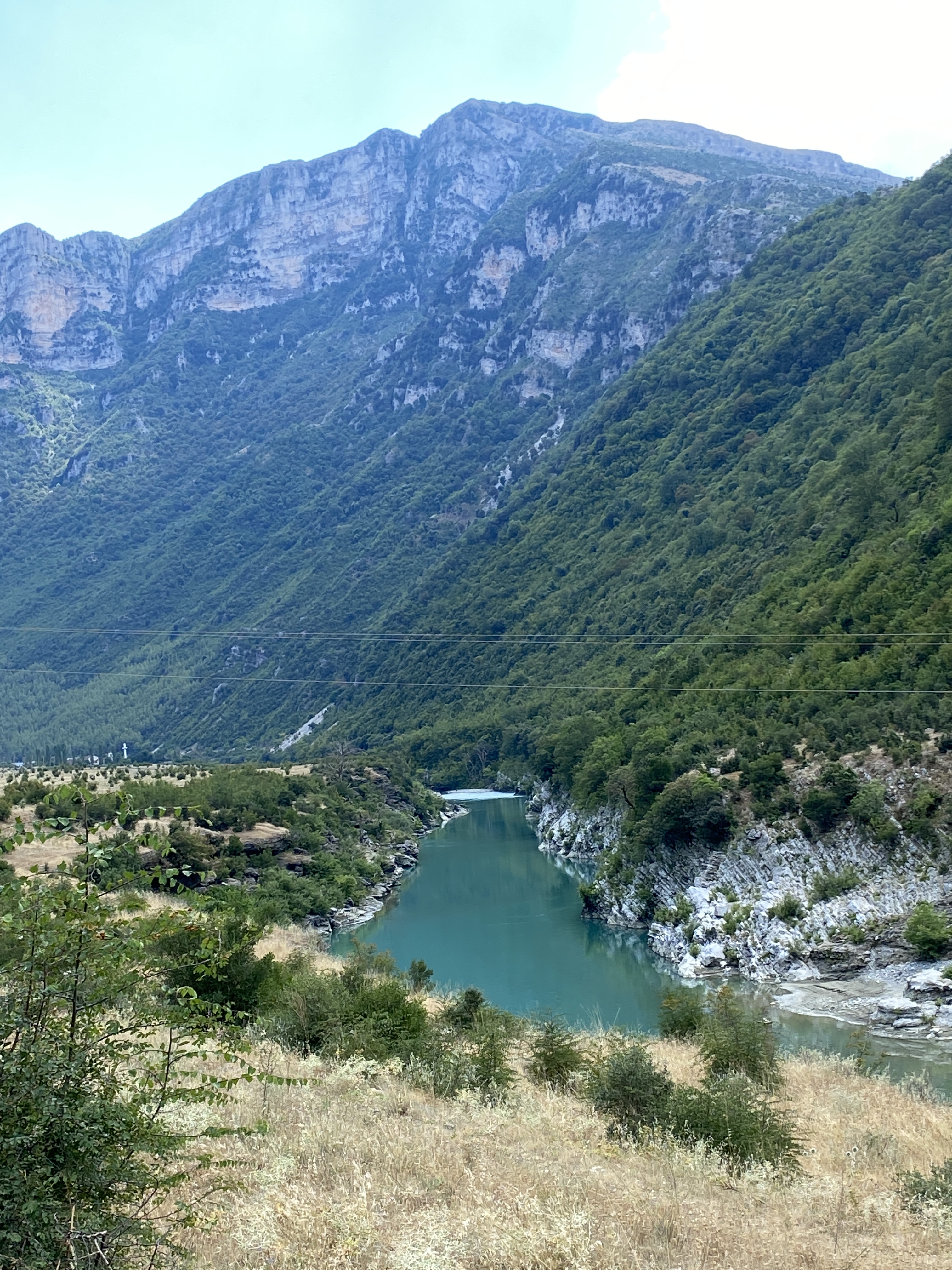
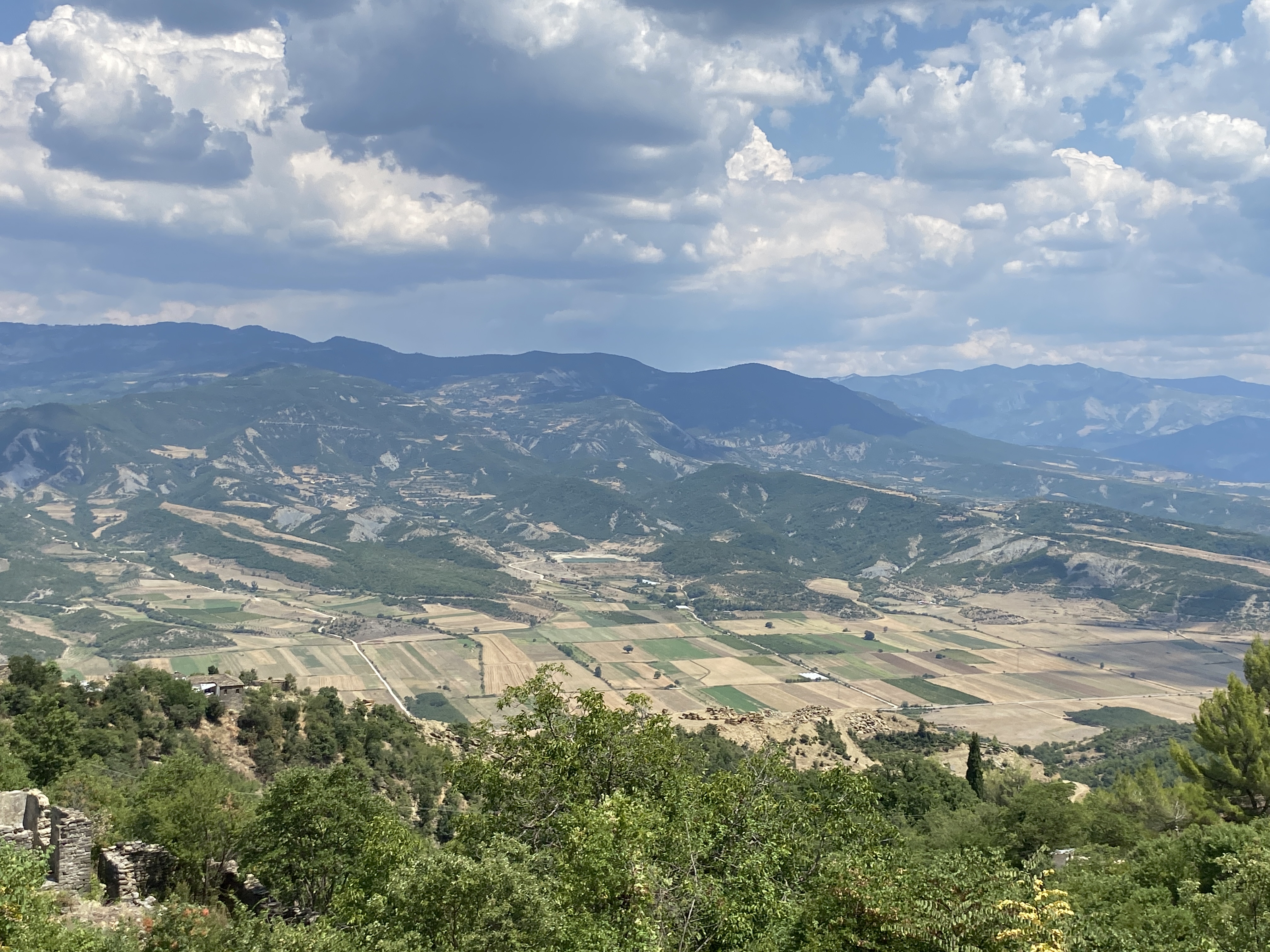
The historic town of Gjirocaster had been highly recommended by other yachties as worthy of a visit so, along with our friends from Anthem, we made arrangements to leave the boats safely in Saranda harbour and hired a car for a couple of days. The drive from Saranda took us through some spectacular country – impossibly steep mountains, beautiful green forests, lush valleys, and rivers.
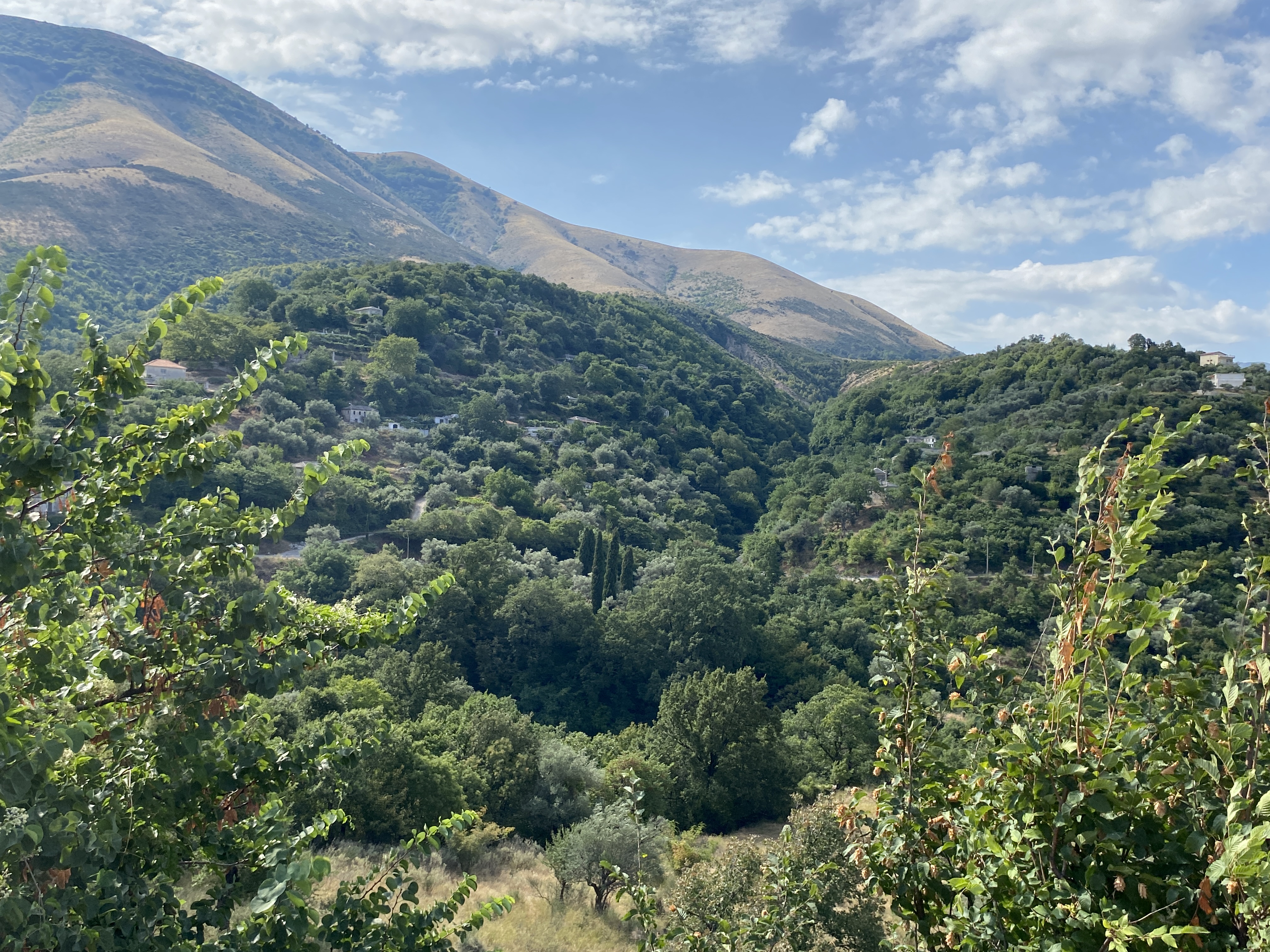
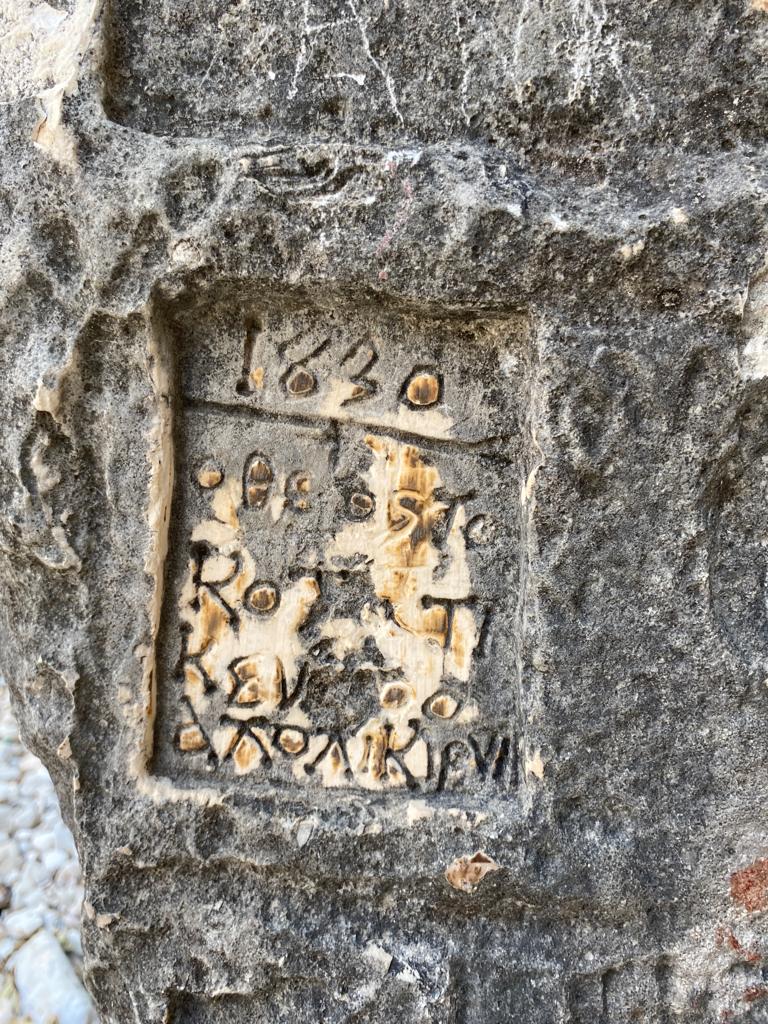
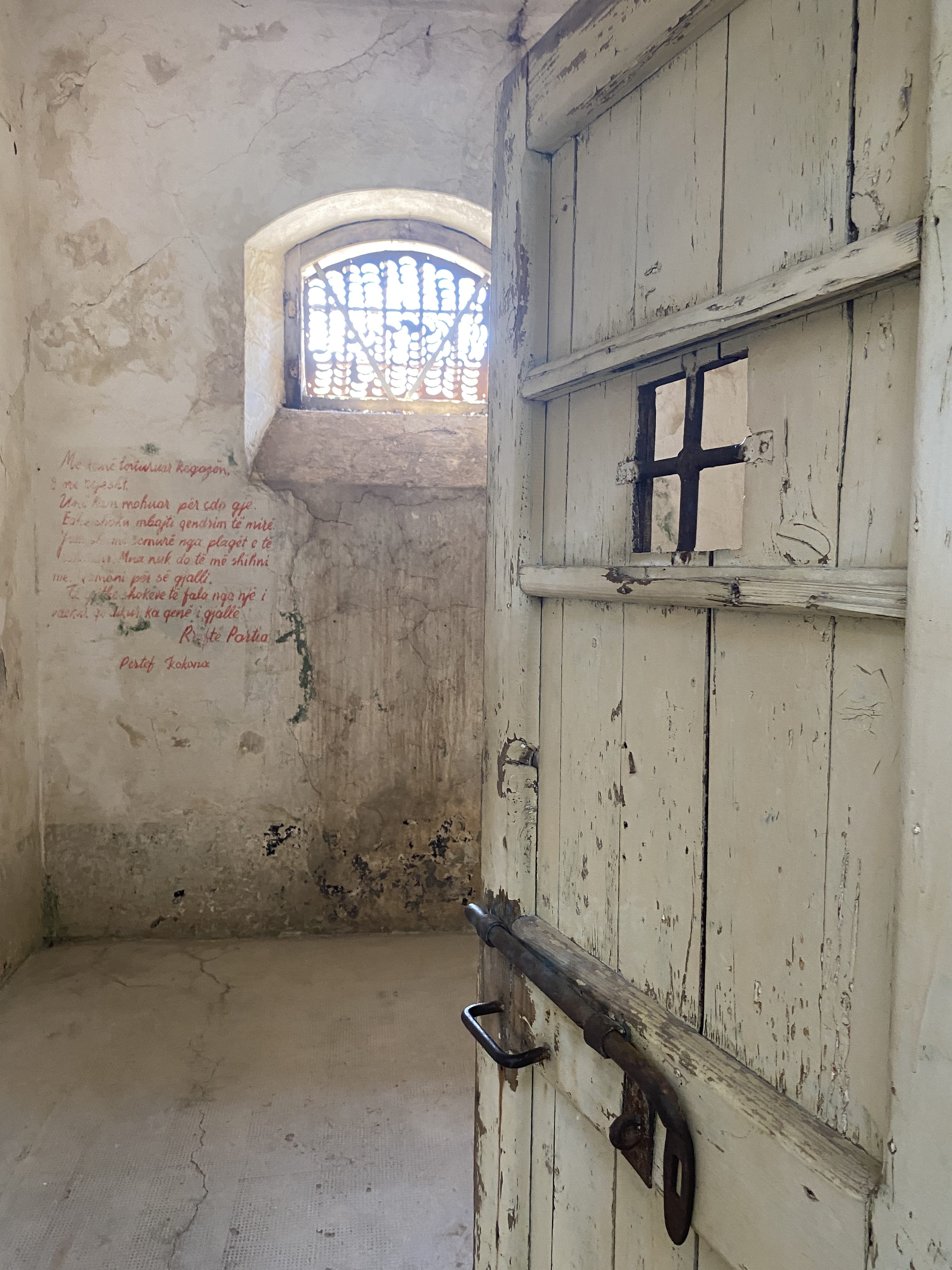
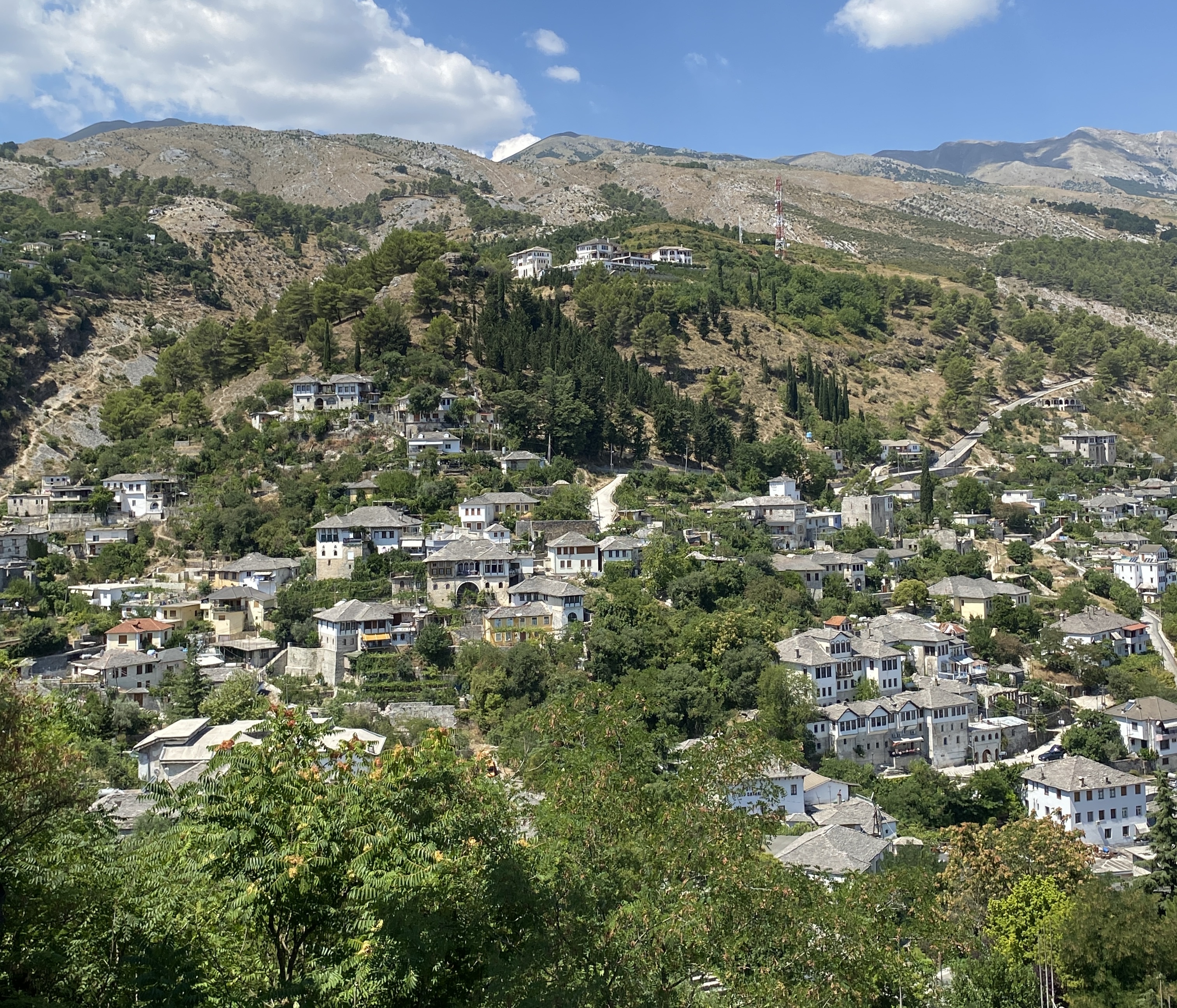
Gjirocaster is located in south east Albania 300 metres above sea level in a valley between two dramatic mountain ranges. The ancient city of Hadrianopolis was built in this valley but eventually abandoned around 5th-6th Century due to frequent flooding, and the residents gradually drifted up the mountain to create the township and fortification of Gjirocaster. It was in the hands of Albanian rulers until the Ottomans gained control of the city in 1418. The deposed Albanian rulers tried twice to re-take the city but it remained under Ottoman control, growing to 15,000 inhabitants and becoming a successful trading centre. It was part of the Ottoman empire controlled by Ali Pasha until the Sultan “dealt” with the growing threat of Ali Pasha’s increasing power and dominance by having him killed. Gjirocaster was occupied by foreign armies during both world wars and the castle was used as a prison and bomb shelter. The Albanian Communist regime also used the castle as a prison, and there is a dedication at the entrance to those “anti-communist martyrs” who were imprisoned, tortured and died here.
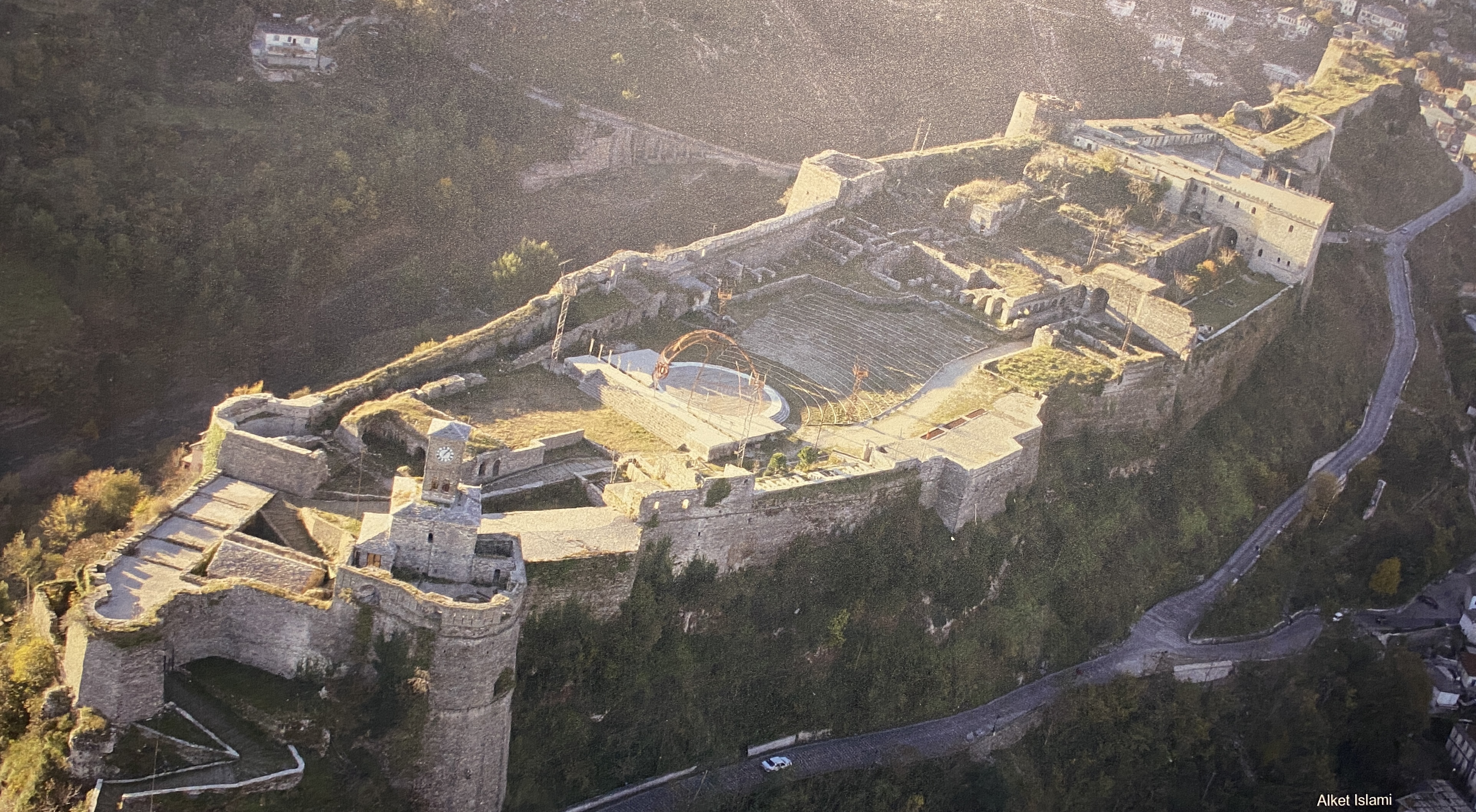
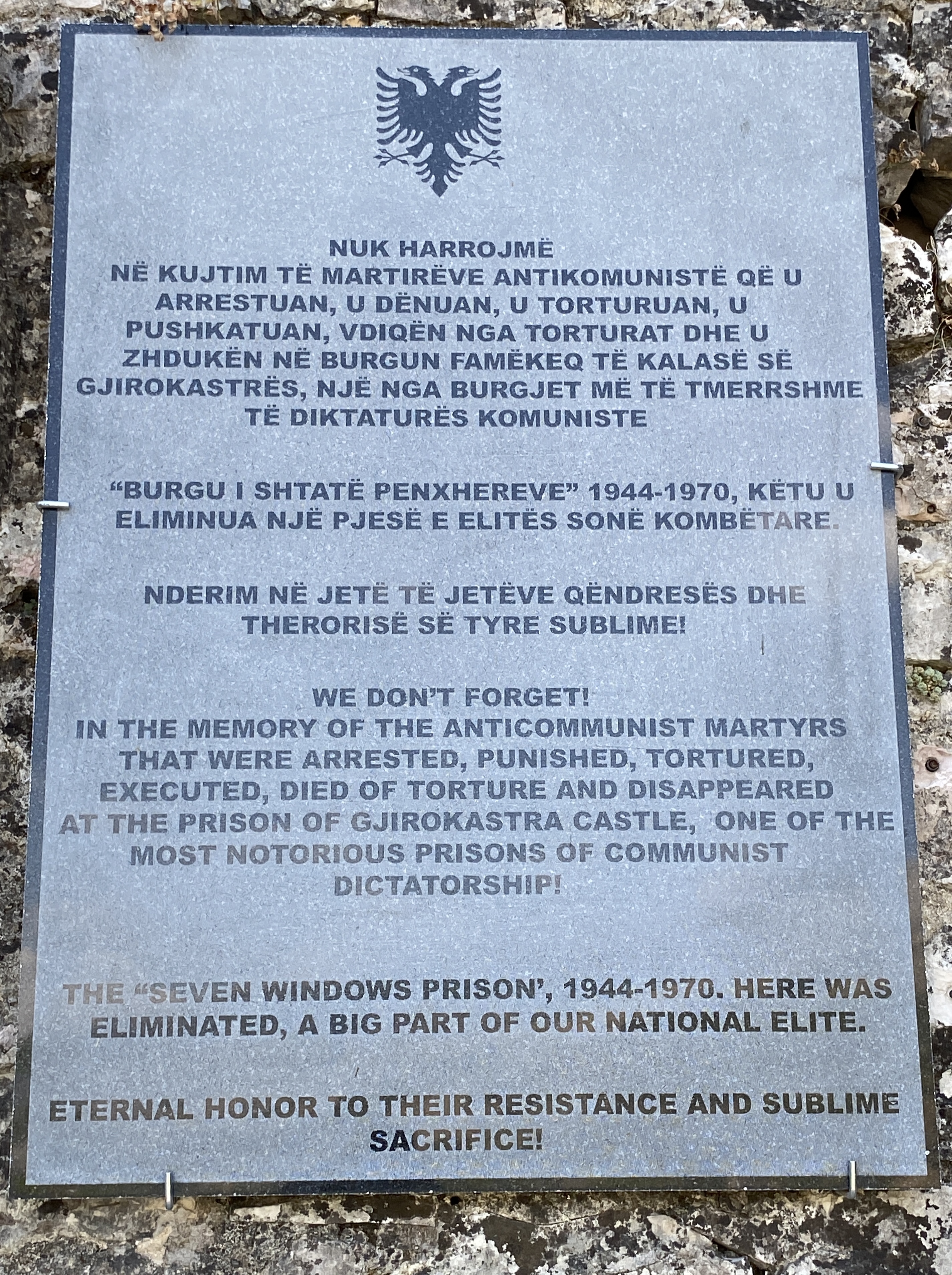
Dedication at Gjirocaster castle
While in Gjirocaster, we visited the traditional house of the Skenduli family, built in 1823. While each of these houses have common architectural features, it seems that no two are exactly alike. The houses are multi-storied and the ground floor was reserved for the animals and storage and had a cistern into which water was piped from the roof. The wealth of the family could be inferred from the size of the cistern and also the number of fireplaces. The upper floors were the living quarters.
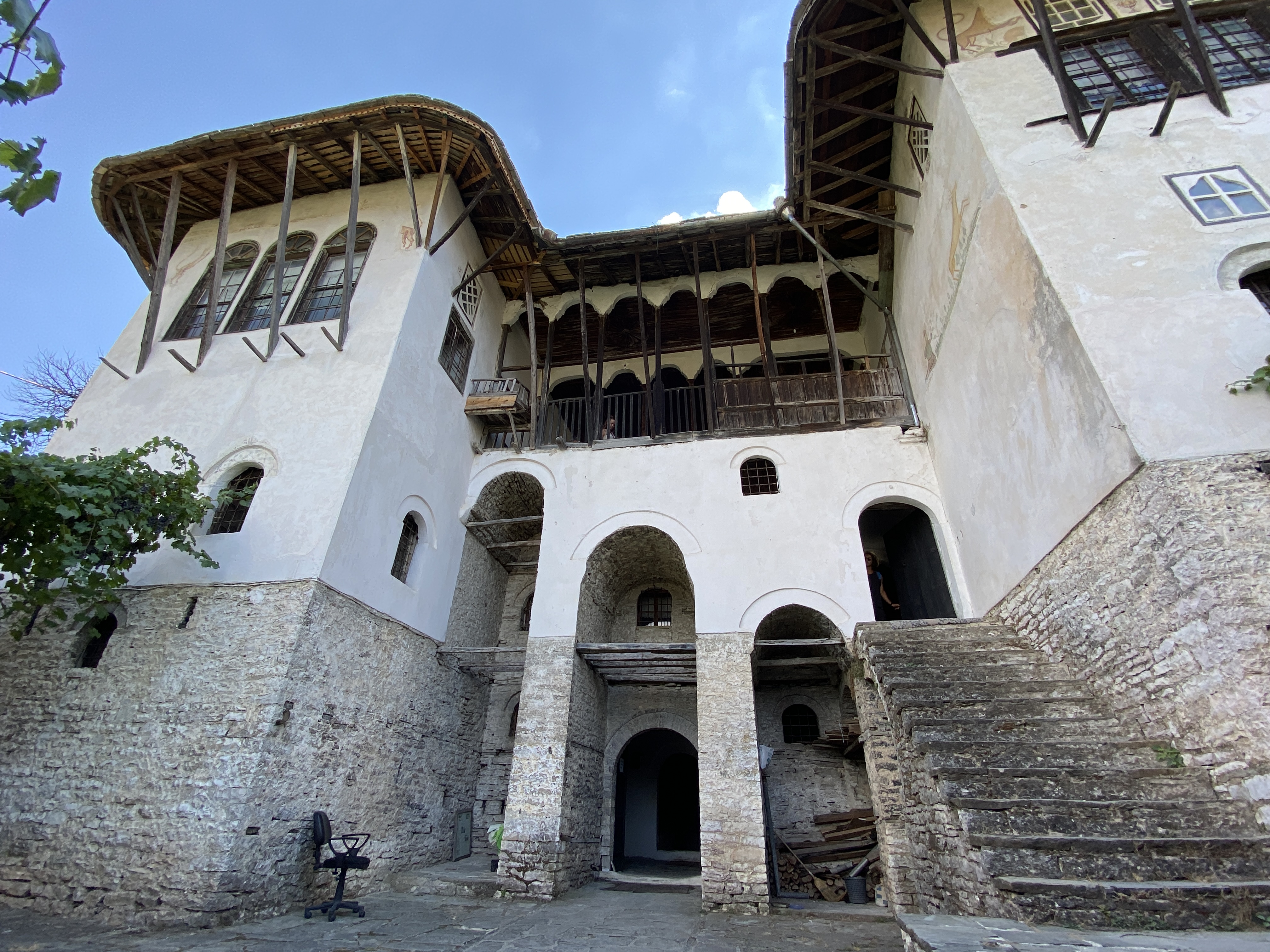
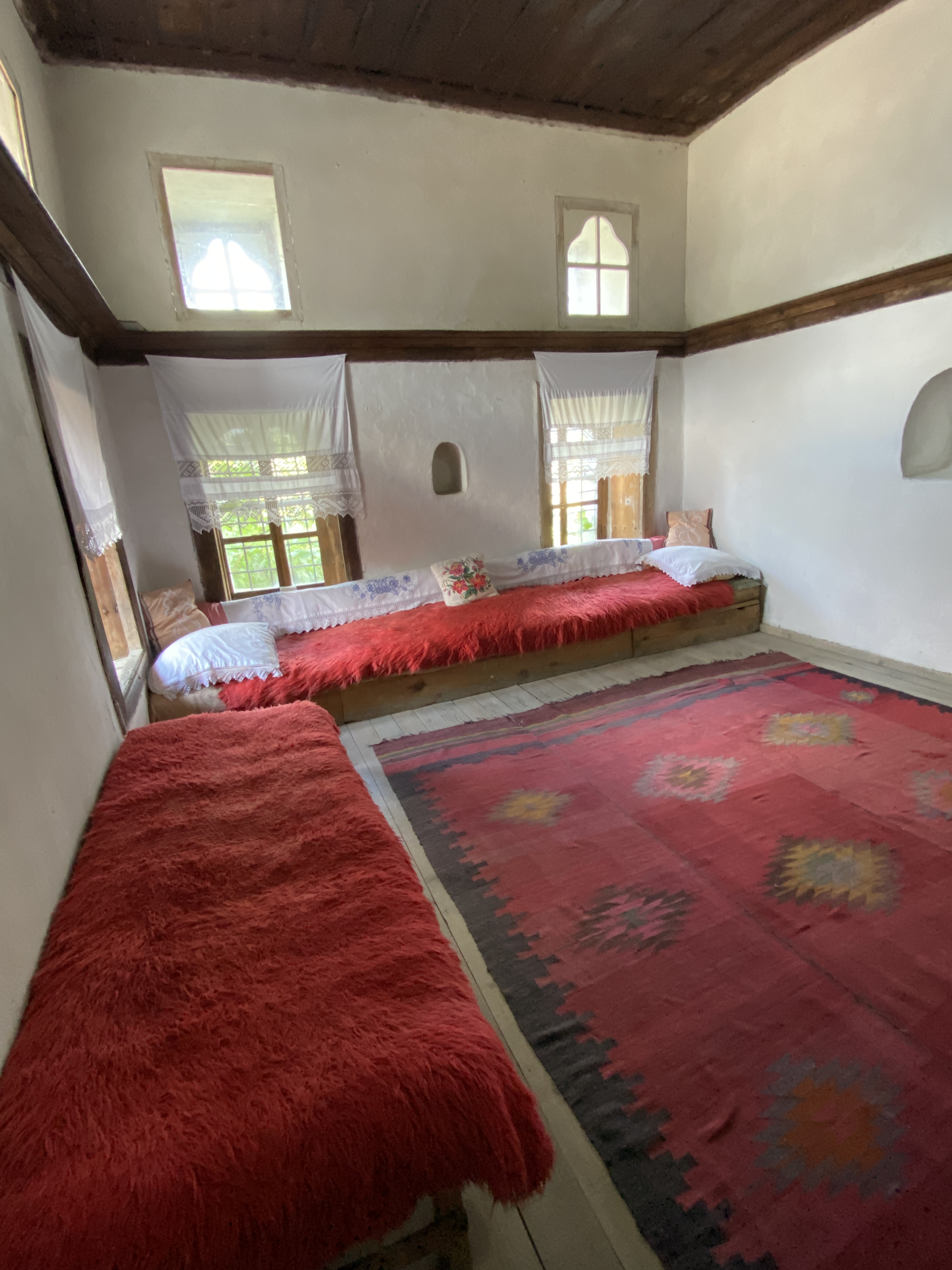
Skenduli house had a large living room, in which it seems family members also slept. There were separate sleeping quarters for the most newly wed couple, and also one for the oldest family members.
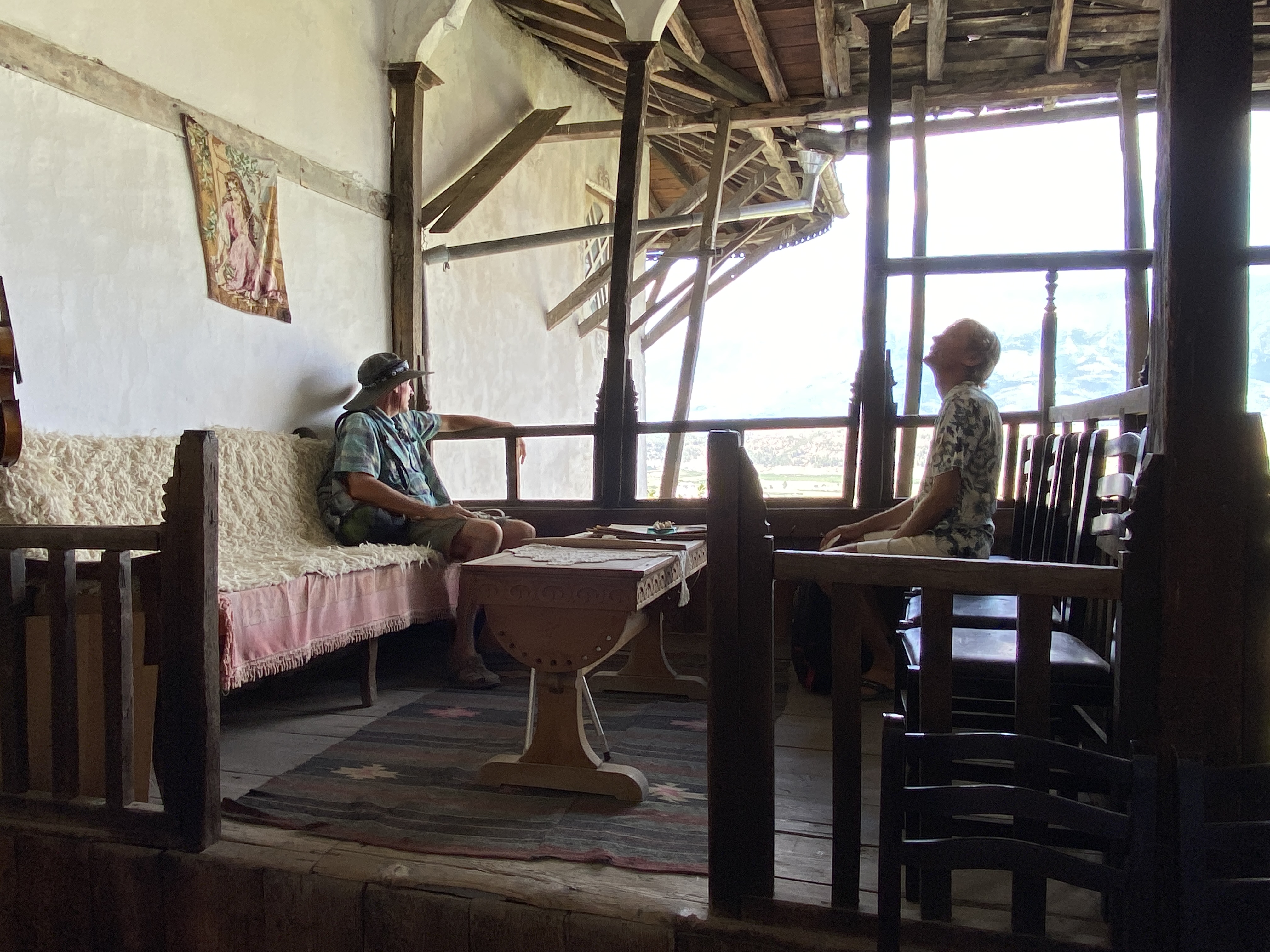
The summer living area had large open windows and great views. It included an elevated platform with comfortable seats where the male family members would sit and read the papers while served coffee by the women.
There was a separate room that was used only for weddings and this was the most ornately decorated (no photos allowed in here). The house was commandeered by the communist government and used as a museum but was eventually returned to the family who restored it, but they no longer use it as a residence. The young family member who showed us through the house was at pains to tell us that millions of lek had been spent on reconstructing and renovating the former house of Ismail Kadare (the most famous Albanian author) while they had not received any financial support for renovations. In preparation for our Albanian trip, I had been reading Kadare’s semi-autobiograhical novel, “Chronicle in Stone” which is set during Kadare’s childhood in Gjirocaster during World War II. It was not one of the most enjoyable books I have read, but once I got to Albania, and to Gjirocaster in particular, I appreciated the insight that it gave me into the lives of ordinary people during that period of Albania’s history.
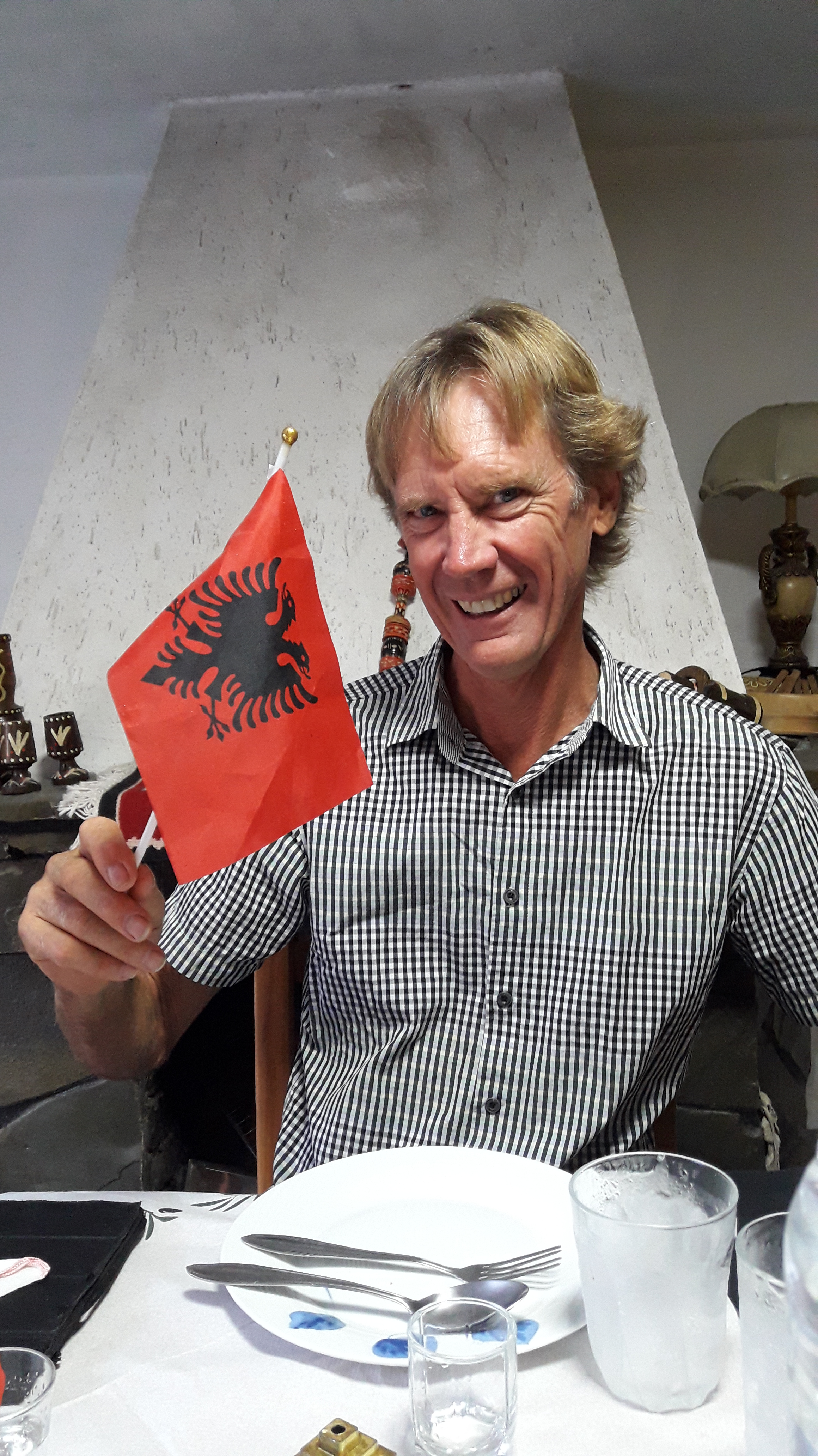
Having spent the day exploring Gjirocaster on foot, it was time to find our accommodation for the night. Driving through the extraordinarily steep and narrow streets was an adventure itself! Thank goodness our friend Adrian likes driving and finds those kinds of conditions challenging rather than daunting. Round and round we went until we eventually found the right route to get to our guest house run by a lovely Albanian family. That night we dined in their restaurant near the guest house and were treated like royalty. In addition to our meal (which was incredibly cheap), we were each given a small gift (an Albanian flag for the guys, and a handkerchief for the girls), and a complimentary ice cream. We had a hoot chatting to the two teenage guys working there as their English was very good, and the older woman who was waiting on our table took a real shine to Adrian.
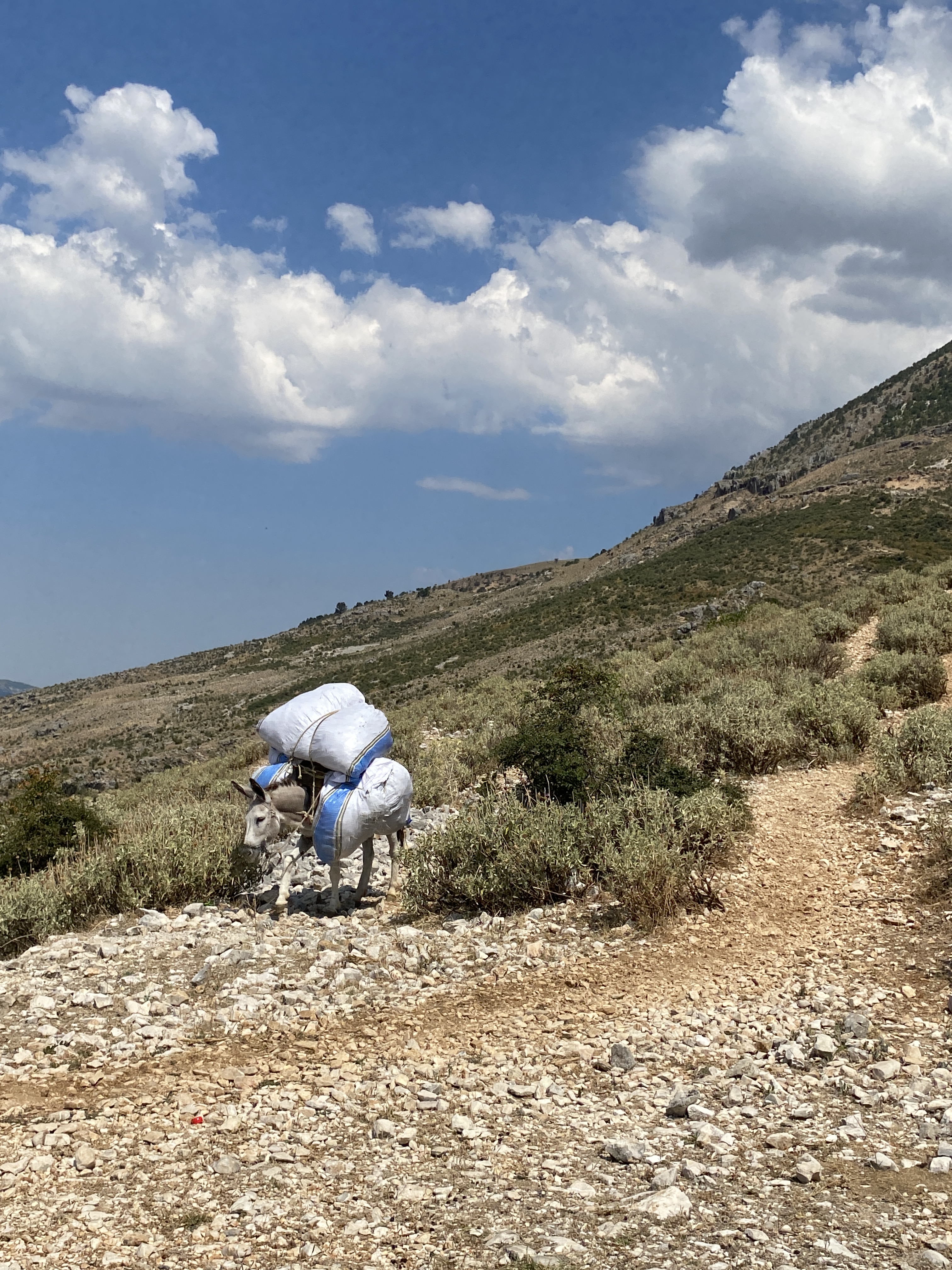
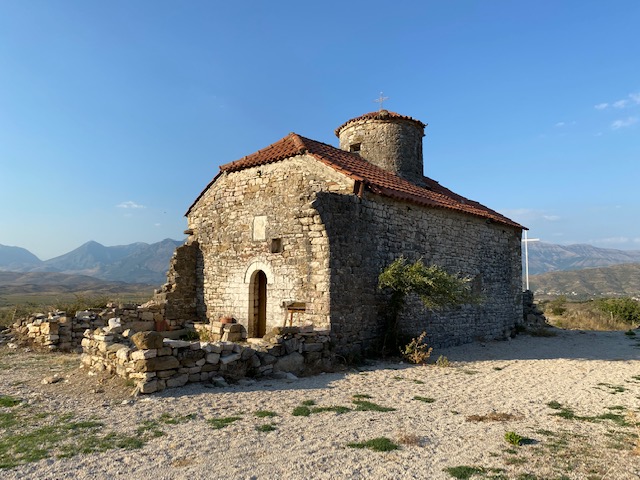
We took the long way back to Saranda the next day, wending our way through beautiful green valleys nestled between very high dramatic mountains. We detoured down small side tracks, visited isolated churches, drove through small towns, and stopped many times to admire the view.
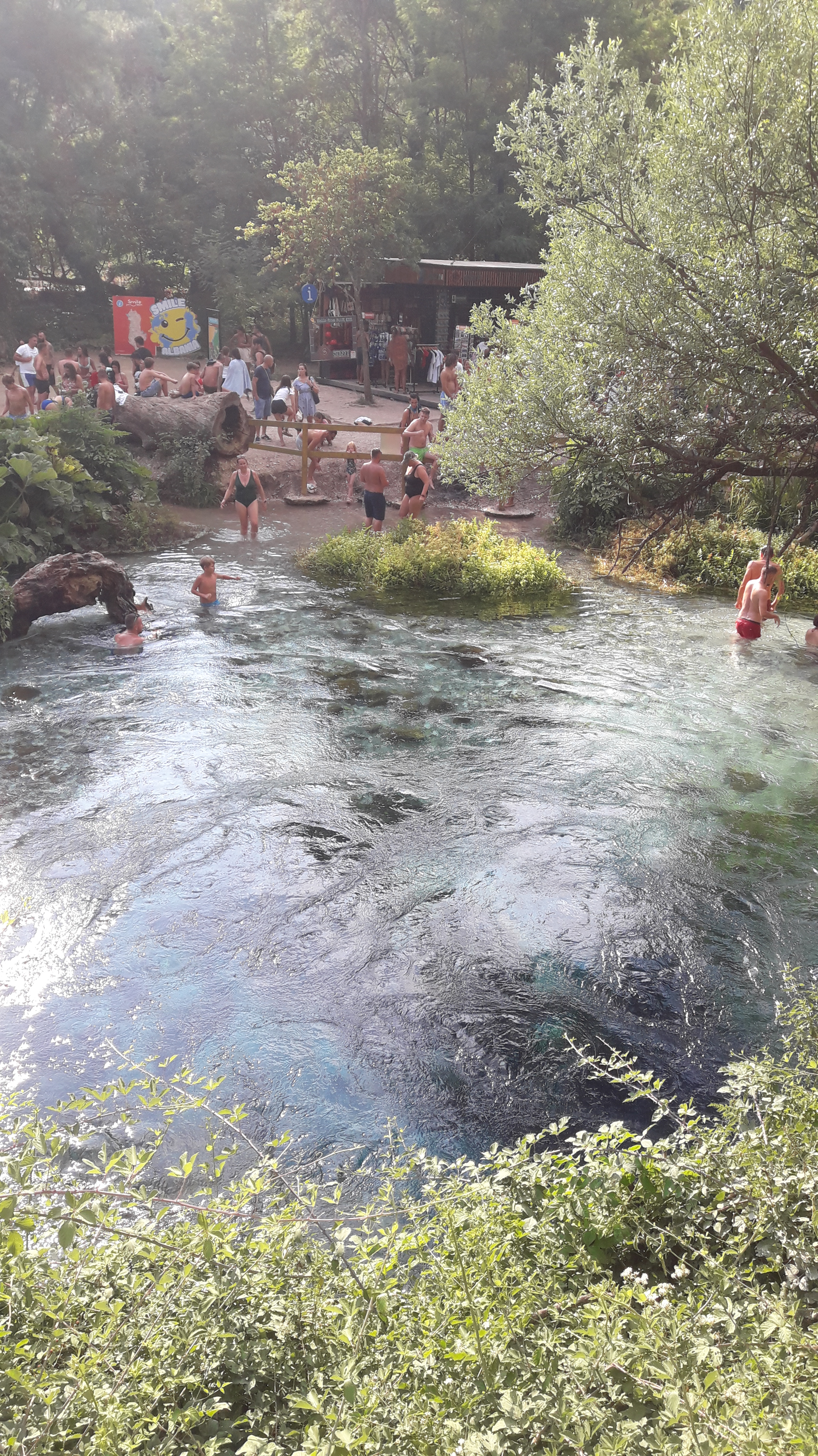
Our last stop was at the Blue Eye, a well-known fresh cold (very cold) water spring and swimming hole. Even though there are signs everywhere about no swimming, there were people jumping into the water from the viewing platform. It was a bit disappointing as it looked far more spectacular in the photos than it did in reality.
We finished off our road trip with a very nice dinner in the atmospheric Mussel House restaurant, not far from Saranda. We returned to the harbour to find both boats exactly as we left them (Anthem at anchor and Paseafique on a mooring buoy), and our dinghy safely tied up in front of the customs dock.
Albania’s modern history is a bit unlike that of other countries we have visited so far. In 1912, it was one of the last European countries to gain independence from the Ottoman Empire. The Albanian nationalist movement emerged in the late 19th century, with the Albanian language being used as a tool to unite the people. The Ottoman army was defeated in 1912 in the north of the country by invading Balkan neighbours, and with the Greeks attacking from the south, the nationalists declared independence, which was formally recognised by a number of major powers in 1913. However, in the ensuring 30 years, it was invaded and occupied by all its neighbours, creating various periods of unrest and instability and impoverishing the country. Eventually by 1944, the last of the invading forces were finally expelled and the communist government controlled the whole country, until 1992, when the Democratic Party won the election.
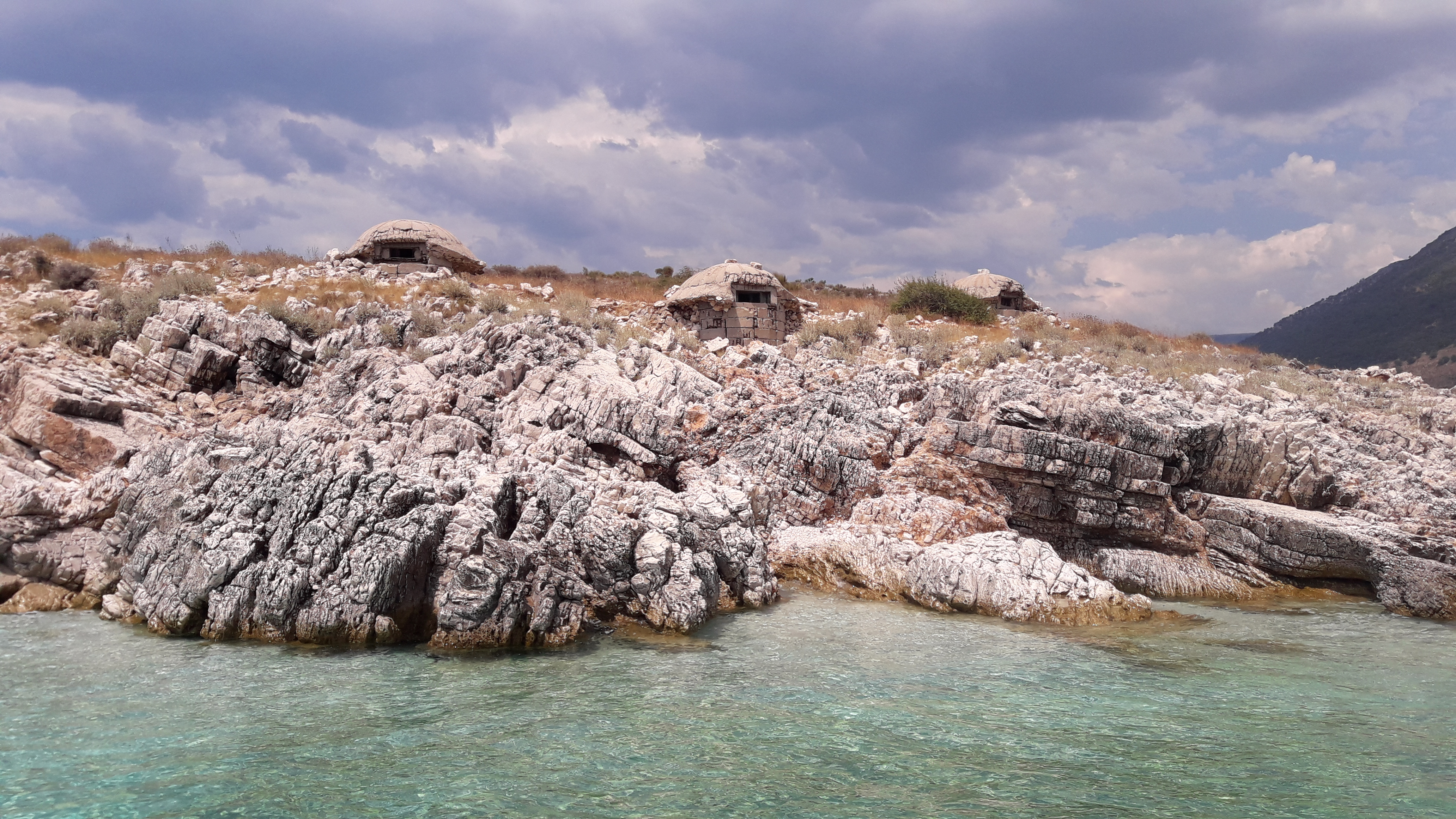
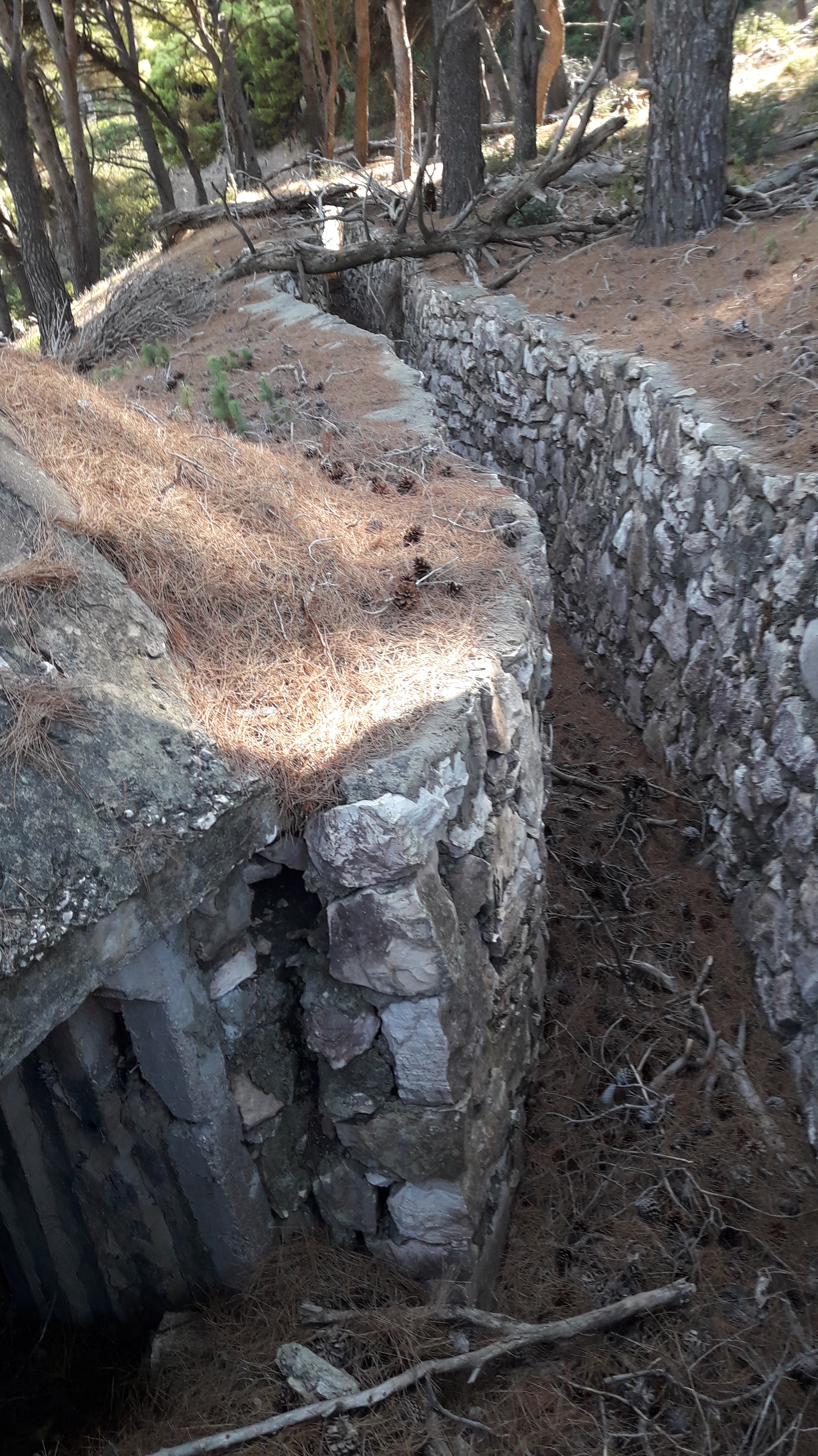
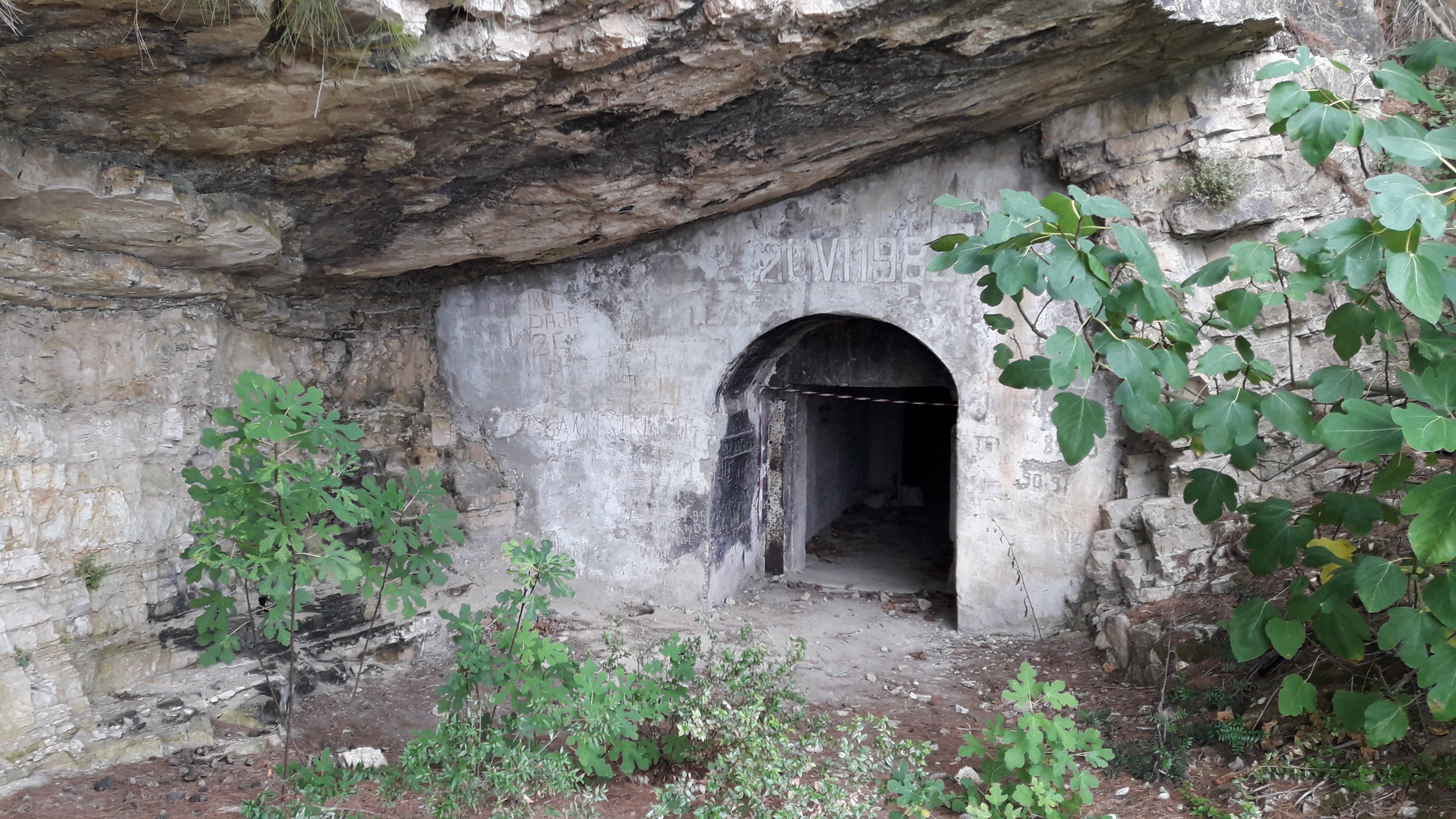
We saw lots of decaying Communist era infrastructure on our travels through Albania. There were many abandoned factories throughout the countryside as well as on the fringes of the cities. We saw hundreds of concrete military bunkers scattered all over the countryside, in the cliffs around the coastline, and in towns and cities. Apparently 173,000 of these were constructed from the 1960s through to the 1980s, an average of 5.7 for every square kilometer. According to Wikipedia, the bunkers were maintained by local families and citizens from the age of 12 were trained to man the nearest bunker in the case of an invasion.
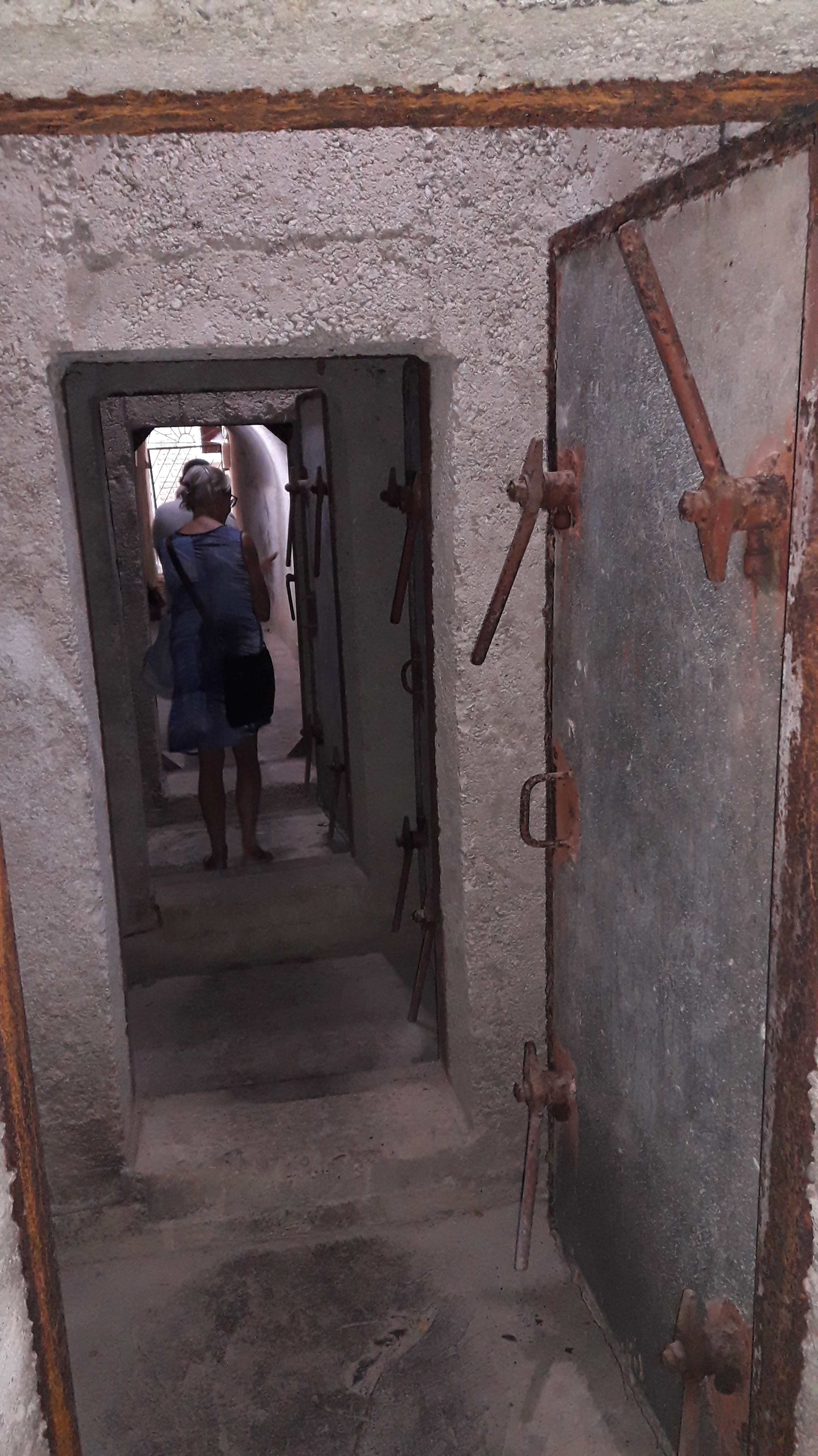
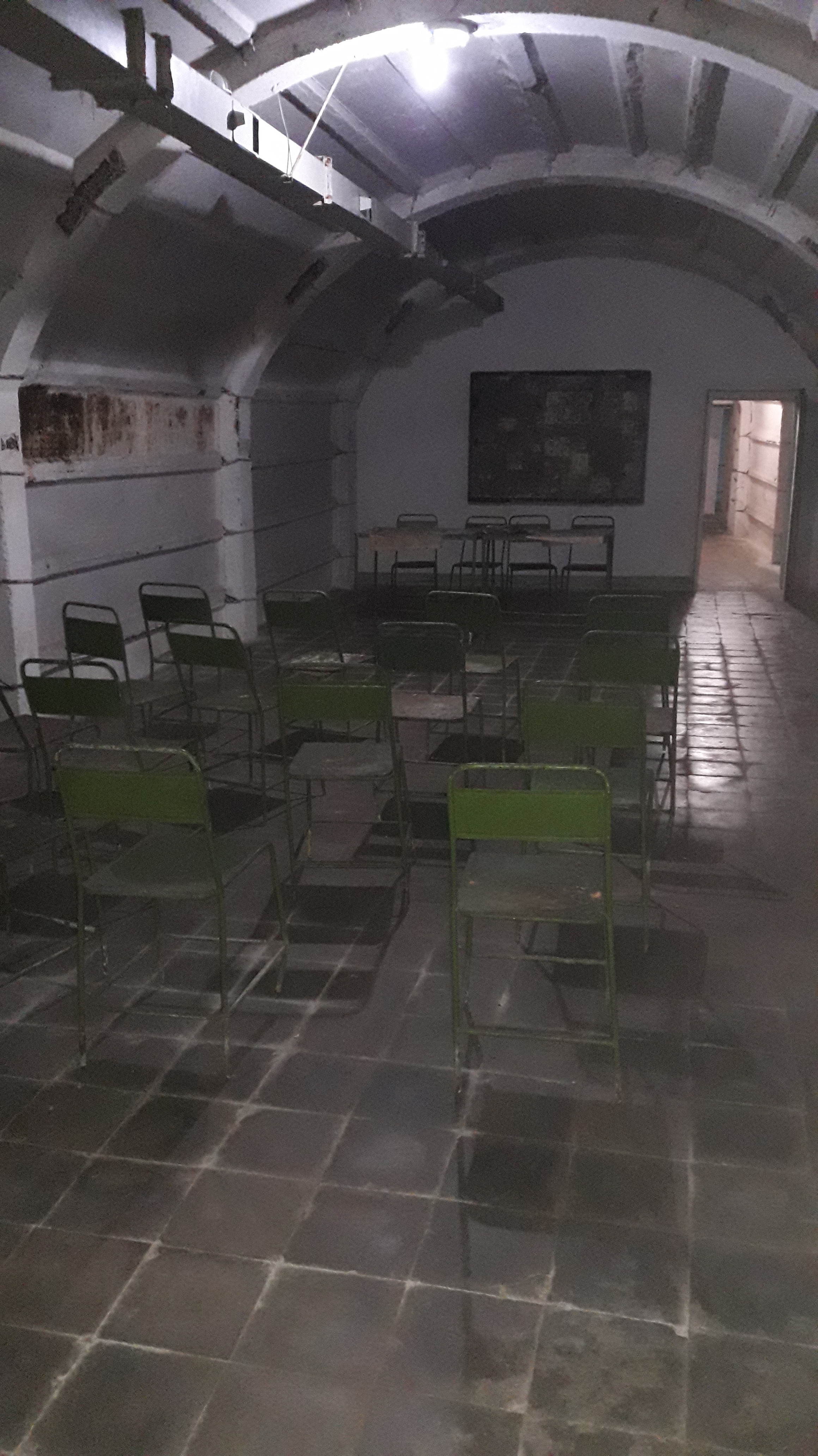
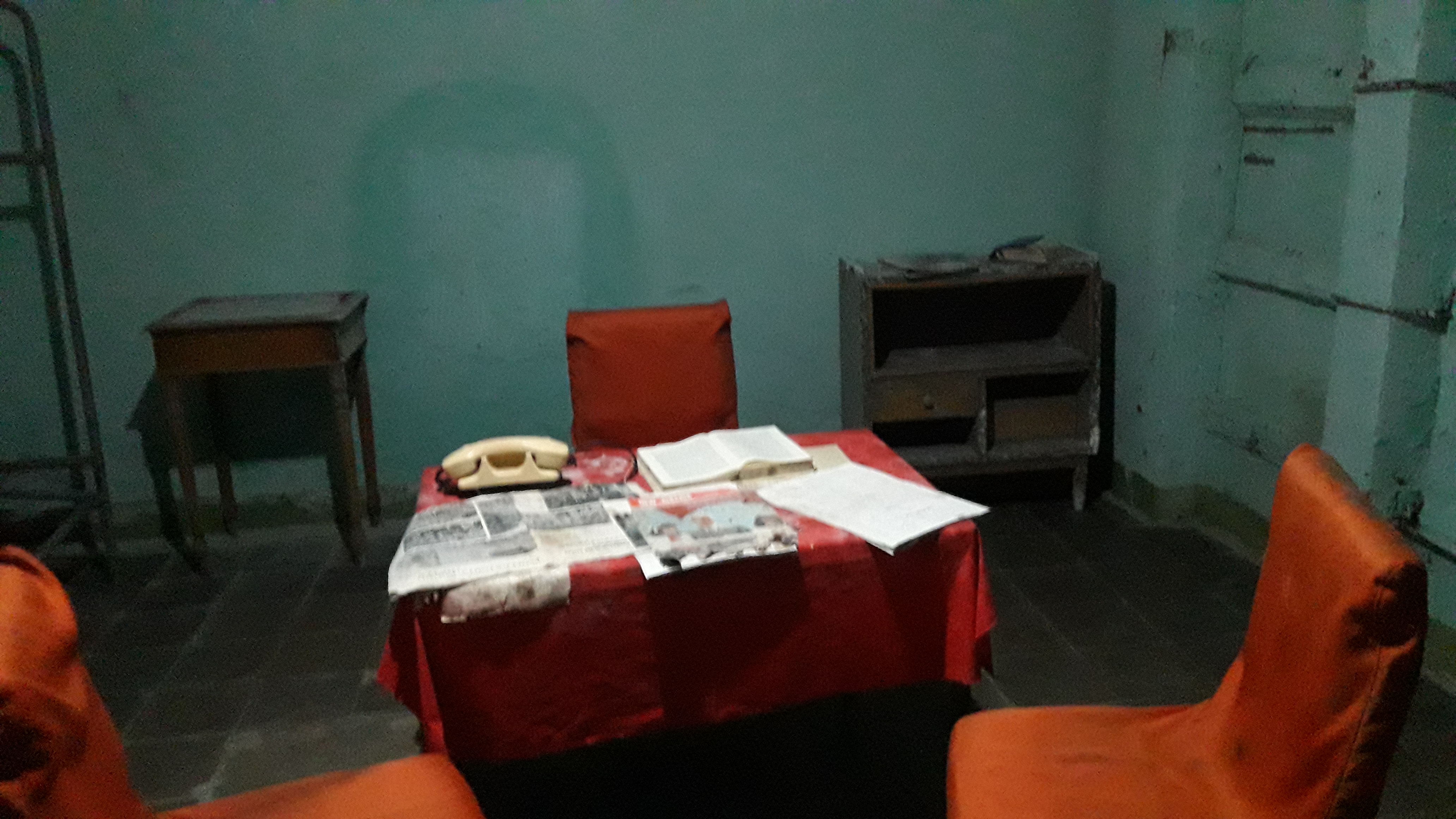
Tunnels were also part of this defensive infrastructure and in Gjirocaster for example, there are 800 m of tunnels underneath the city which were constructed as emergency shelter in the event of a foreign invasion and nuclear attack, something which the Communist dictator Enver Hoxha really feared. During our visit of the tunnels, we could see the rooms that were set up as offices for all the important government departments, interrogation rooms, and the water storage and power generation facilities. Of course other countries have this kind of facility but it was nonetheless fascinating to visit this one.
The Soviet Union were an ally for Albania in the early communist era, and supplied Albania with submarines, which were left behind when the relationship with the Soviets cooled. We anchored right next to a submarine bunker at Porto Palermo, where there is still a military presence, although no submarine to protect.
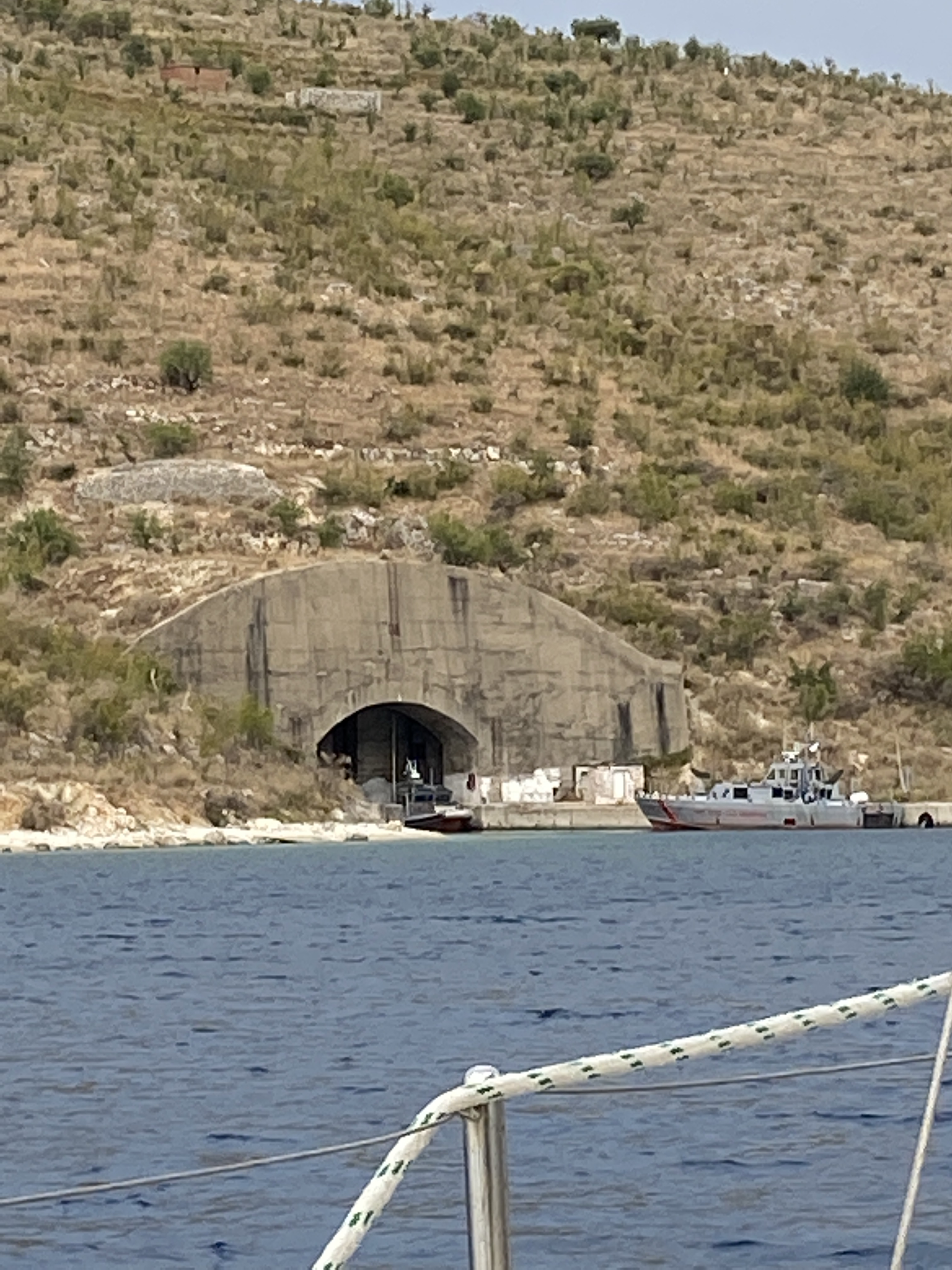
The bunker is supposedly off limits to civilians but the temptation was too great for Phil and Adrian who found a way into it through some nearby tunnels.
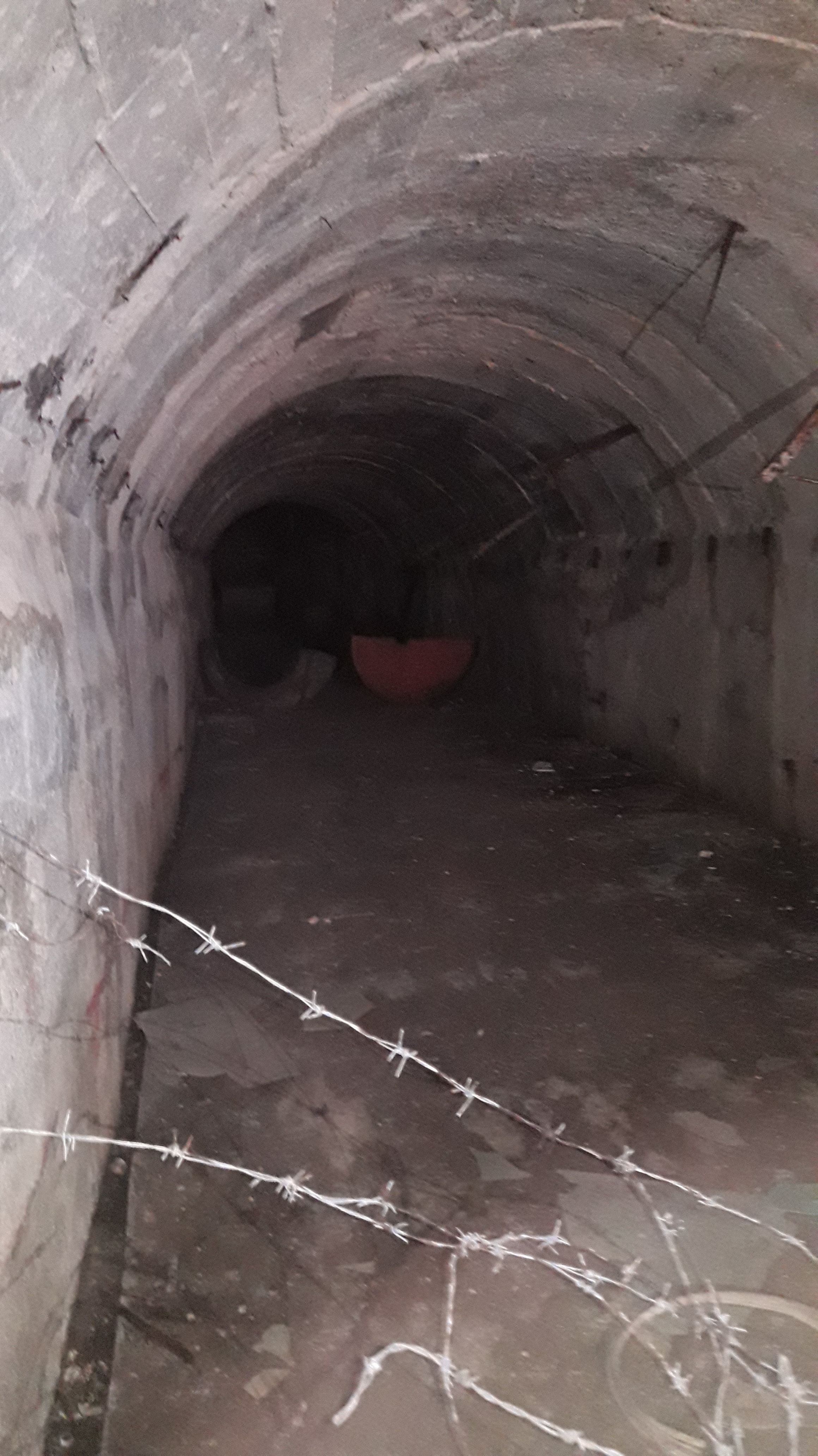
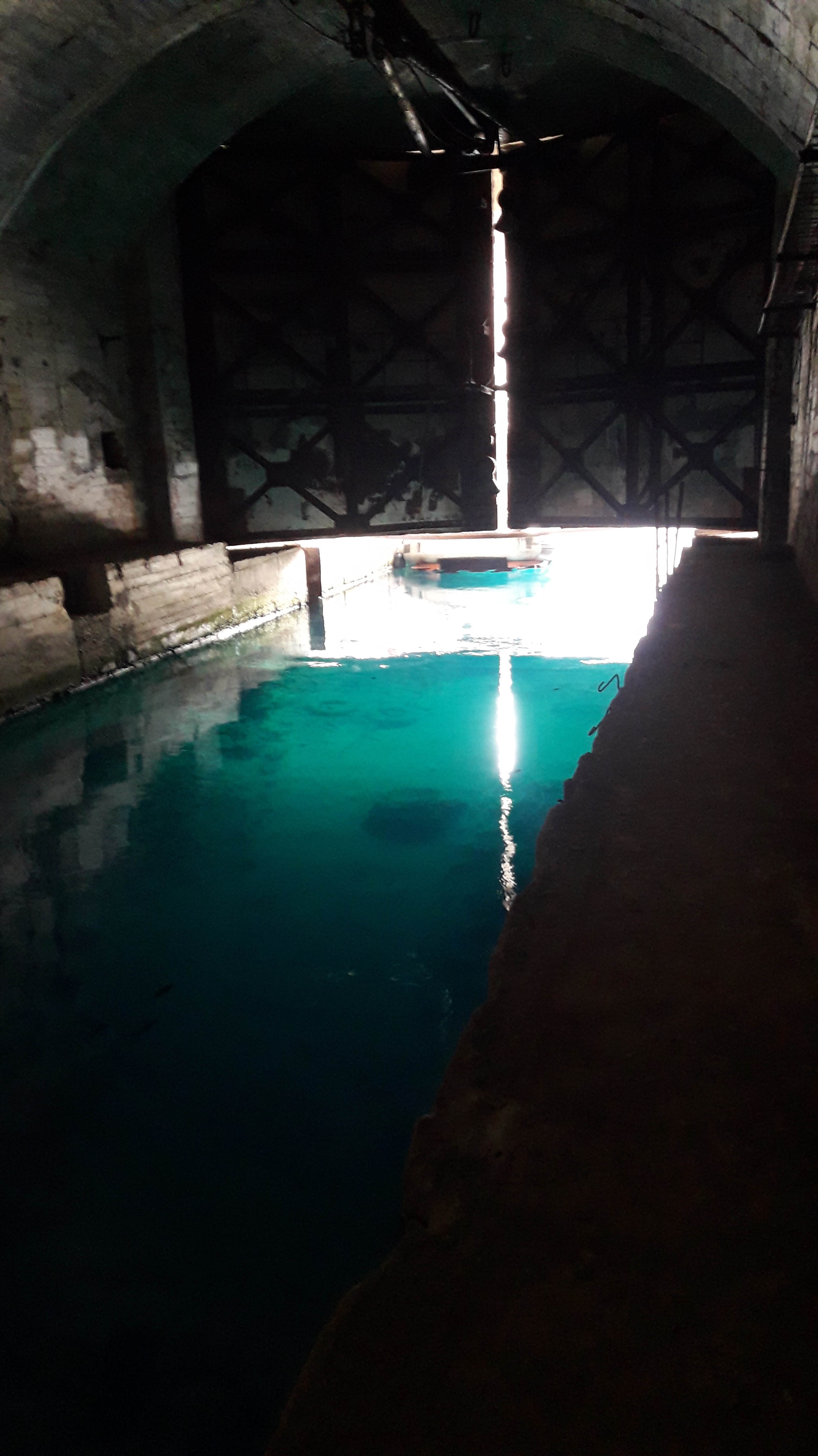
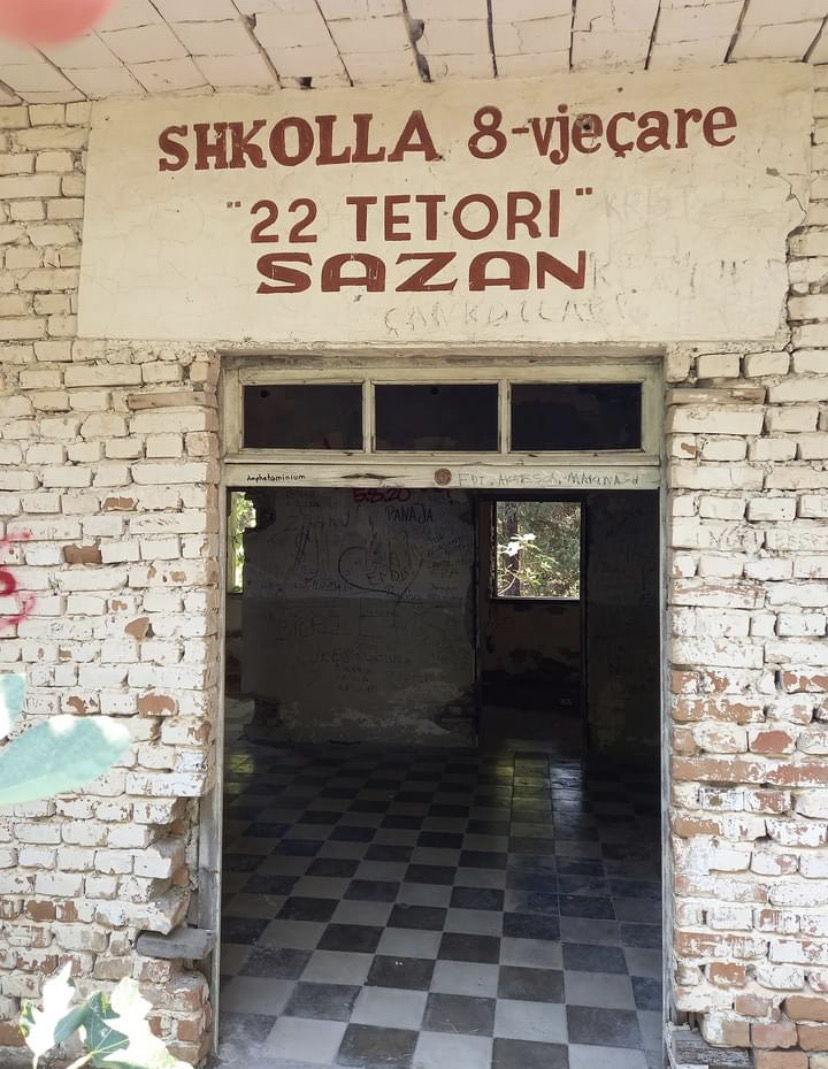
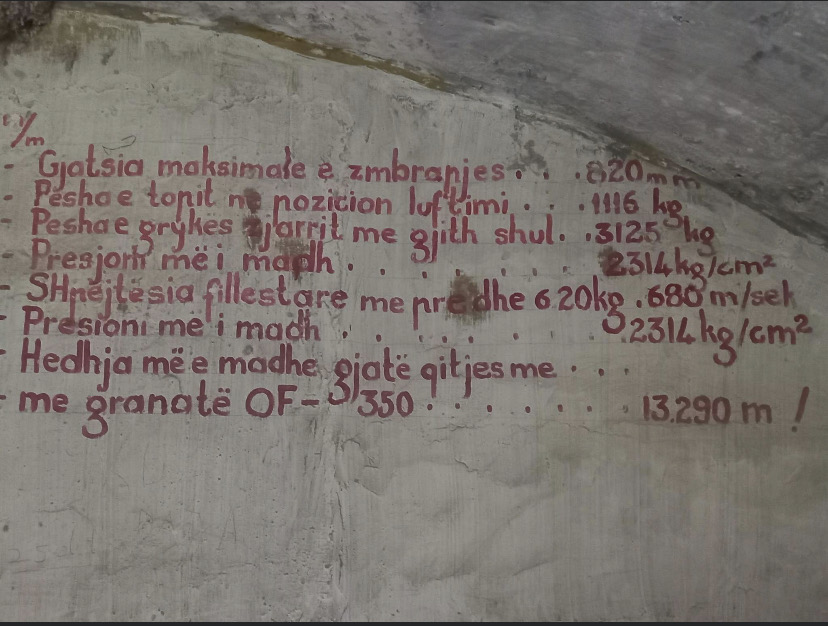
Further north, near the Bay of Vlore, we anchored at Sazen Island which has a strategic location at the meeting of the Ionian and Adriatic Seas. Again the Soviets supported Albania’s defence by building a submarine base here as well as a chemical/biological weapons plant – which explains why the island was so heavily fortified with bunkers just everywhere. The coast guard, which is part of Albania’s navy, have a base here, and although the island is open to the public, they are still a little protective of some parts of it.
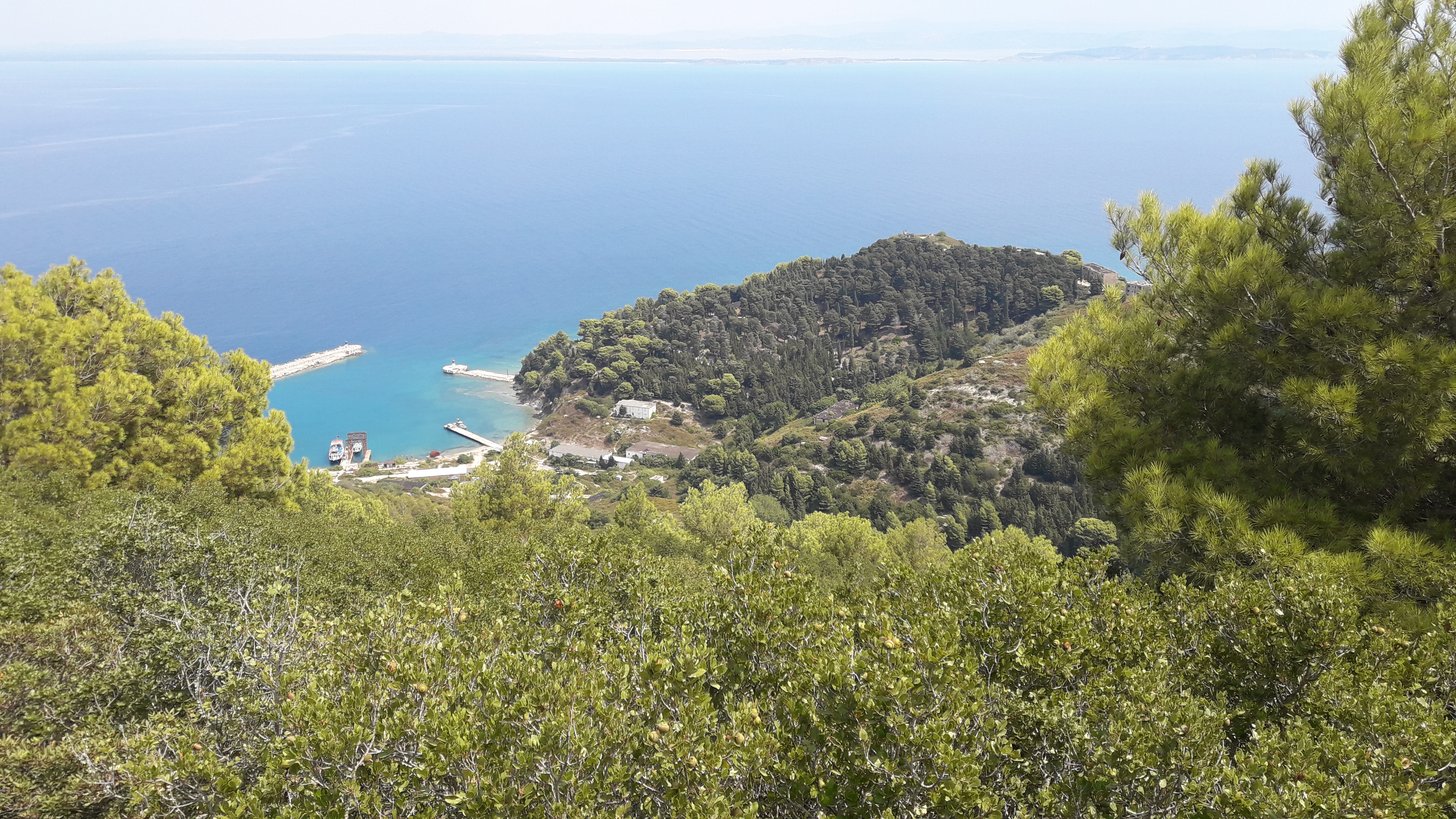
We were finding Albania to be an intriguing country with lots to see, so our travels there will be continued in the next blog.
 paseafique
Another very interesting account of your travels Lesley & Phil! Love the history, photos, adventures…. look forward to more Albanian experiences.
The photo where you mention the neatness of the stonework revealed a lovely pattern in their work too!
Cheers from Lyn 🙂
LikeLike