Like all Australians hungry for travel after the Covid imposed restrictions, we booked our flights back to Turkey well in advance and starting planning and preparing for our return to Paseafique in March 2022. The hardest part of leaving Australia was knowing that we wouldn’t be seeing our gorgeous grandchildren for 6-7 months. We had seen quite a lot of the three girls and just adore spending time with them all and watching their little personalities develop. We also had a brand new grandchild, Flynn, who was born mid-March, so it was especially tough to know we would be missing his early months. So with our heart strings tugging and the excitement building, we actually couldn’t believe it when we found ourselves at Melbourne’s international airport on our way to Istanbul.
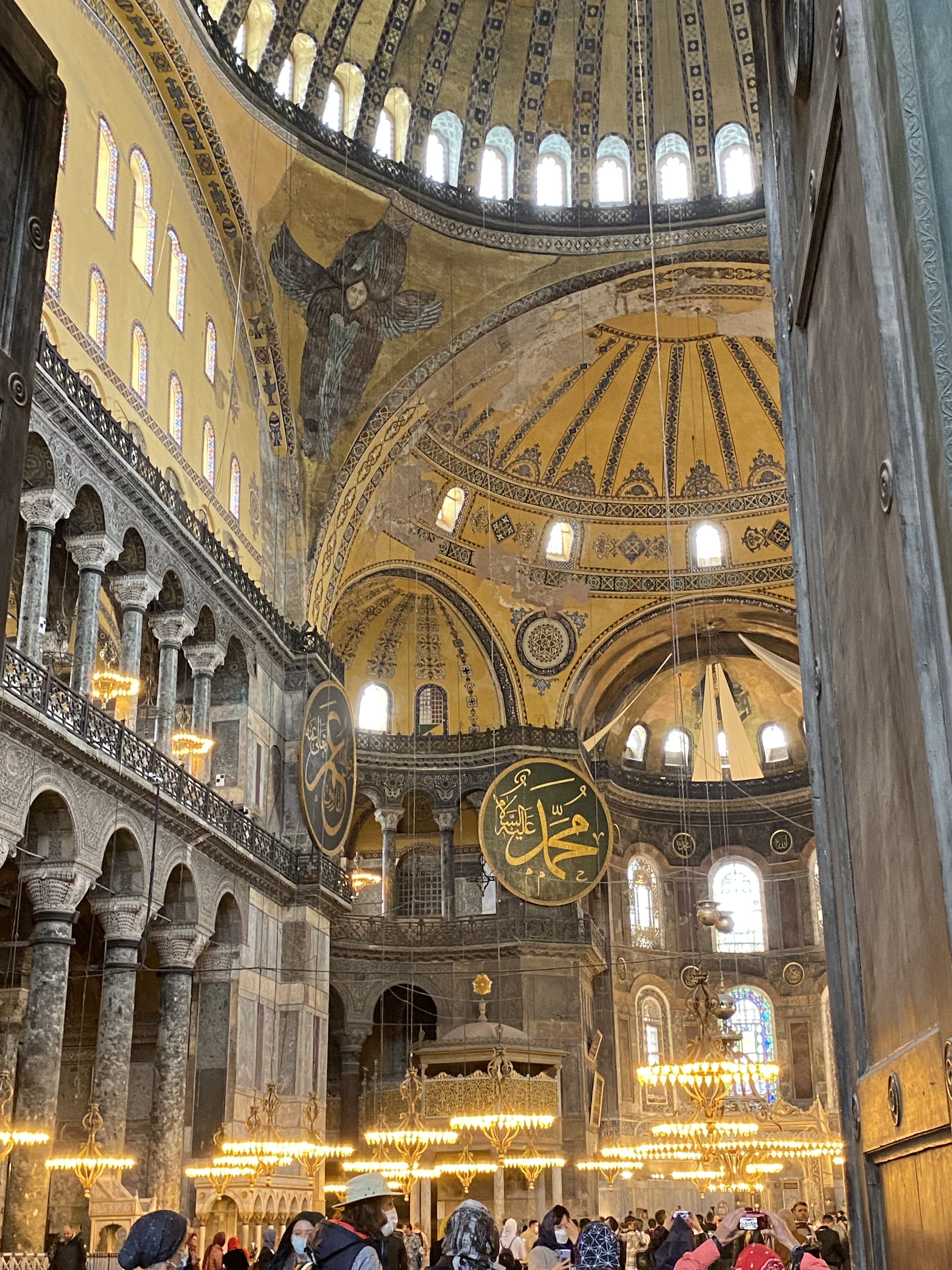
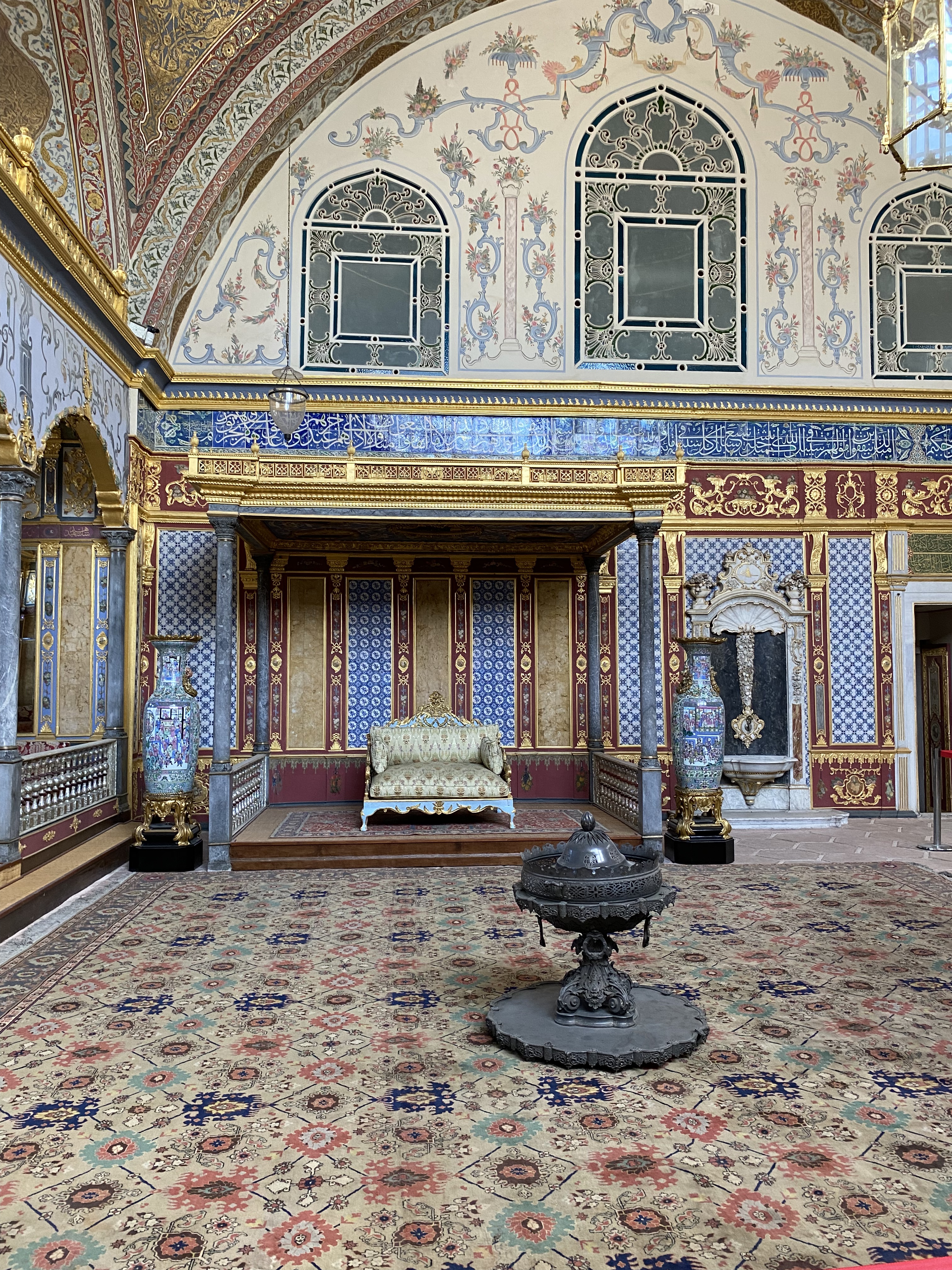
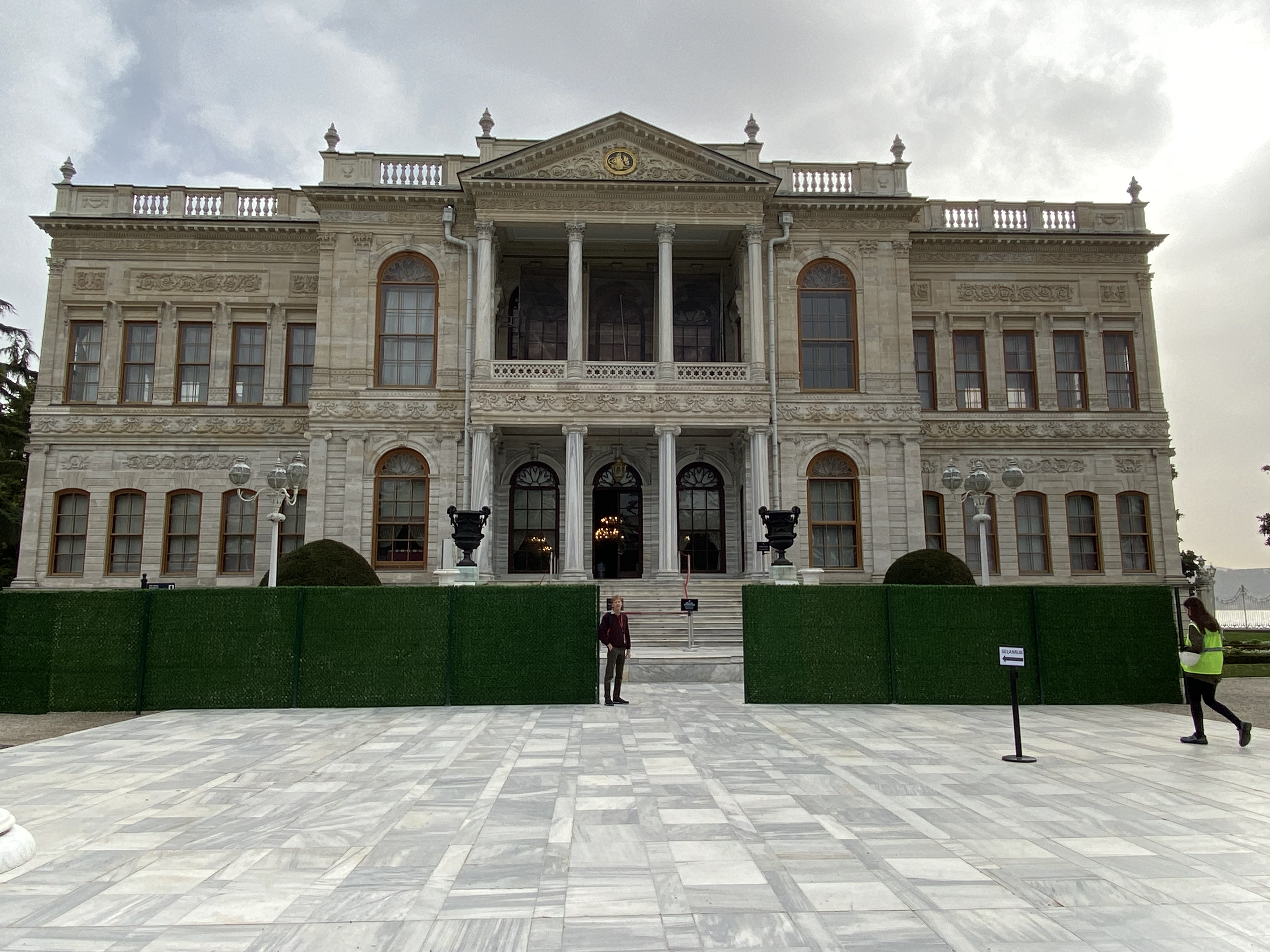
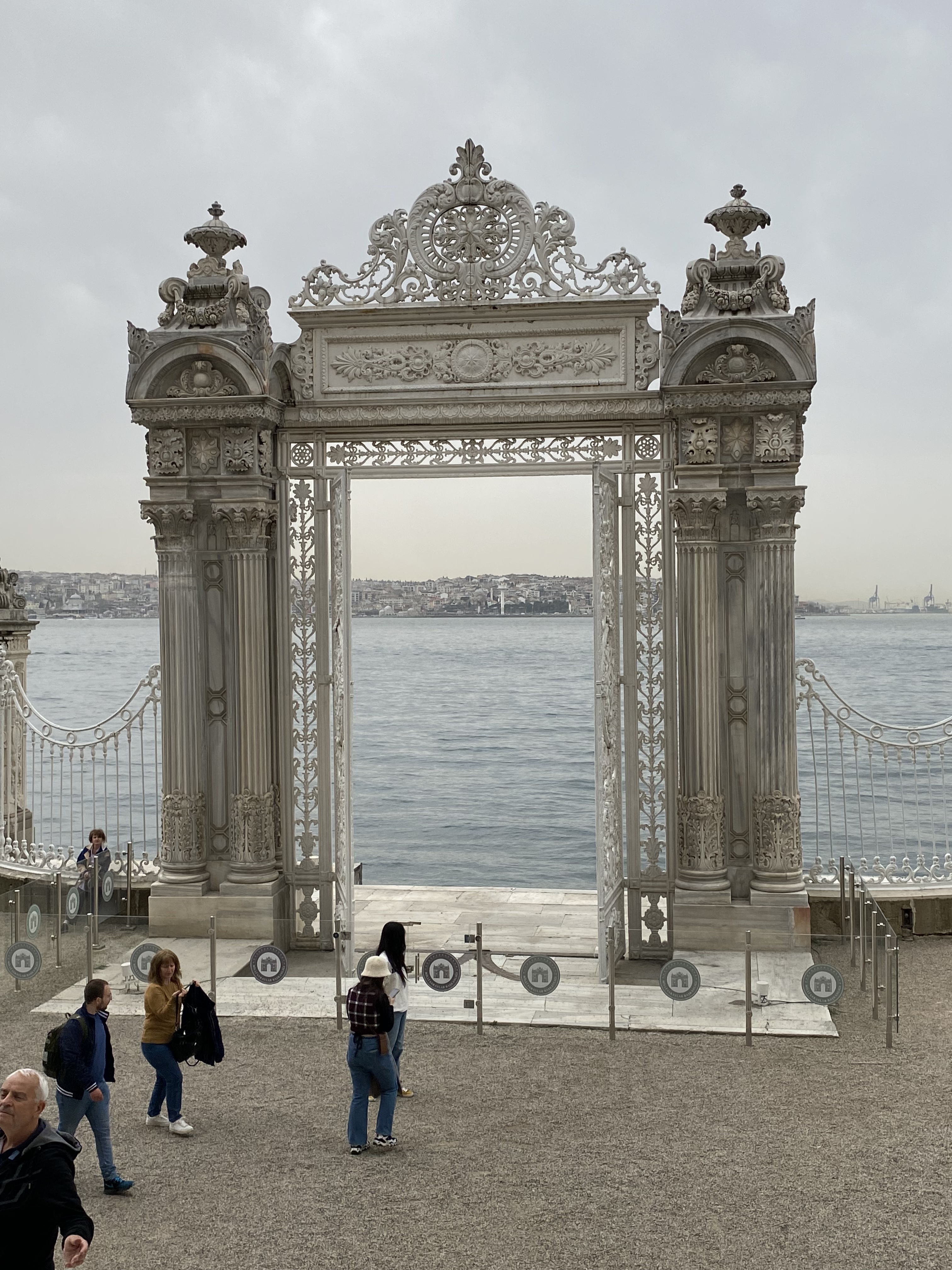
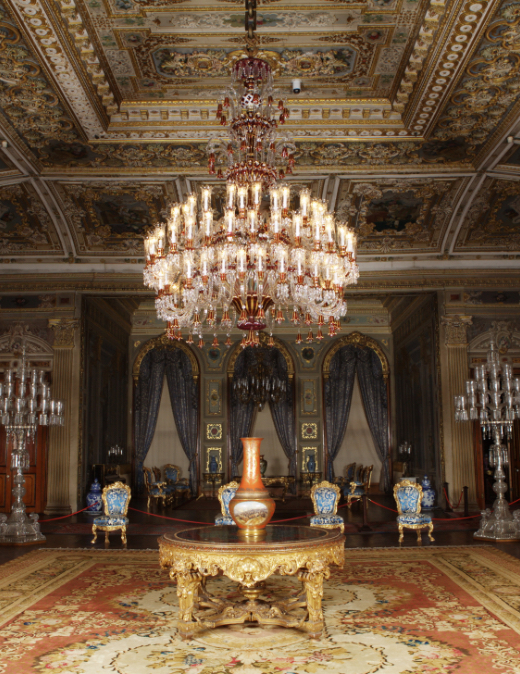
We had decided to spend a few days in Istanbul before returning to the boat, rather than sail there as we had originally planned pre-Covid. We visited the usual tourist attractions – the Blue Mosque, Aya Sofya, Grand Bazaar and Spice Bazaar – and marvelled at the stunning opulence of the Topkapi and Dolmabahce Palaces. The Topkapi Palace was built shortly after the Ottomans took Istanbul in the mid 15th century and was the residence of the Sultans and their families until they moved to the more modern Dolmabahce Palace in the 19th century. The contrast between the architecture of these two palaces was interesting. The Topkapi was built along traditional lines as a series of pavilions, kitchens, audience chambers and other individual buildings, where as the Dolmabahce was more like European palaces with an eastern influence in the internal furnishings. Apparently, the cost of building and decorating the Dolmabahce was a significant factor in the bankruptcy of the Ottoman empire. Little wonder given there was room after room lavishly decorated with ceiling frescoes, enormous crystal chandeliers, huge carpets, and gold leaf everywhere.


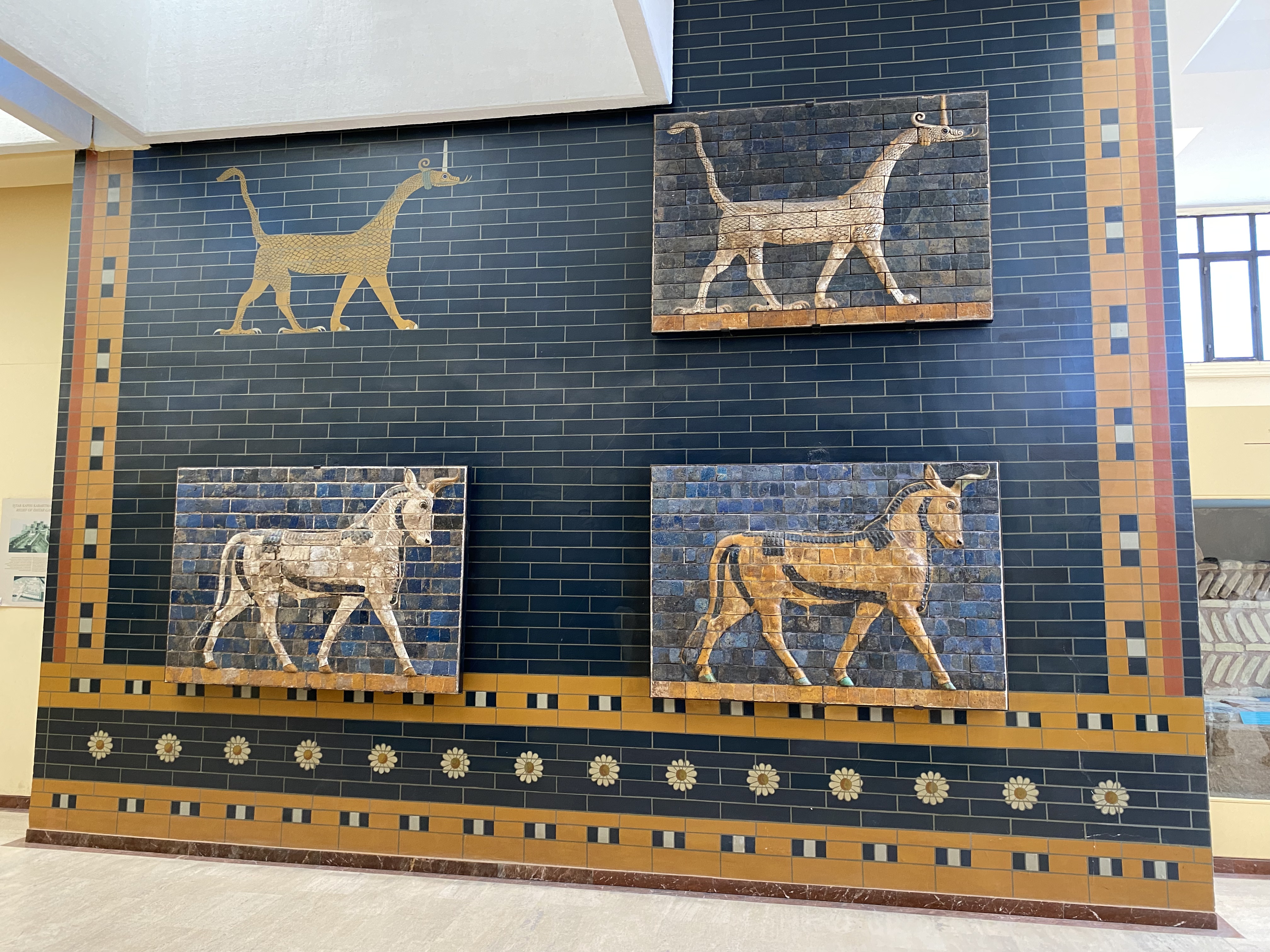
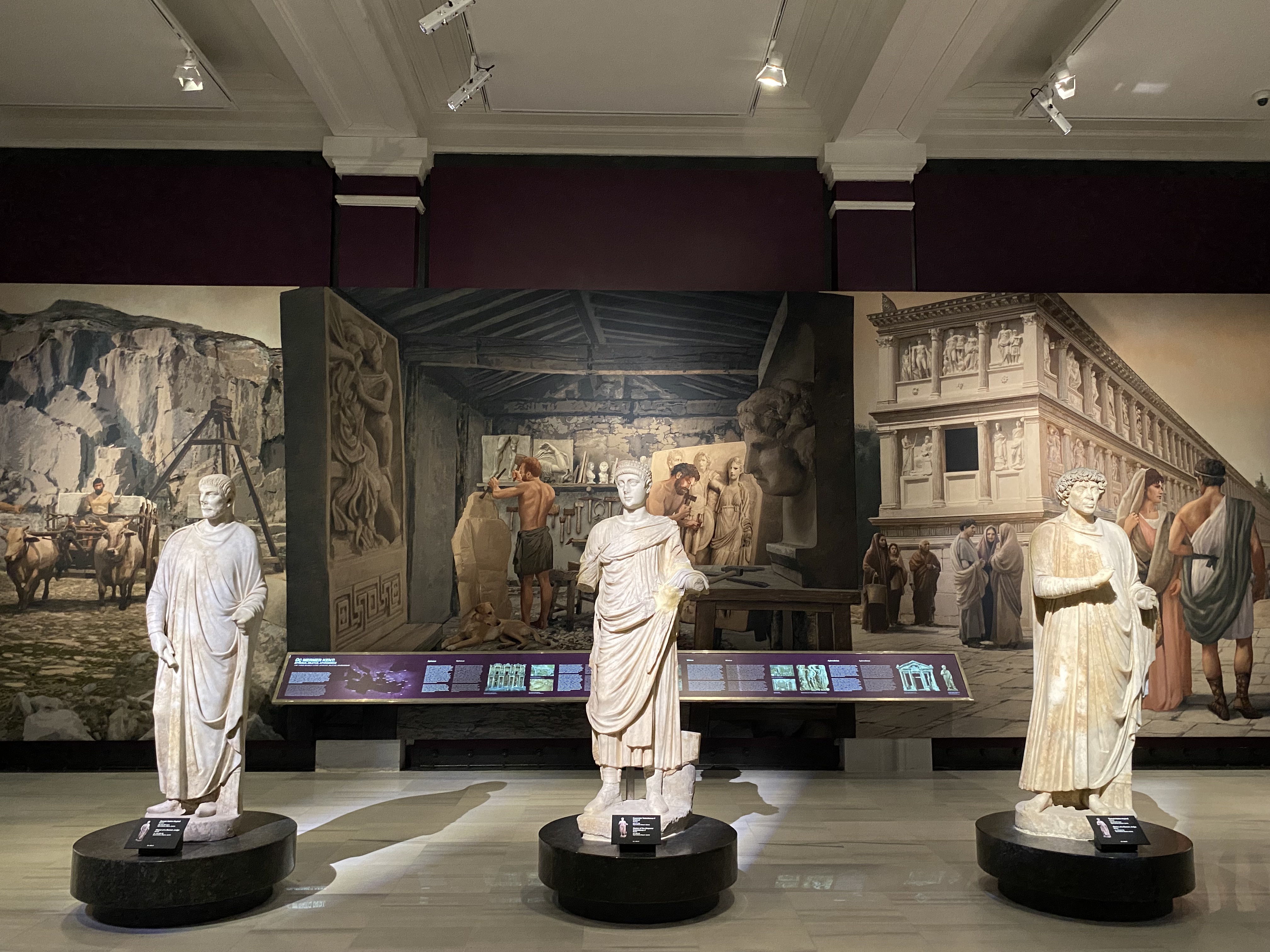
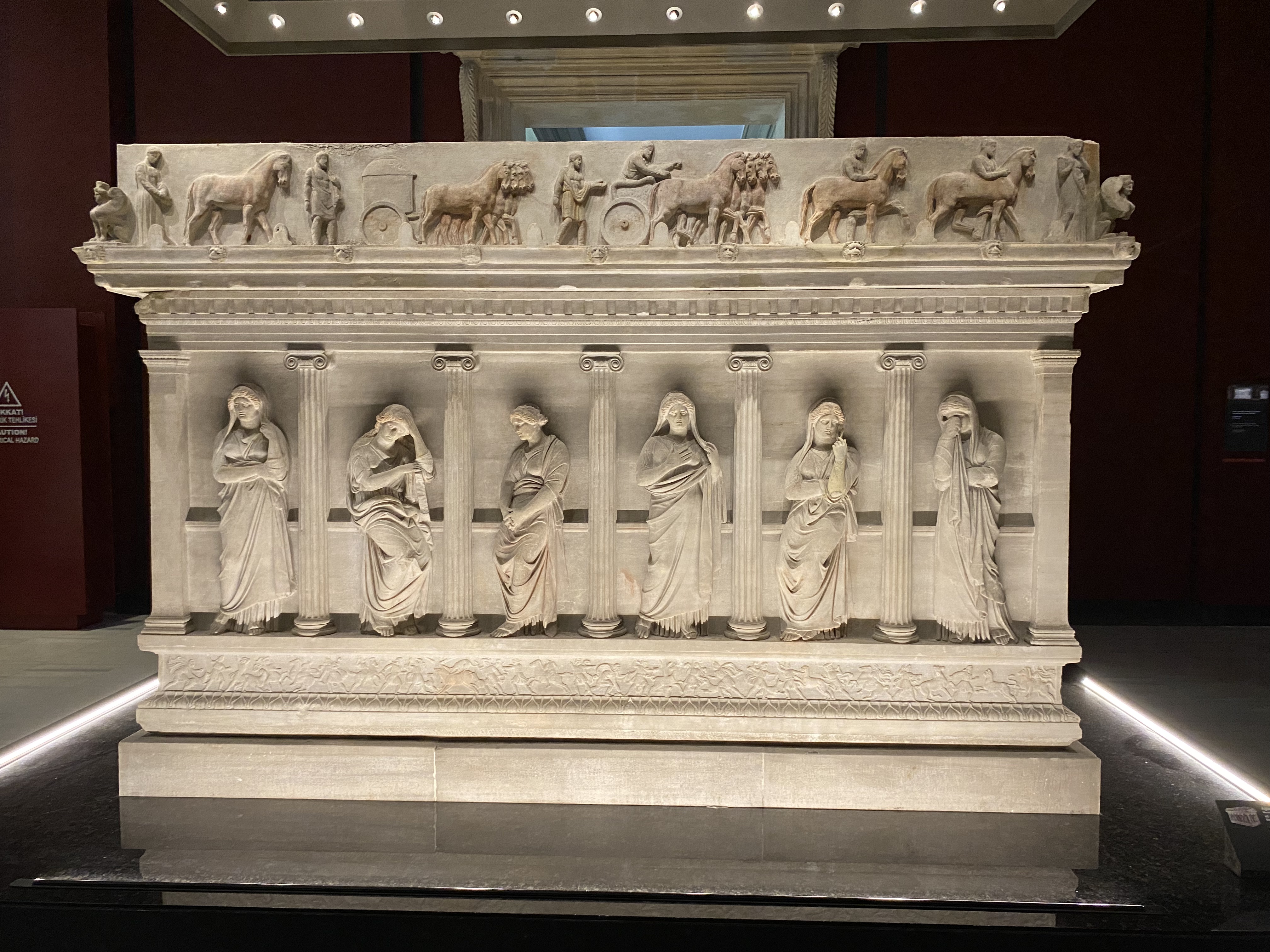
We spent an afternoon immersed in the Istanbul Archeological Museum which houses one of the best curated collections we have seen. I was thrilled to see the glazed brick panels depicting various animals, that lined the processional street and gate of the ancient city of Bablyon – imagine! I was standing right next to it as there was no barrier around it.
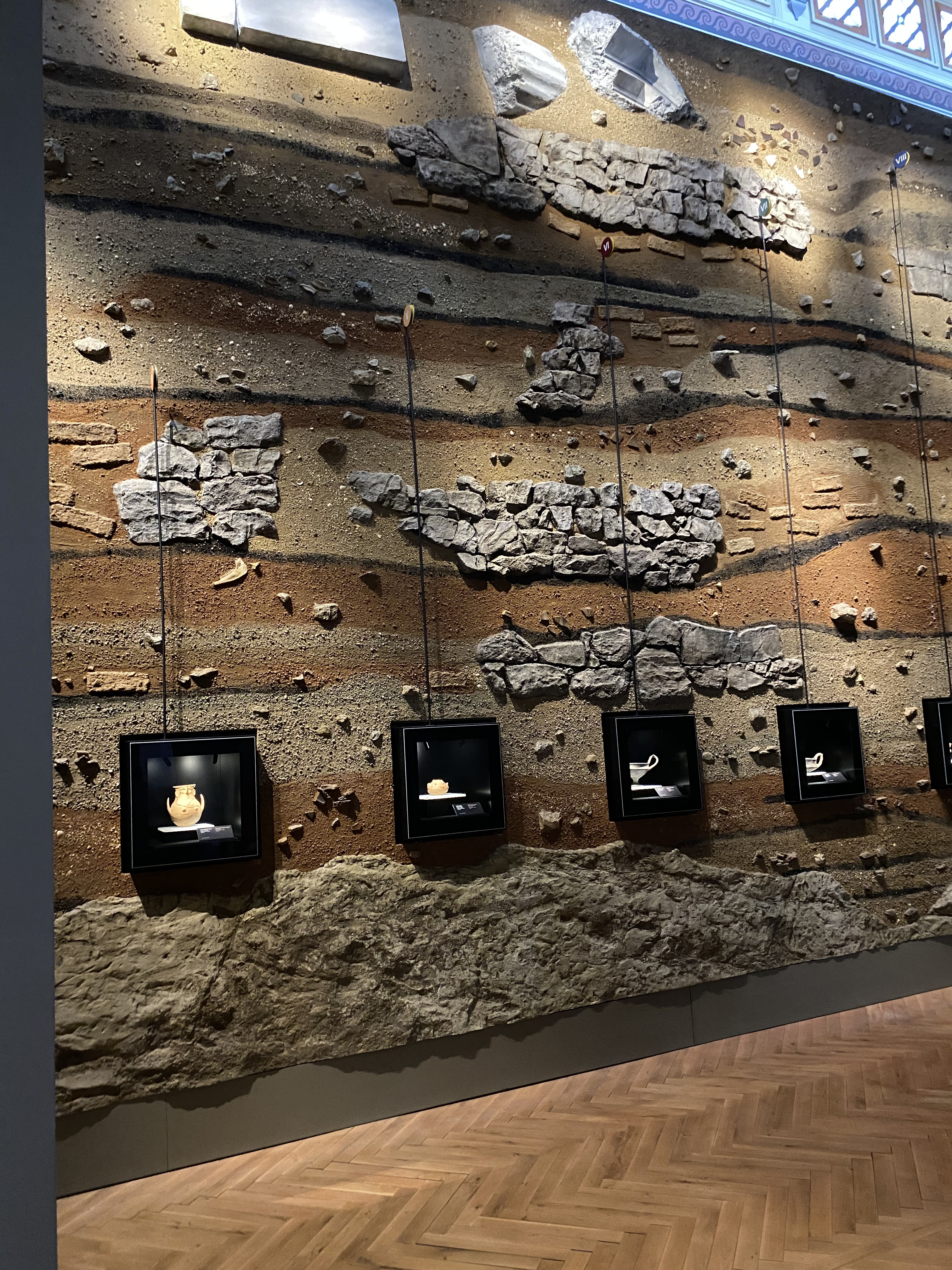
Another display which totally fascinated me was the whole room that was devoted to the city of Troy covering the mythology of it, the eventual location and excavation of it, and then a display case showing artefacts from each of the nine different levels. Location is everything in real estate, and Troy must have had some location, as it was re-built each time after being destroyed by nine natural disasters or invasions.

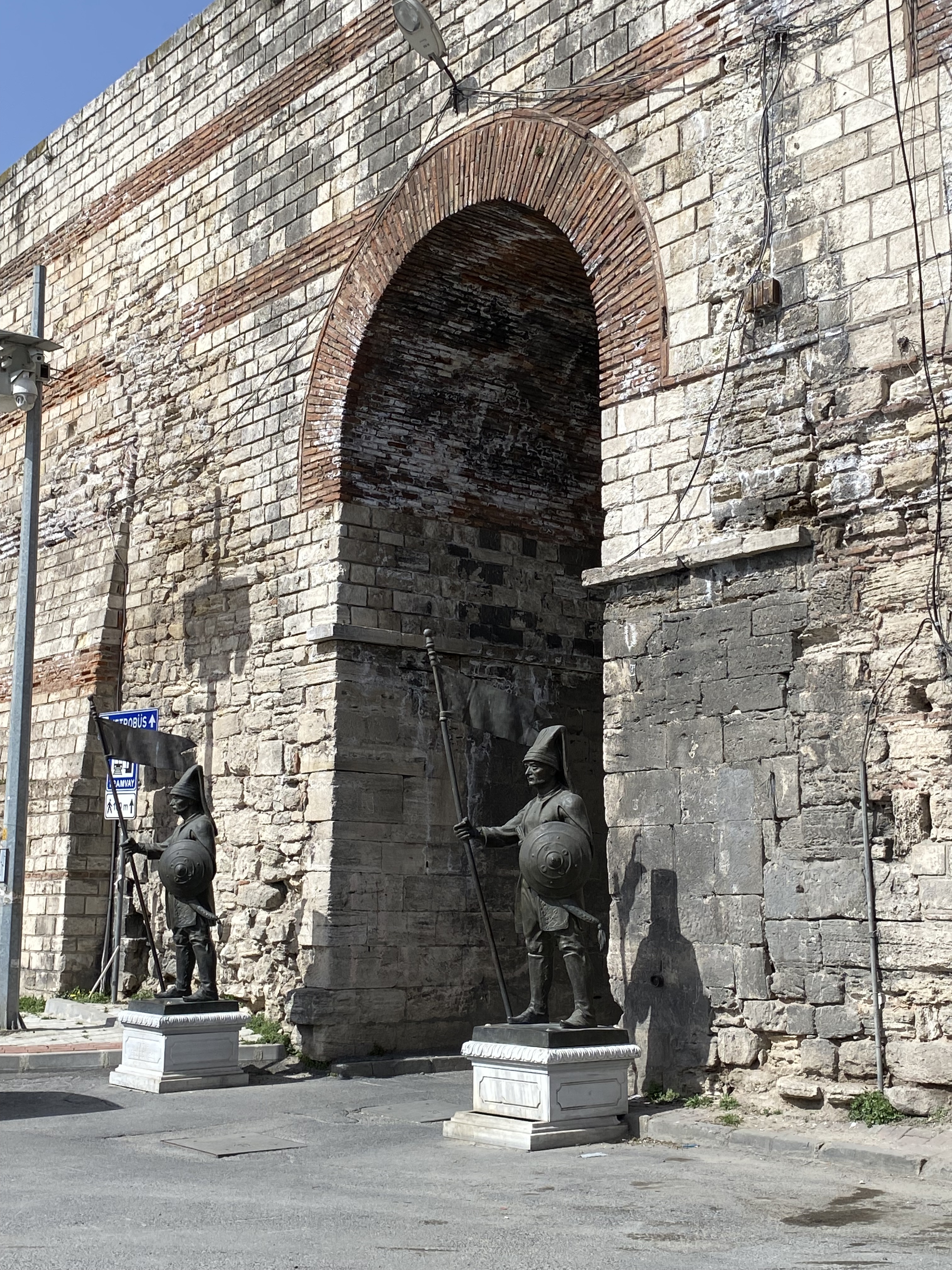
One of the highlights for us was a walk along the 5 km length of the Istanbul old city fortification which was built around 300-400 AD by the Byzantine empire to defend the city. It was thought to be impenetrable until the Ottomans, led by the 21 year old Mehmet II, breached it in 1453. They tried to gain entry using one of the largest cannons ever built. This cannon weighed 18 tons and required 60 oxen and 400 men to move it into position. Assault on the wall with the cannon failed as it could only fire 4-7 shots a day, and the Romans were able to re-build the wall faster than it could be damaged by the cannon. The Ottomans eventually breached the wall by sheer manpower and the city became the centre of the Ottoman empire. We ambled along the length of the wall for a few hours relishing yet again walking in ancient footsteps, and discussing the feat of conquering what was then Constantinople.

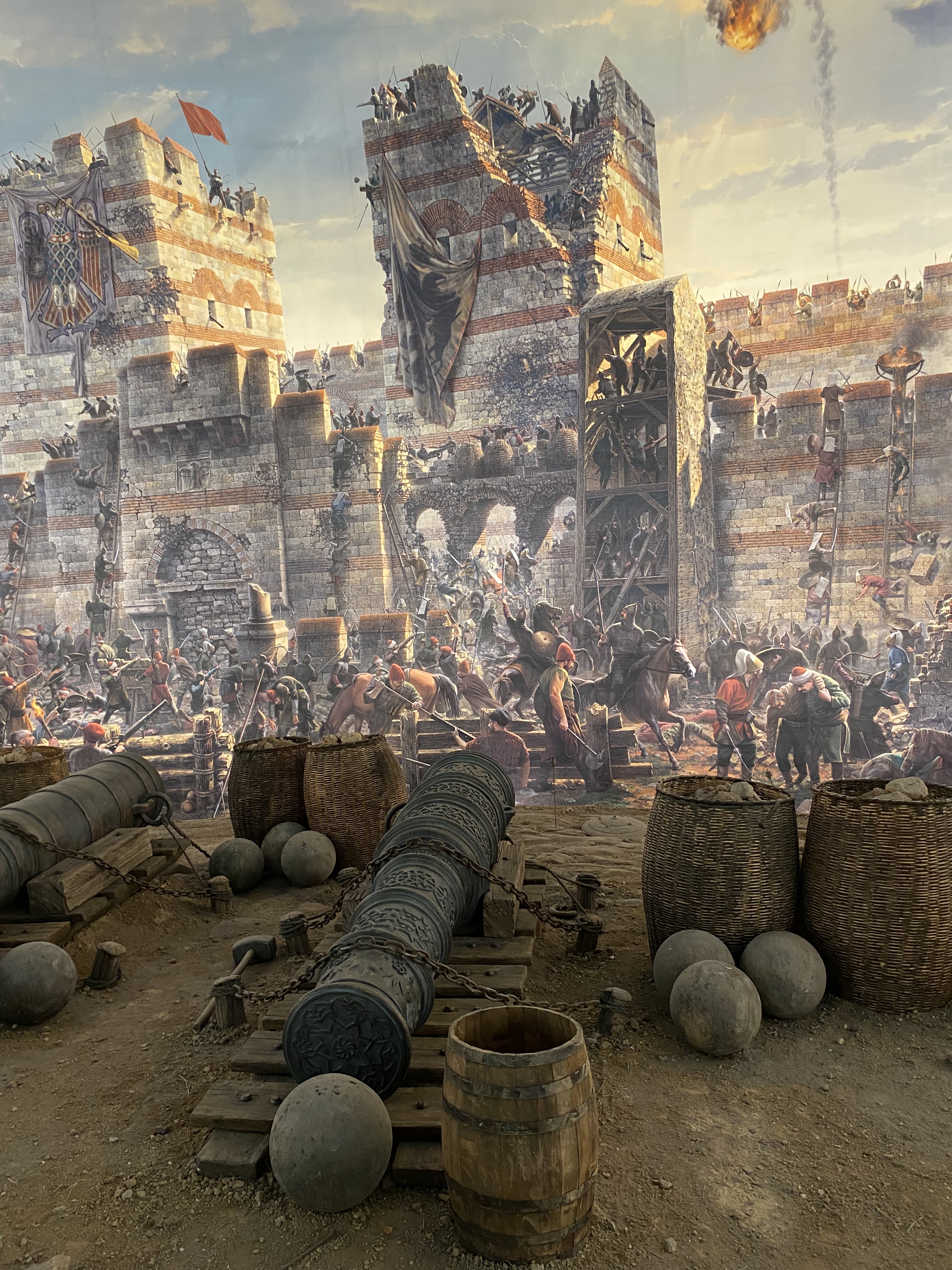
A perfect companion activity to this walk was a visit to the 1453 Panoramic Museum, where the siege has been re-created in a panoramic life size view projected onto a very large dome. The viewer stands in the middle of the dome, and various actual objects like cannons, cannon balls, barrels, are placed between you and the screen so that reality blends into the scene. And let’s not forget the very loud audio – the sounds of battle, men yelling, horses neighing, cannons firing, and the band playing – yes, a band actually played while the soldiers in the front line were fighting. The whole display gives you the feeling of actually being there.
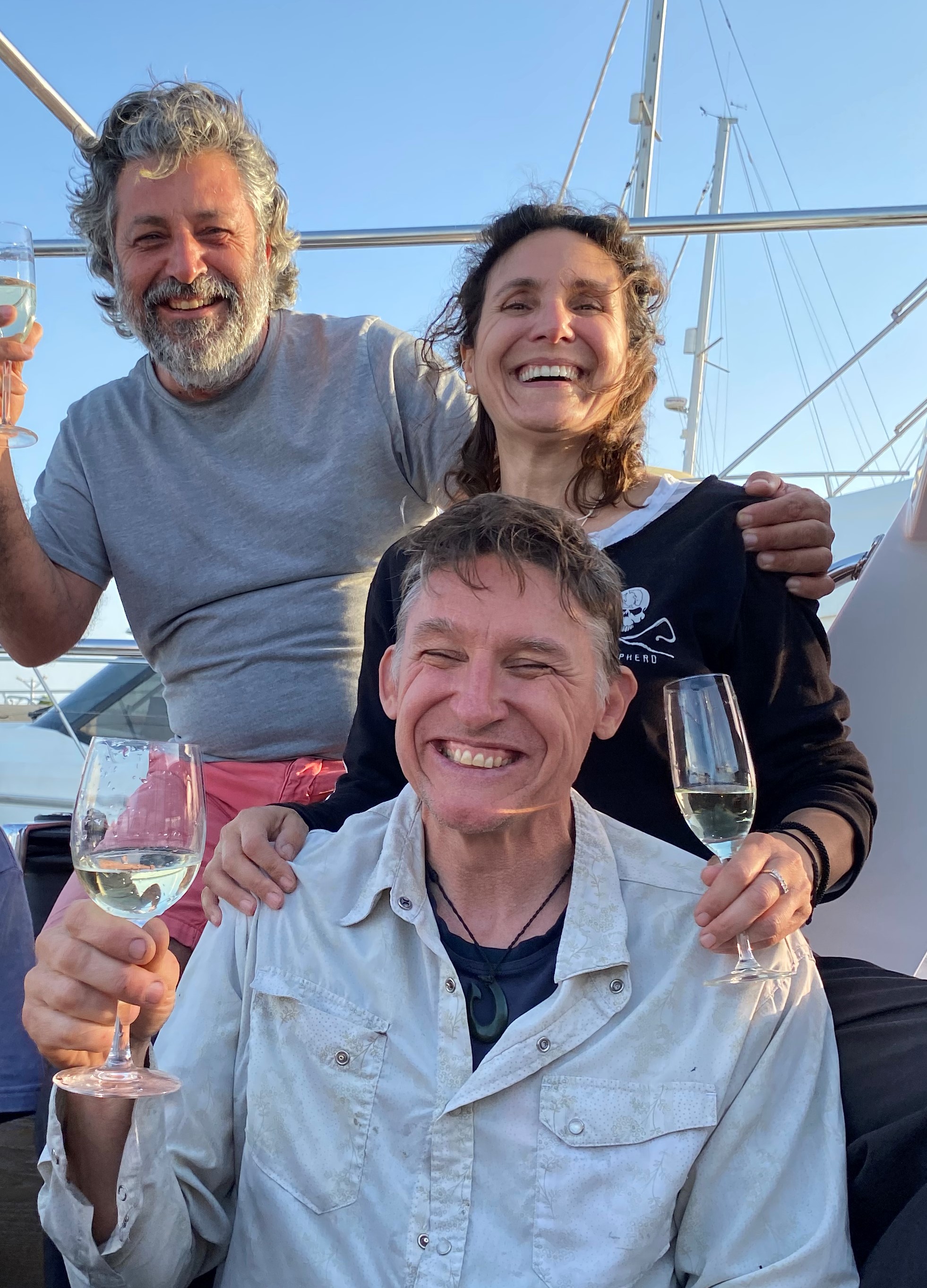
We flew from Istanbul to Izmir where are good friends from Anthem, Adrian and Marianna, picked us up from the airport and drove us the 50 kms back to Sigacik. It was very exciting to see them again, knowing that we would soon be sharing cruising adventures together. We first met Adrian briefly in 2015 in Indonesia and later we quickly formed a friendship with him and Marianna as we shared time in the anchorages of the Indian Ocean during our crossing in 2017. We were planning to cross the Aegean Sea with them and explore the southern and western coasts of Greece, and Albania and Montenegro together this season. After seeing us checked into our apartment in Sigacik, they left for the long drive south back to Didim, where Anthem was undergoing repairs and refurbishment after significant damage in a storm while in Jordan.
It was with a mixture of excitement and trepidation that we walked over to Teos Marina to see Paseafique, for the first time in just over two years for me. For Phil, it was a return to the tsunami scene after having left a damaged Paseafique in the yard there 16 months previously. We found Paseafique in pretty good shape, and with considerable progress having been made on the repairs. Still, it took us nine days to re-commission her and get her back in the water. We were both pretty tired too, as we had picked up some sort of respiratory infection, probably on the plane from Australia, that really sapped our energy. It could have been covid but I did test negative for it.
Before we left Sigacik, we received a visit from Liz and Steve of Liberte, and Theresa and Paul from Iduna II, who drove up together from Kusadasi to have lunch and spend the afternoon with us. We met Liz and Steve early in our cruising adventure but had not seen them for about 5 years – perhaps even more. We had however remained in contact via social media and had shared our cruising experiences and supported each other through some ups and downs. Re-connecting with other cruisers in different locations as we all move around is one of the absolute delights of cruising. Theresa and Paul were extremely helpful to Phil when the tsunami struck in Sigacik in 2020. Theresa and I “met” through facebook, and then Phil met up with them in Kusadasi, where they are based, during his covid year in Turkey. It was just fabulous for me to actually meet them, and for Phil to see them again in much more relaxed circumstances. We all went for a wander through the pretty streets of the old part of Sigacik, enjoyed some local Turkish food, and whiled away the afternoon over coffee.
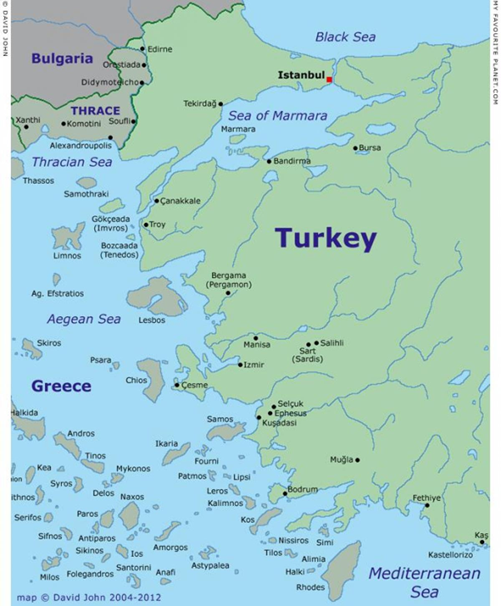
We started to cruise south with our first major stop being Kusasdasi, from where we intended to visit the ancient city of Ephesus. I was so excited about this I could hardly contain myself. It was at one time the Mediterranean’s main commercial centre. The excavations there span the city’s history from classical Greek times to the Roman Empire and to the spread of Christianity. In preparation for this trip, I had twice read Christos Tsiolkas’ historical novel “Damascus” which deals with the establishment and spread of Christianity and is loosely based on the life of St Paul. The well-researched novel is a masterpiece, vividly evoking the likely feel and experience of living during those times. I was green with envy when Phil went during 2020, and so finally it was my turn. It exceeded my expectations! I was totally absorbed and enthralled. Some commentators criticize the restoration of parts of the city and its buildings, as detracting from the authenticity of the site. However, I think that it makes the history more tangible, and also serves to protect the remaining original parts.

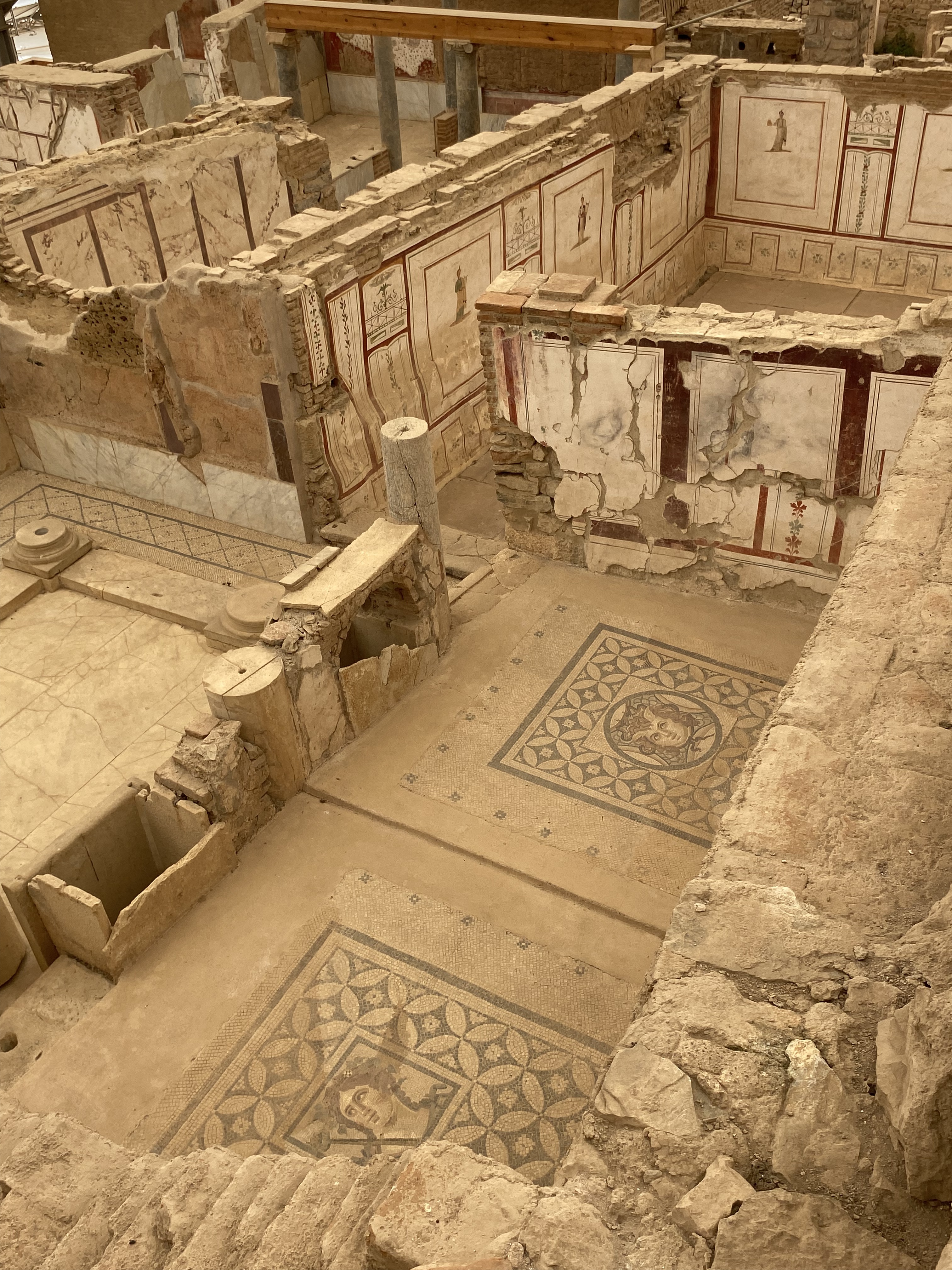

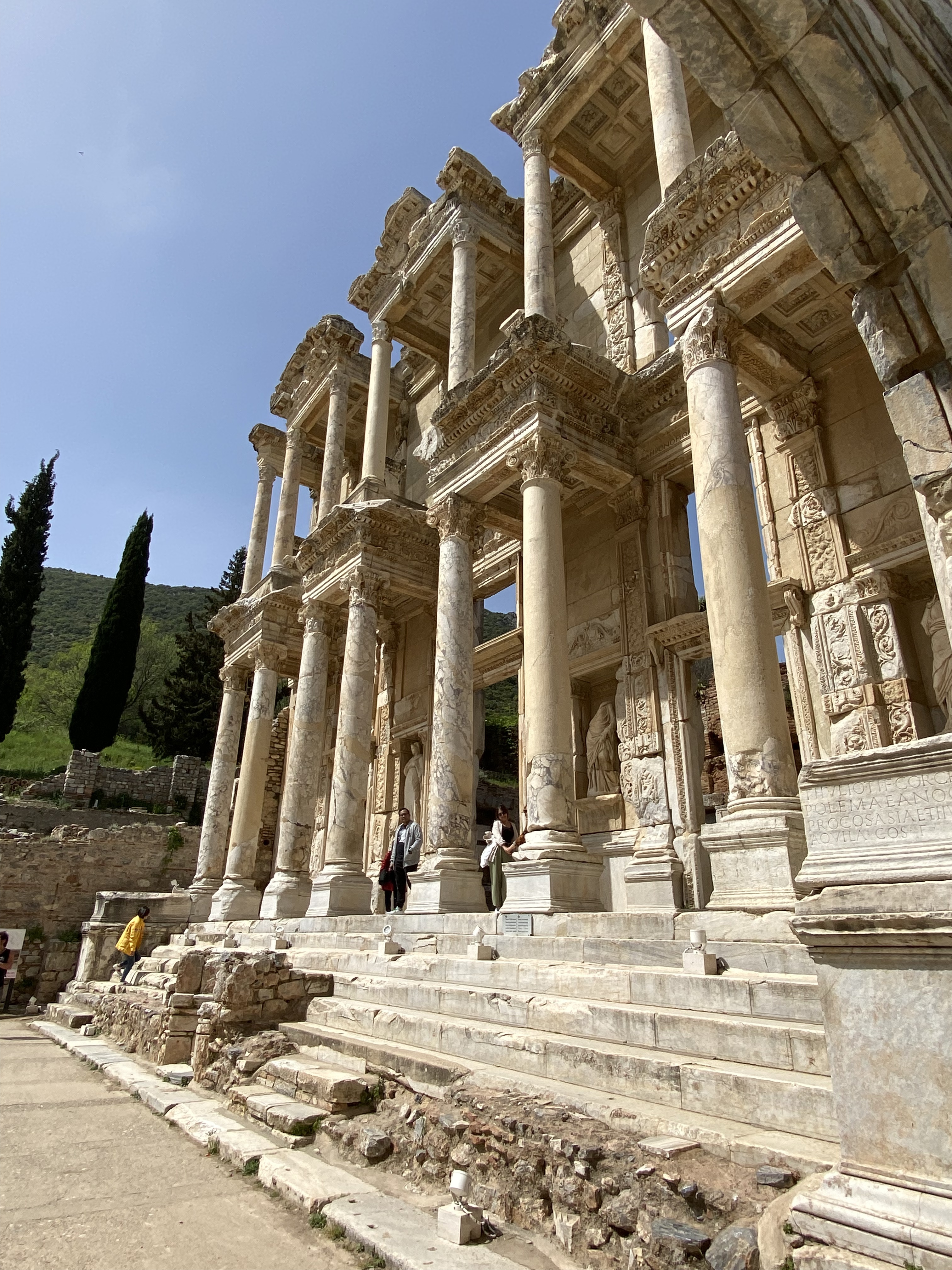
I was raised as a Catholic and during my childhood heard the many stories about the spread of Christianity and the mission of the apostles in spreading the word and converting people into the faith. Regardless of whatever view one might have about religion in general, or the Catholic religion in particular, the apostles achieved an incredible feat. In Ephesus for example, the citizens were totally devoted to Artemis, the goddess of fertility. They had so much faith in her protection of their city that they did not even build walls around the city. The Christian religion was so completely at odds with their perspective on life and suspicion of Christians abounded. It is extraordinary then that almost all the Ephesians converted to Christianity after St Paul and his followers arrived in Ephesus. On returning to Kusadasi that evening, we again met up with Liz and Steve for an enjoyable dinner together.
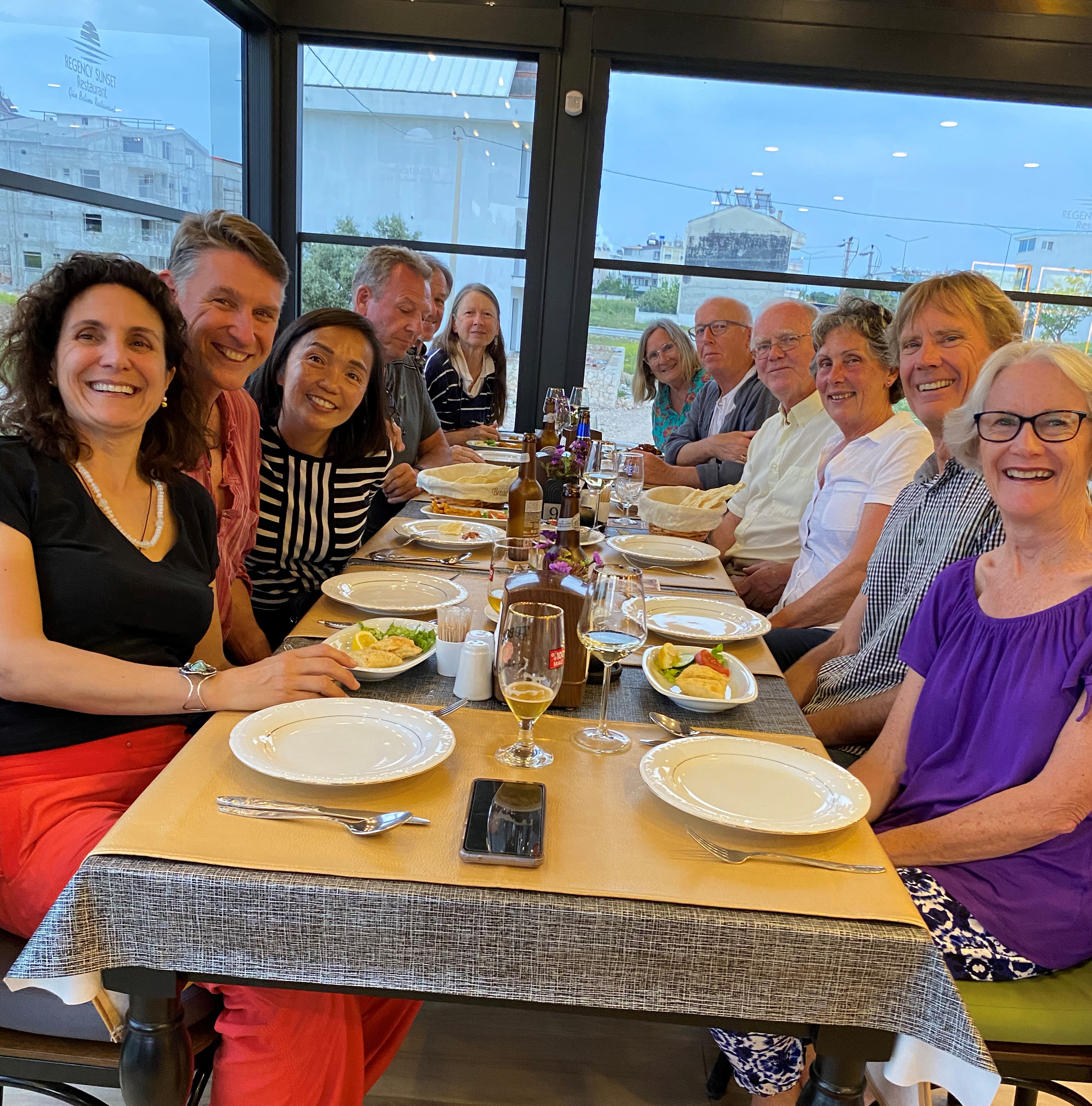
We continued cruising south to Didim, where our friends Adrian and Marianna were based while undertaking work on their boat. Here there were more joyous re-unions, not only with Adrian and Marianna, but also Dot and Jonathon from Sunday, and Jack and Jan from (another) Anthem. We had met these two couples while on the Indonesian rally in 2015, and again maintained contact via social media. So much had happened in our lives since we had last seen each other, re-connecting again was a whirlwind of emotion.
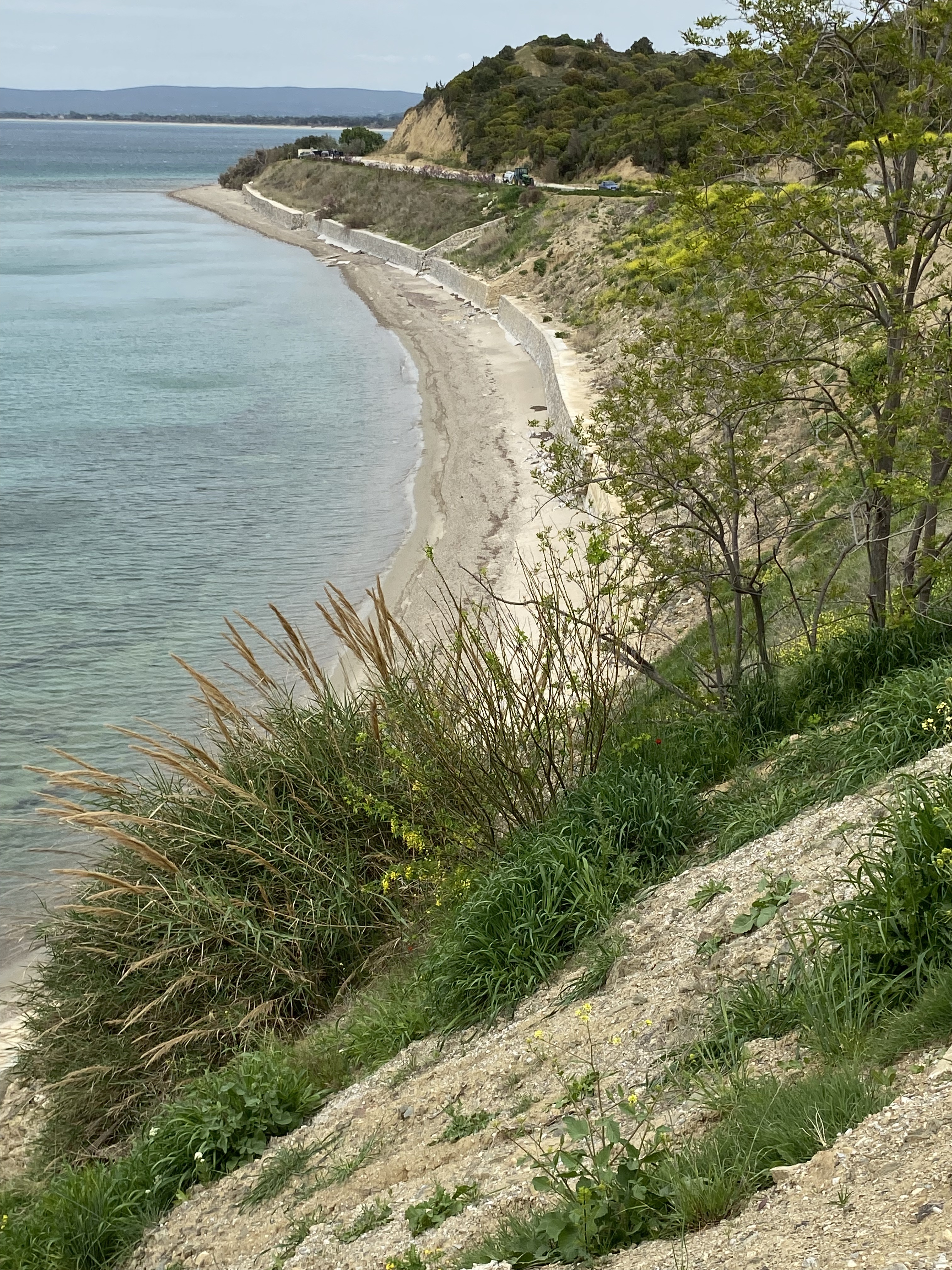
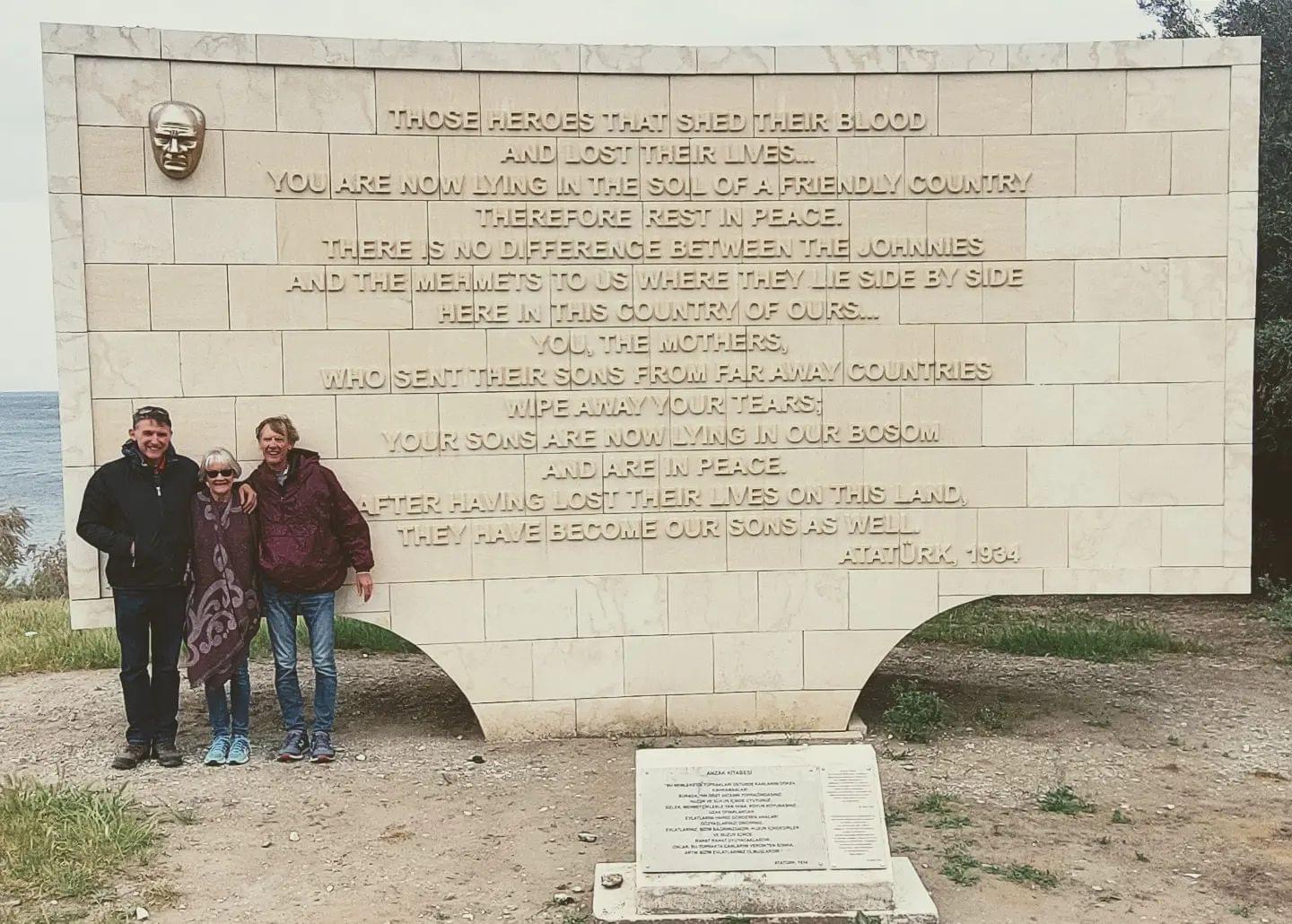
The holidays for Eid al-Fitr, the end of Ramadan, provided Adrian and Marianna, and Jack and Jan, a window of respite from boat work, as the yard and shed were closed. The six of us set off for a long-planned road trip Gallipoli which was to be yet another highlight of our return to Turkey. A visit to the actual peninsula and battle grounds provided us with a more grittier perspective of the campaign than the many stories that Phil, Adrian and I heard during our childhoods. It seemed to me that the whole campaign, the ultimate goal of which was to take control of Istanbul and the Dardenelles, was doomed from the start, and ended up being an utter waste of young lives. The peninsula now is a national park and I expect it is much greener than it was in 1915. It is a hauntingly beautiful area, and you can’t help but be moved by the stories of honour and friendship between the ANZAC and Turkish troops, and the immortal message of comfort sent by Attaturk to the mothers of the men who died on, and are now buried in, Turkish soil.


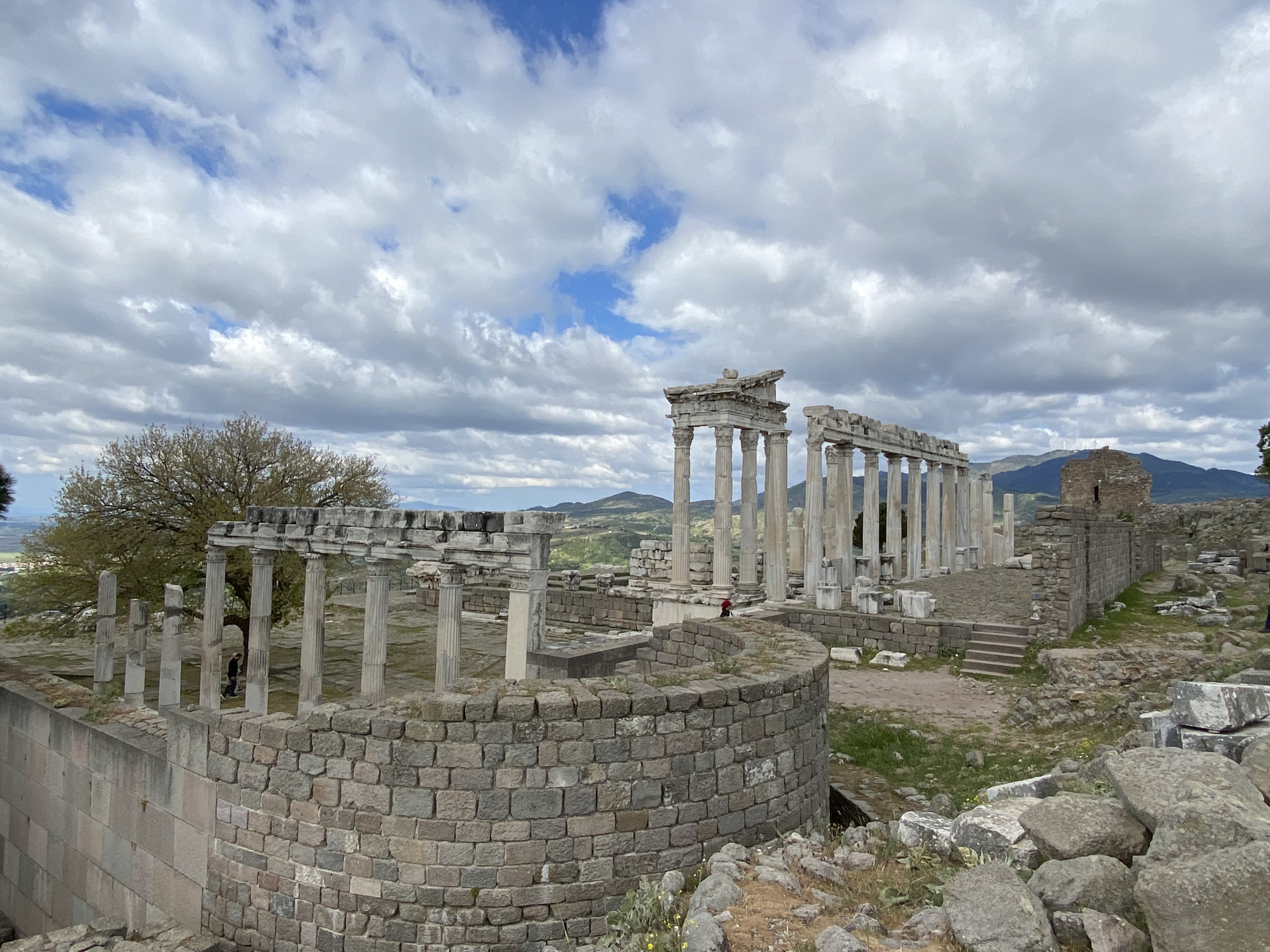
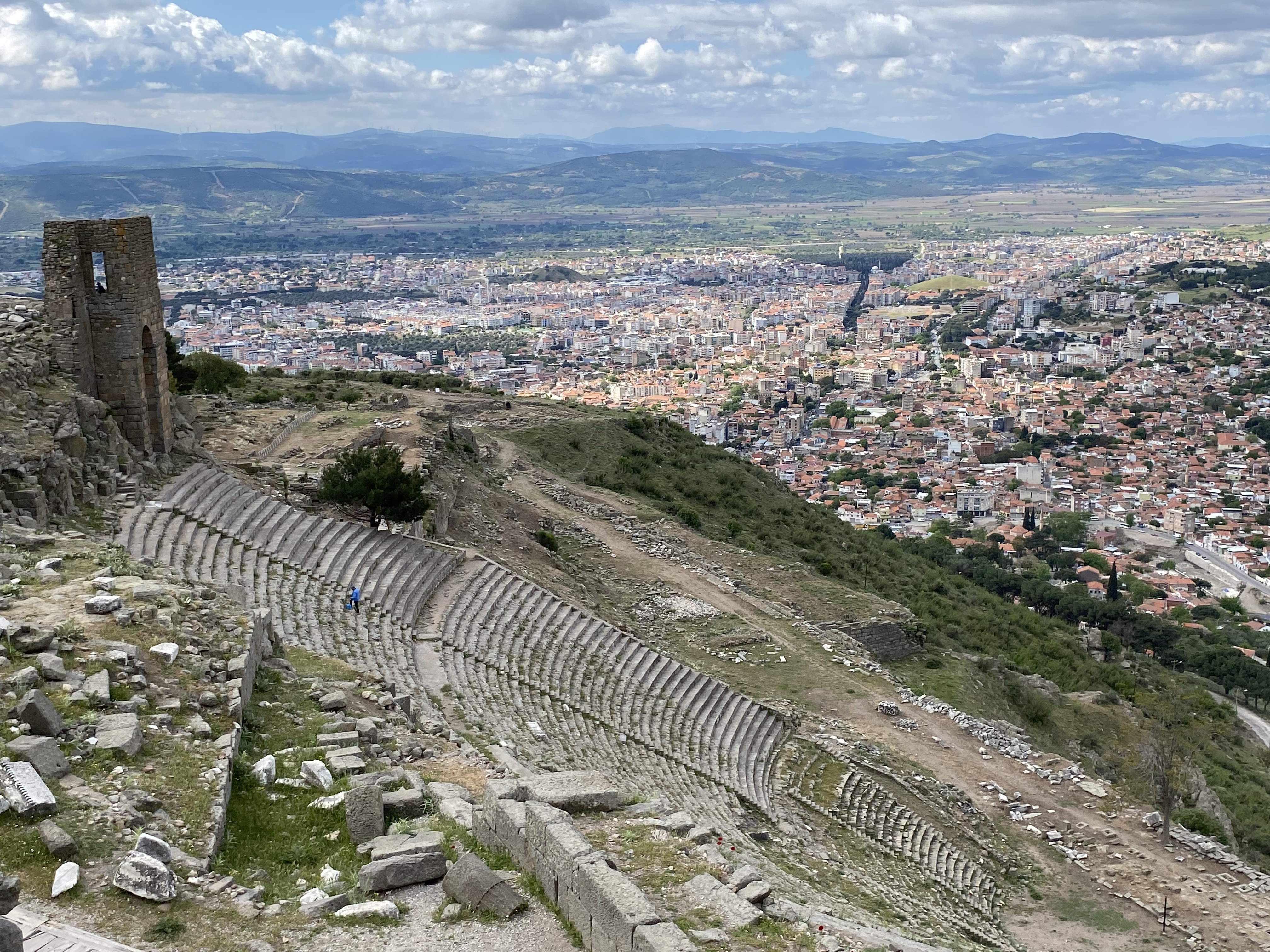
On the return trip from Gallipoli to Didim, Marianna suggested a visit to Bergama and the ancient city of Pergamon. What a delightful detour that turned out to be! Pergamon was easily equal in scale to Ephesus, but lesser known and not as well preserved. It is a magnificent site, perched very high atop a mountain. Under Greek rule, it reached its golden age 197-159 BC with a peak population of about 200,000. It was bequeathed to Rome in 129 BC, when the last Greek ruler had no heirs.
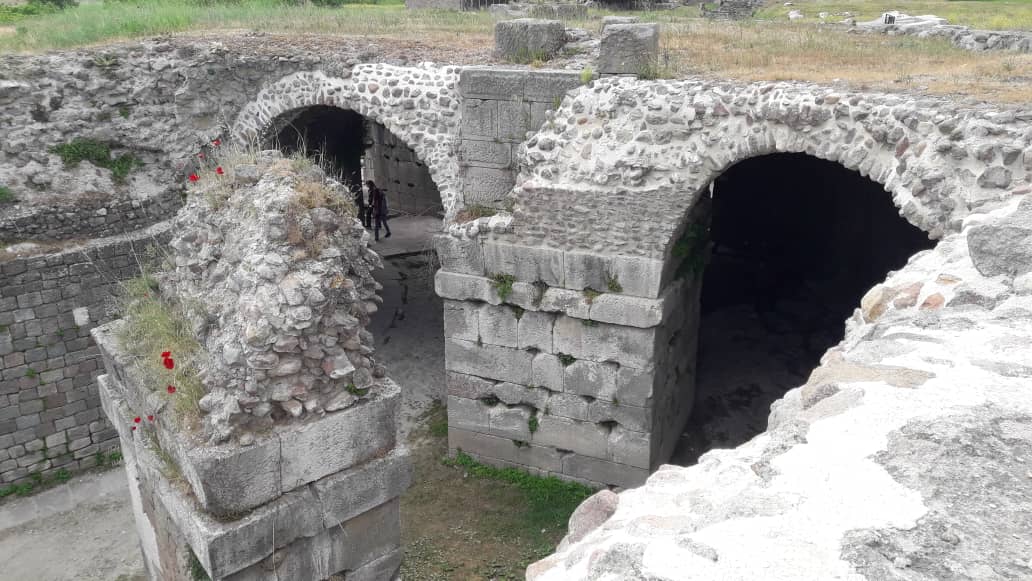
On the plain below the site of the ancient city, are the ruins of the asklepion – one of the most important healing centres of the Roman world. The physician Galen was based here and he contributed significantly to our understanding of the circulatory and nervous systems.
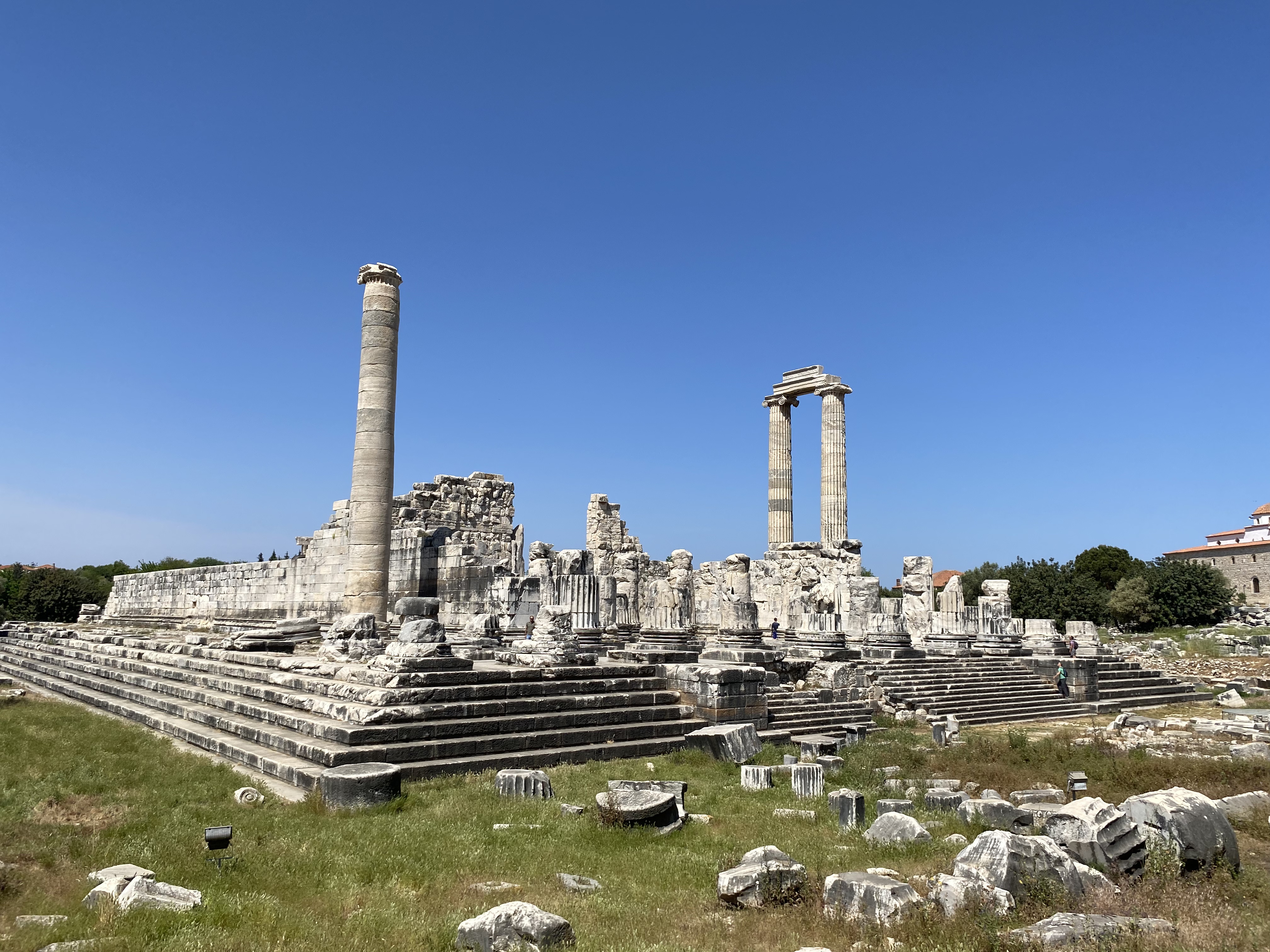
As we had now visited the big three destinations that were priorities for us this trip – Istanbul, Ephesus, and Gallipoli, we then embarked on what I called Phil’s highlight cruise of the south west corner of the Turkish coast. Before we left Didim, we visited the Temple of Apollo in what had been ancient Didyma – not a city as such but a religious centre. The temple had been the second largest in the ancient world, according to the signs there, and was completely made of marble! People visited the temple to make offerings to the oracle of Apollo and to participate in the annual festival, which comprised athletic and musical competitions. The winners of various athletic events were sometimes immortalised in statues erected in the temple grounds, and I was struck by the modern parallel of erecting statues of sporting greats in the area around the Melbourne Cricket Ground.
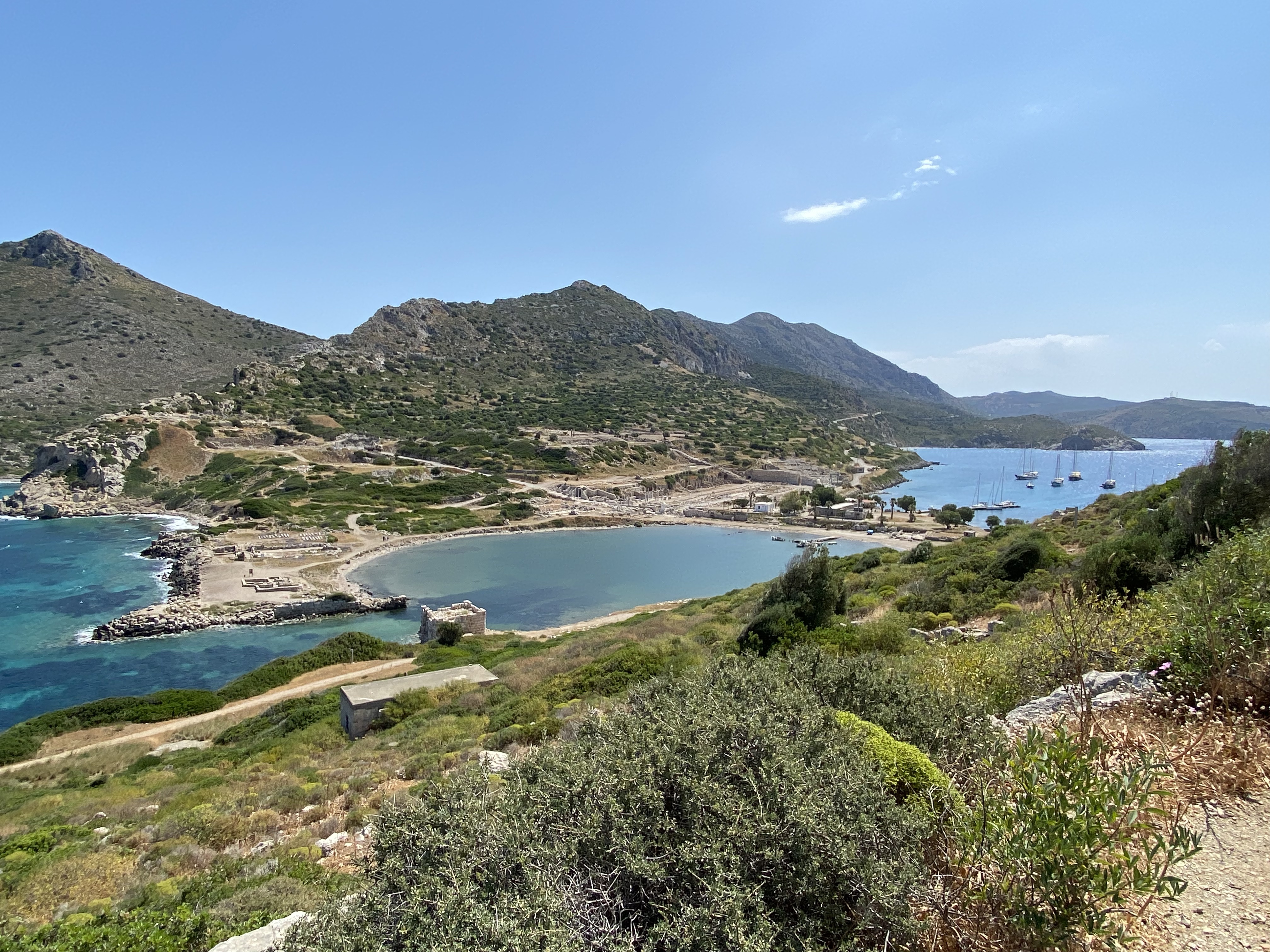
We spent five days day sailing from Didim to a delightful bay near the town of Orhaniye, where Phil spent 5 weeks on the boat in 2020 during one of Turkey’s lockdowns. Phil enjoyed sharing it with me, and showing me the ruins on the uninhabited small island next to the anchorage. Given that we were not able to actually share life during that time, there was a sense of closing the circle in being there together now that restrictions had eased.

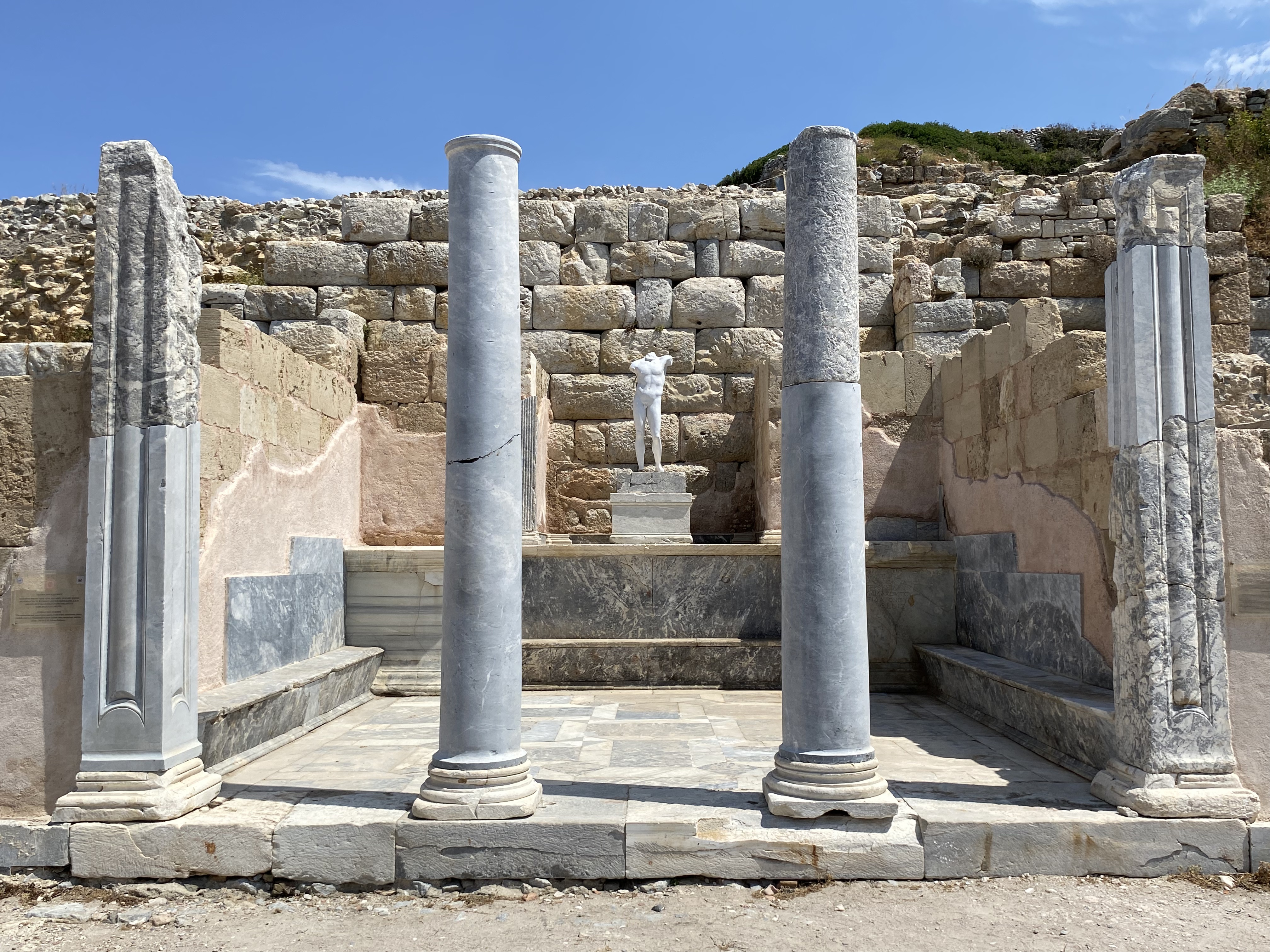
We sailed on to Knidos Harbour on the tip of the Datca peninsula, where there were more ancient ruins to visit. The site here is a bit different to the geographically elevated positions of others we had visited, being mostly located at sea level around the harbour, with some buildings spread out up in the hills surrounding the harbour. It was an important commercial centre, had a medical school ad was the site for the observatory of the astronomer Eudoxus.
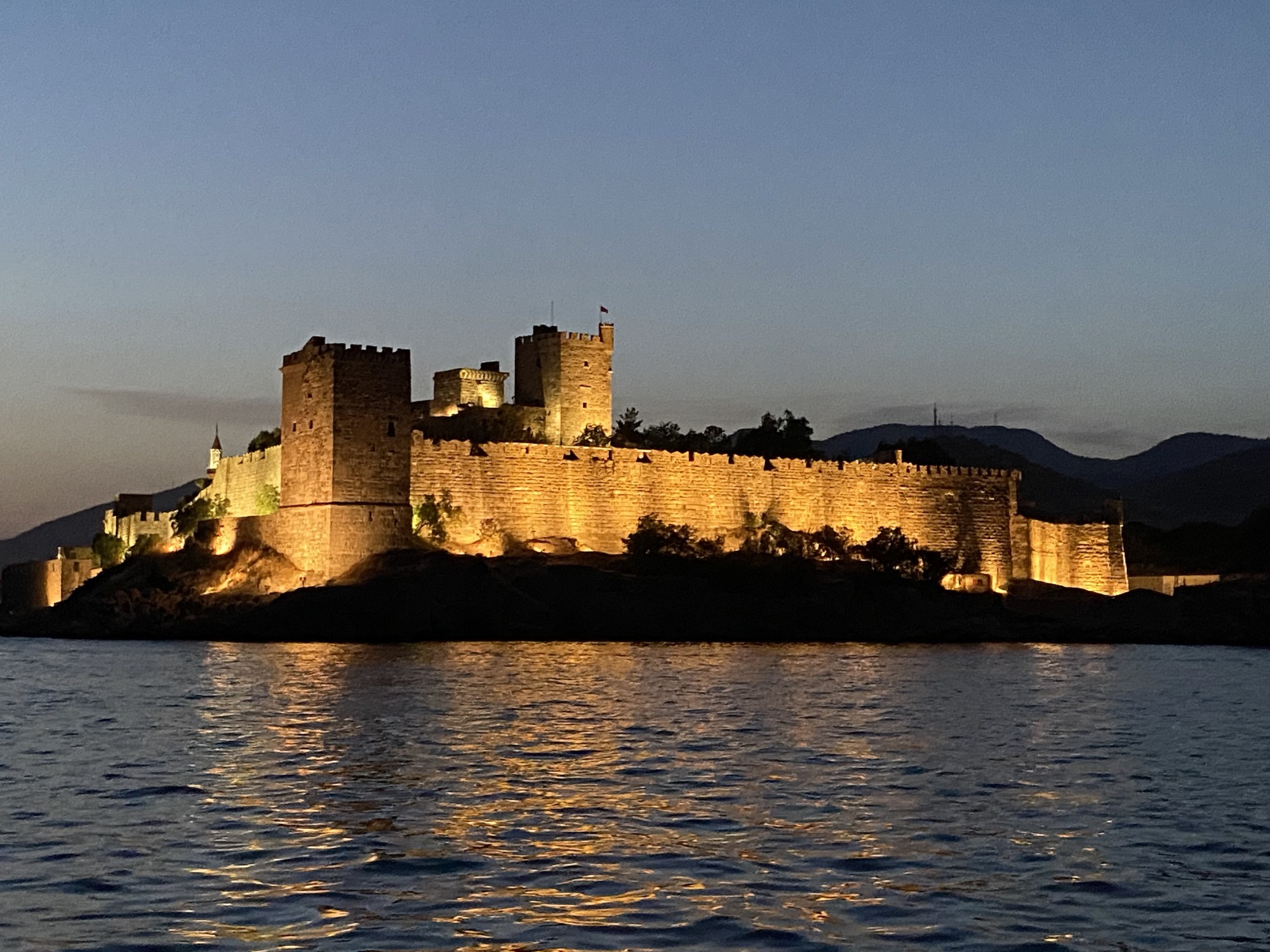
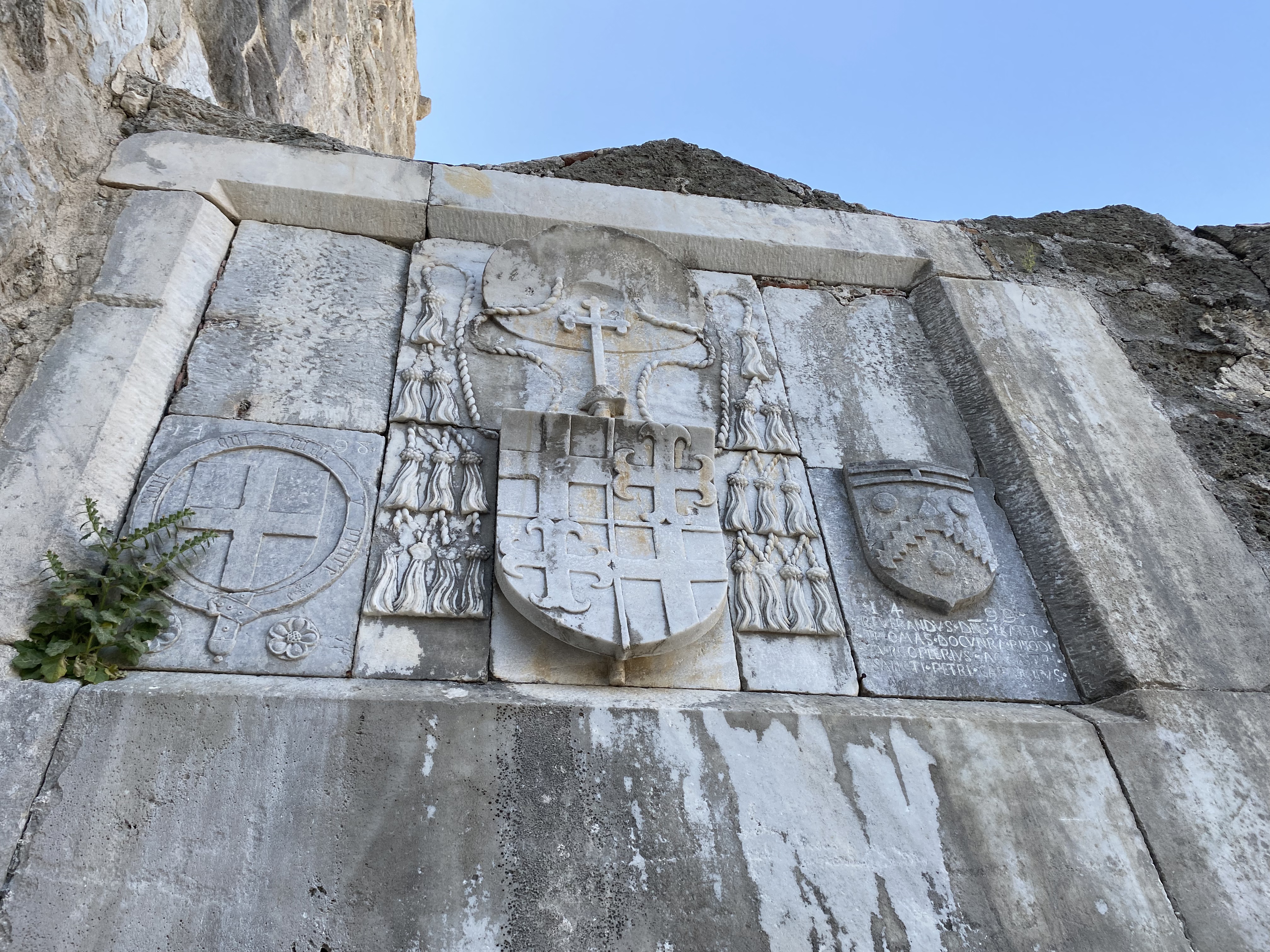
The grand finale of Phil’s highlight tour was Bodrum. We anchored within view the Bodrum Castle which makes for a magnificent backdrop, especially at night. The castle was built from 1402 onwards by the Knights of St John. It has four towers each built by a different national group: English, French, German and Italian. The Knights must have had a bit of time (or money) on their hands as there are 250 individual crests throughout the castle complex. There is a peaceful atmosphere in the castle grounds – a lovely place to sit and contemplate.
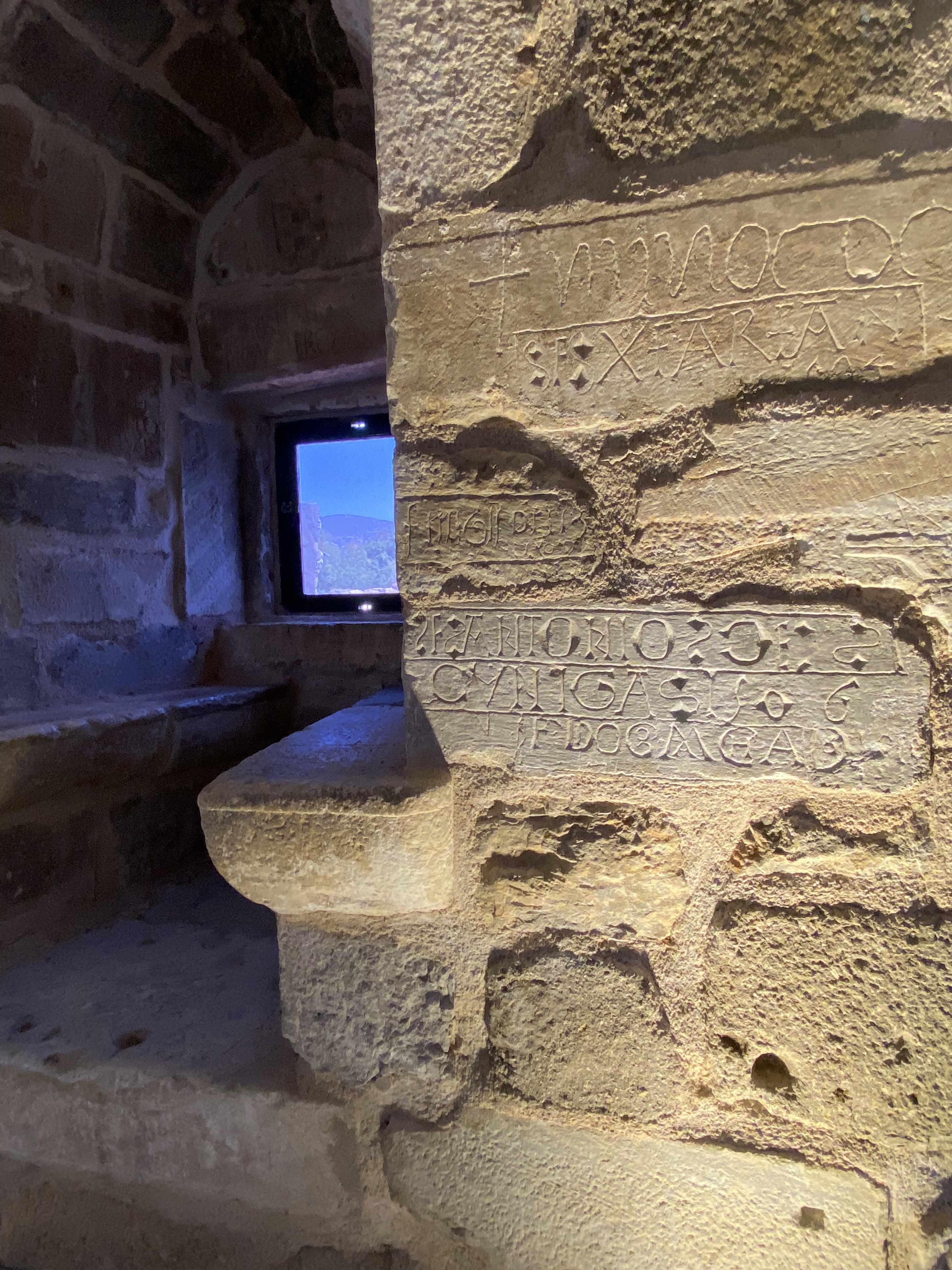
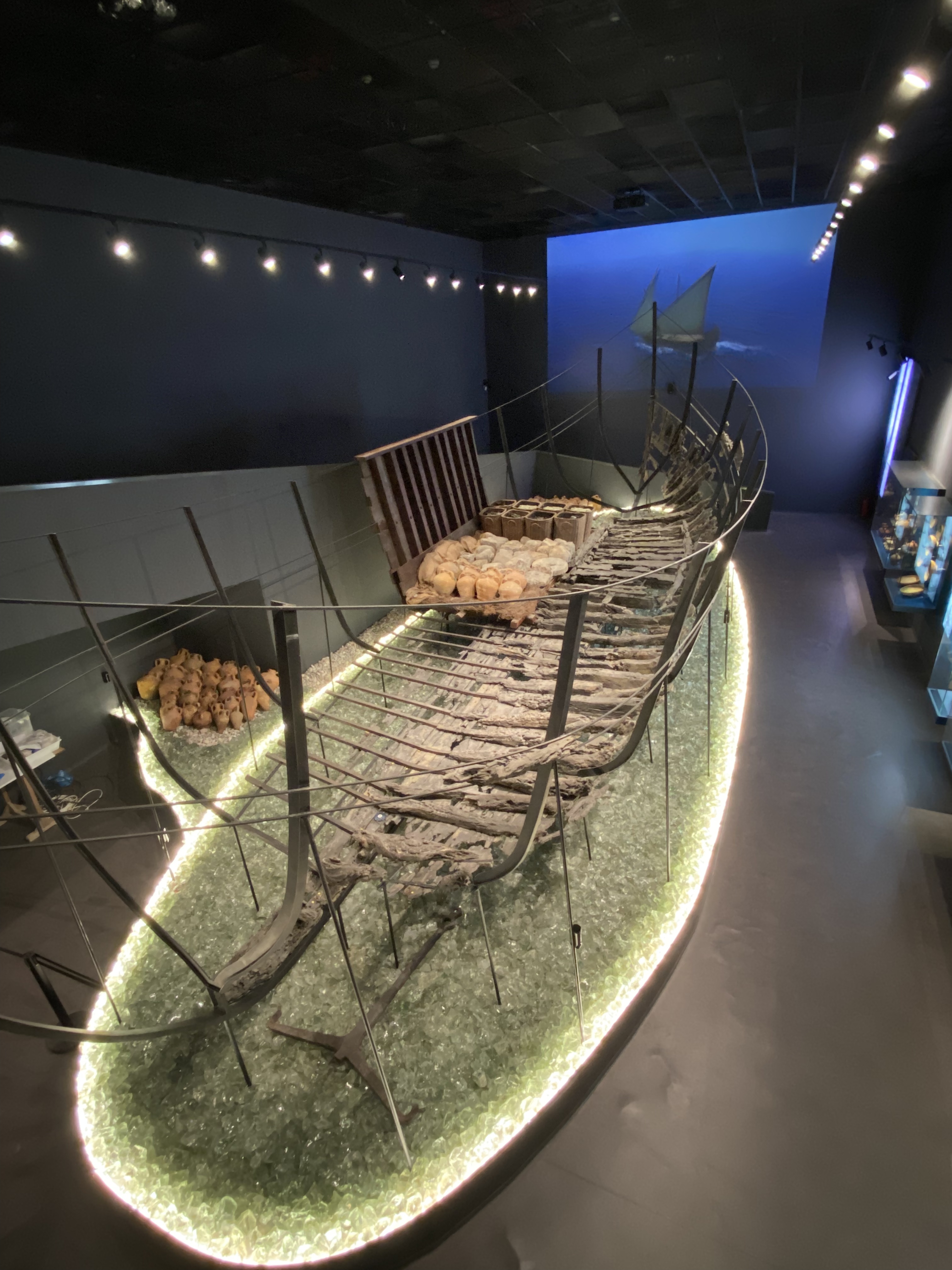
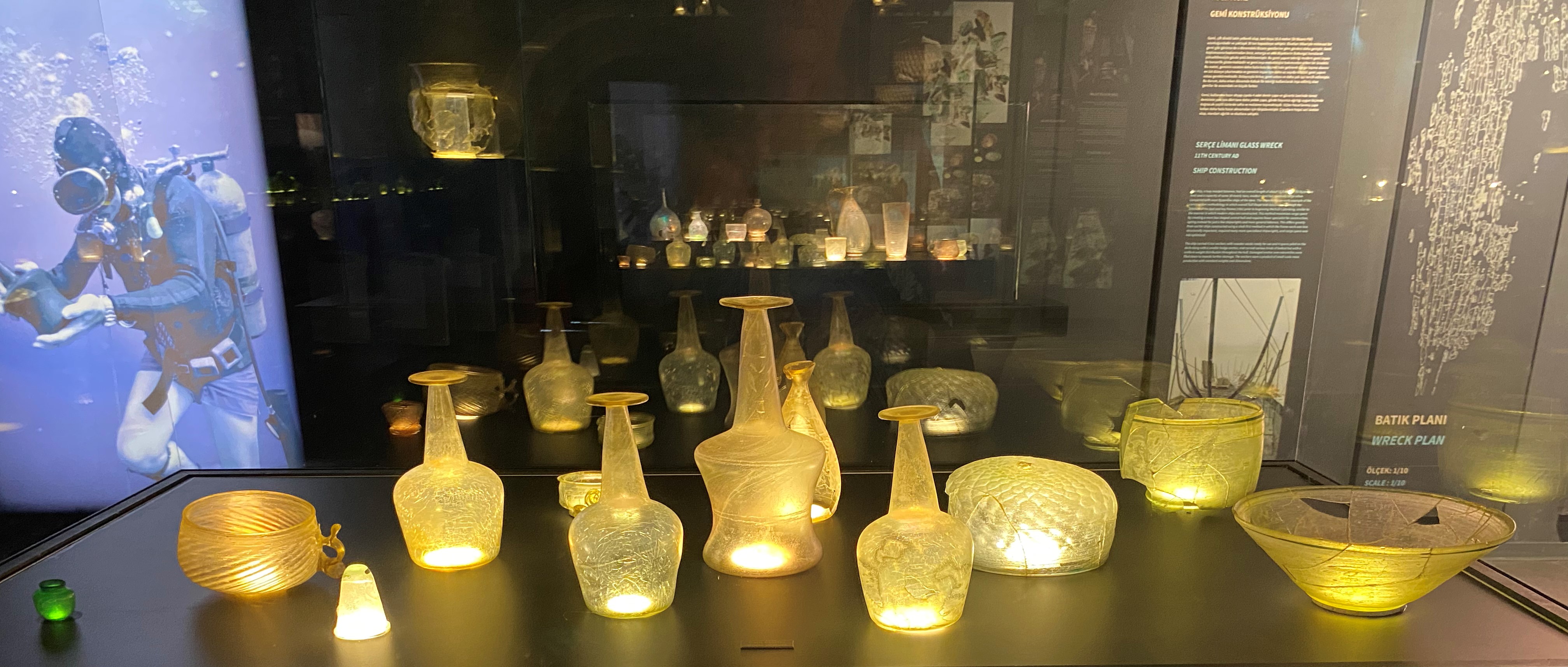
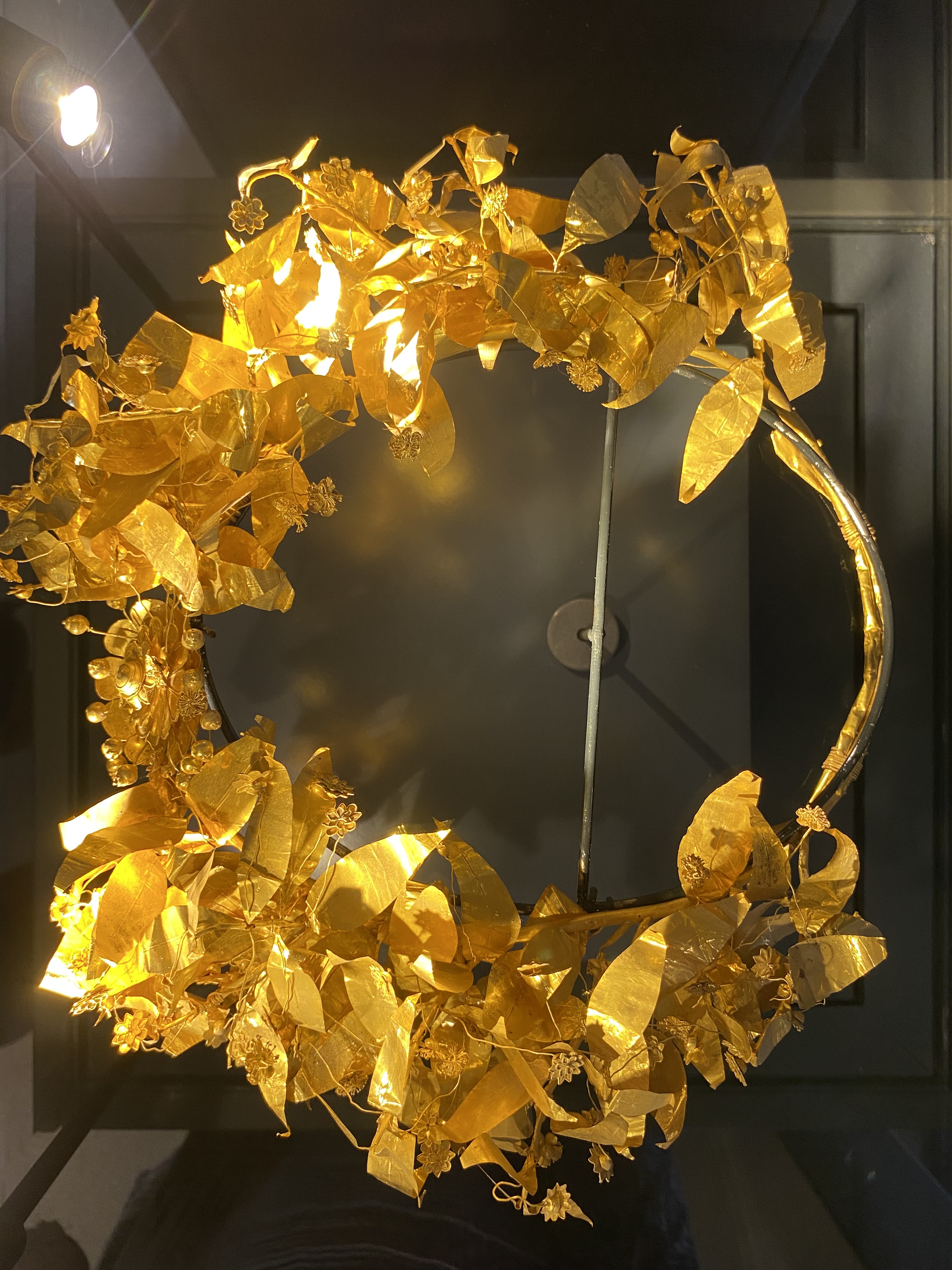
The castle houses the Bodrum Museum of Underwater Archeology which is an excellent museum housing ancient shipwrecks and the items recovered from them. This sounds like it might be fairly boring but we were fascinated. The science of underwater archeology was started by an American called George Bass who was the first to apply the principles of land based archeological excavation to underwater recovery of shipwrecks off the Turkish coast. Top exhibits included a reconstruction of the “glass” shipwreck which was a Byzantine ship sunk in 1026 by anchor failure. The exhibit shows the ship pieced together with timber salvaged from the wreck, and pieces from its cargo of glassware, raw glass, and broken glass for recycling. A video of interviews with the team who worked on the excavation showed that their excitement was still palpable many years later. A second exhibit of the “Gelidonya”, with its cargo of metal for making bronze implements was also very interesting. The data gathered during the excavation of this shipwreck apparently re-wrote the history of the Bronze Age. The most jaw dropping item in the museum is a gold leaf crown which was found buried with the remains of an aristocratic woman found in the necropolis of ancient Bodrum.

Leaving a country for us is usually a mix of sadness about endings on the one hand, and anticipation of new adventures on the other. This time we were ready to leave Turkey behind as we felt we had been marking time there since 2019. Not that we had physically been there all that time, but we were itching to move on. So we happily found ourselves checking out – well actually we were not happy by the time we had finished checking out. The process in Bodrum required us to visit the agent first to shore up the documentation, then return to the boat and take it around to the customs wharf so we could visit immigration, get our passports stamped and be on our way. Docking at the customs wharf required Med mooring which meant we had to reverse back to the wharf, drop anchor and then tie a couple of stern lines to the wharf. Sound simple? On a calm day, it would be. But there was a cross wind which was blowing us off course as we reversed to the dock. If there was plenty of room, that would not be too much of a problem. But the officials, waving their arms and yelling things we couldn’t hear (let alone understand), wanted us to reverse into a tight space between two large vessels, and it just couldn’t be done. In the end, we reversed up to the end of a dodgy pontoon where we were subject to the swell caused by the frequent ferries from Greece that also dock at that wharf. We each then had to leap off the boat and in turn visit the immigration desk in the ferry terminal, with our agent doing his best to hurry us along so we could get through before the hoards disembarked from the ferries. Greece here we come!
(PS Apologies if this blog appears a bit wonky – WordPress have changed a few things since I last did a blog and I haven’t had the patience to persevere with some of the layout issues)
 paseafique
Charming account opening such great history to folk bond to the shore. Thank you for your diligent blogging. So wonderful to that you and Phil and Paseafique are back together and breathing again. wishing you all the very best in this almost new chapter.
LikeLike