August 2022
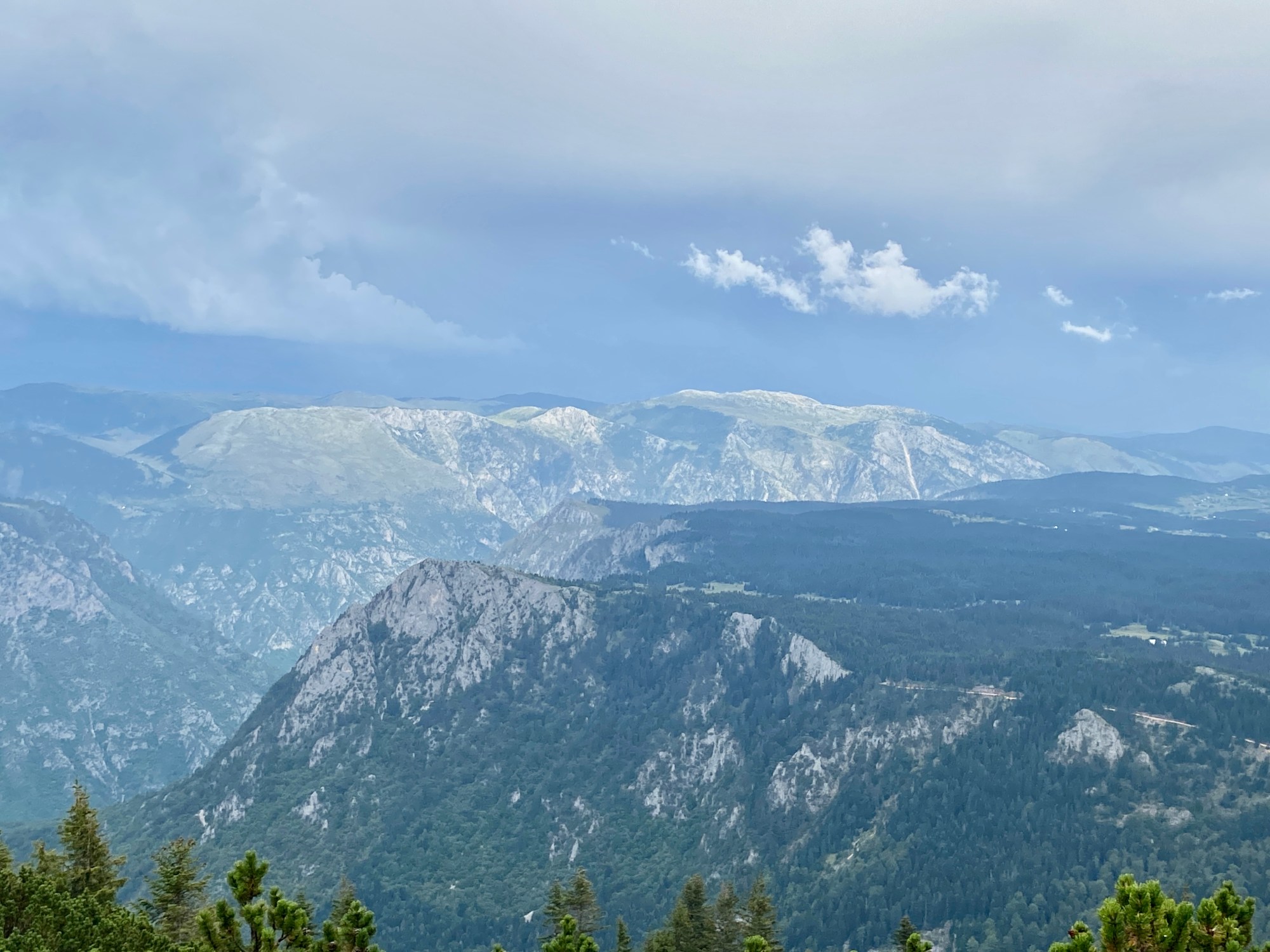
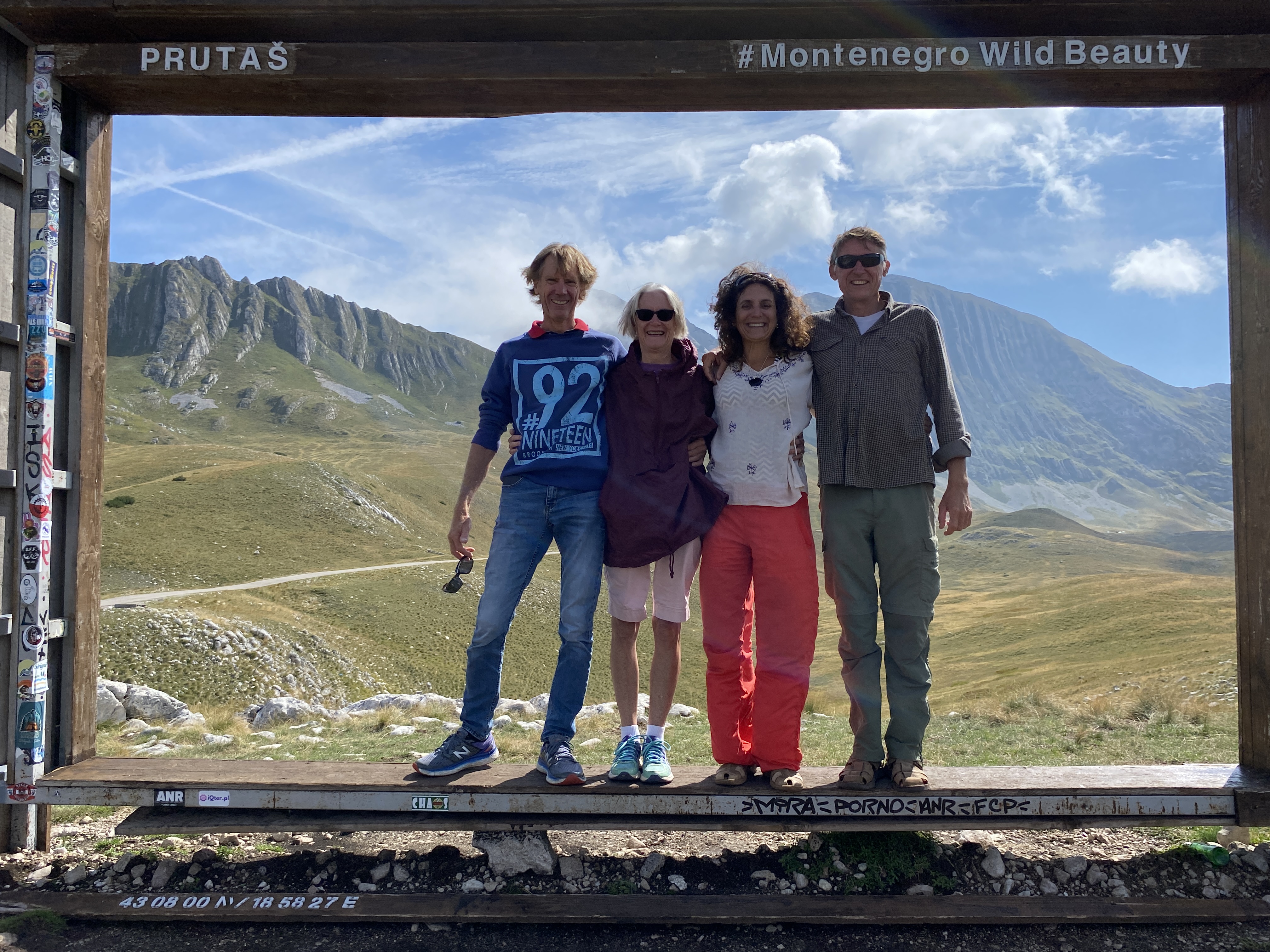
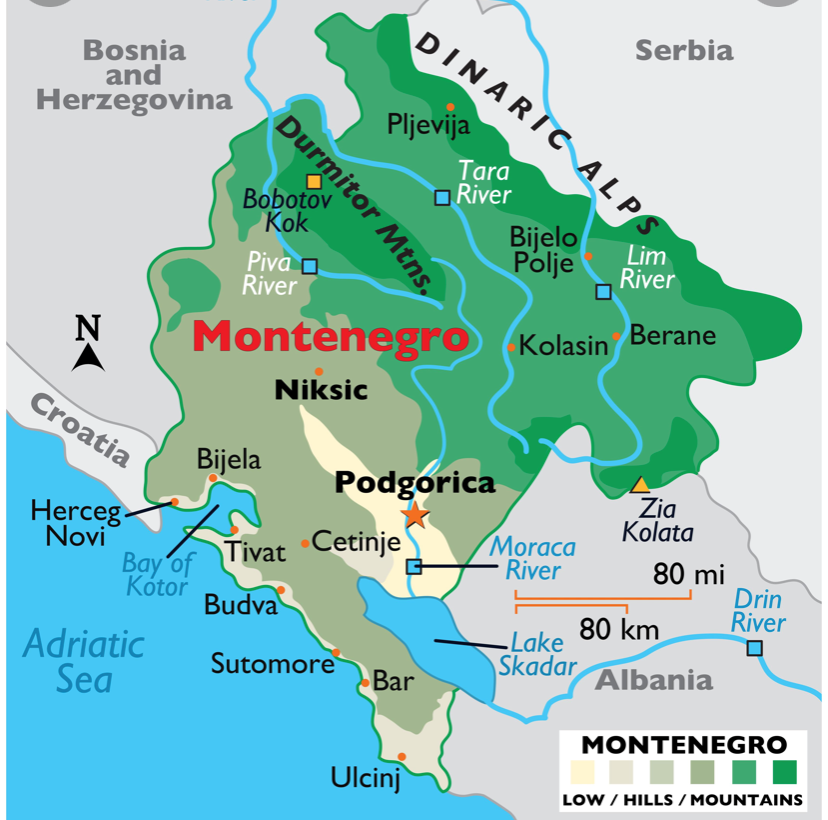
Durmitor National Park in northern Montenegro is the country’s largest protected area and is a stunning landscape created by glaciers, numerous rivers and underground streams. It has 50 peaks that are higher than 2,000 metres above sea level, and numerous glacial lakes, known as “mountain eyes”. The area is comprised of limestone and covered in European Black Pine and many other plant species. We (Phil and I, and Adrian and Marianna) decided on a visit to this park as the focus for our Montenegrin land trip.
Not long after arriving in Montenegro, we found ourselves in Budva and felt that this was a secure anchorage for leaving the boats, and with an upcoming period of relatively calm weather we arranged a hire car – a very straight forward process compared with our experience in Durres, Albania. While the big boats were secure, we had to find a solution for leaving a dinghy ashore while we were away. The beach at Budva is literally packed with sun lounges and umbrellas and almost all of the shoreline is roped off for swimming making landing the dinghy ashore almost impossible.
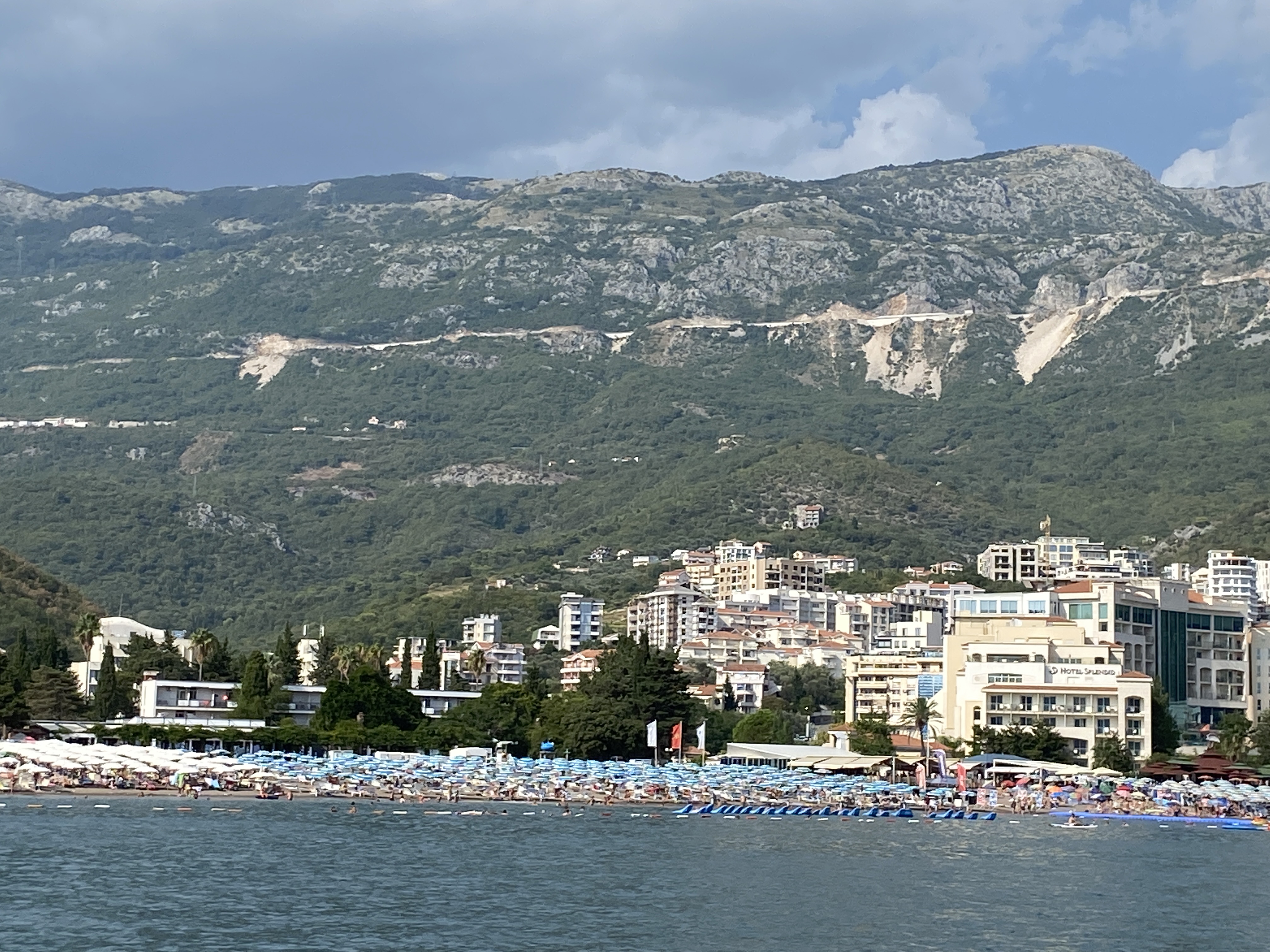
There was a small craft dock but this was not accessible to us, as it was used for small tour boats and the owner was not willing for us to use it. So Adrian and Phil came up with a plan to leave the dinghy attached to our own mooring made with an anchor and mooring buoy, and rigged up with a return never ending line to shore which would enable us to go ashore and then send the dinghy back to the mooring using the line (and vice versa when we came back). So all was prepared for us to set off to see some of inland Montenegro.
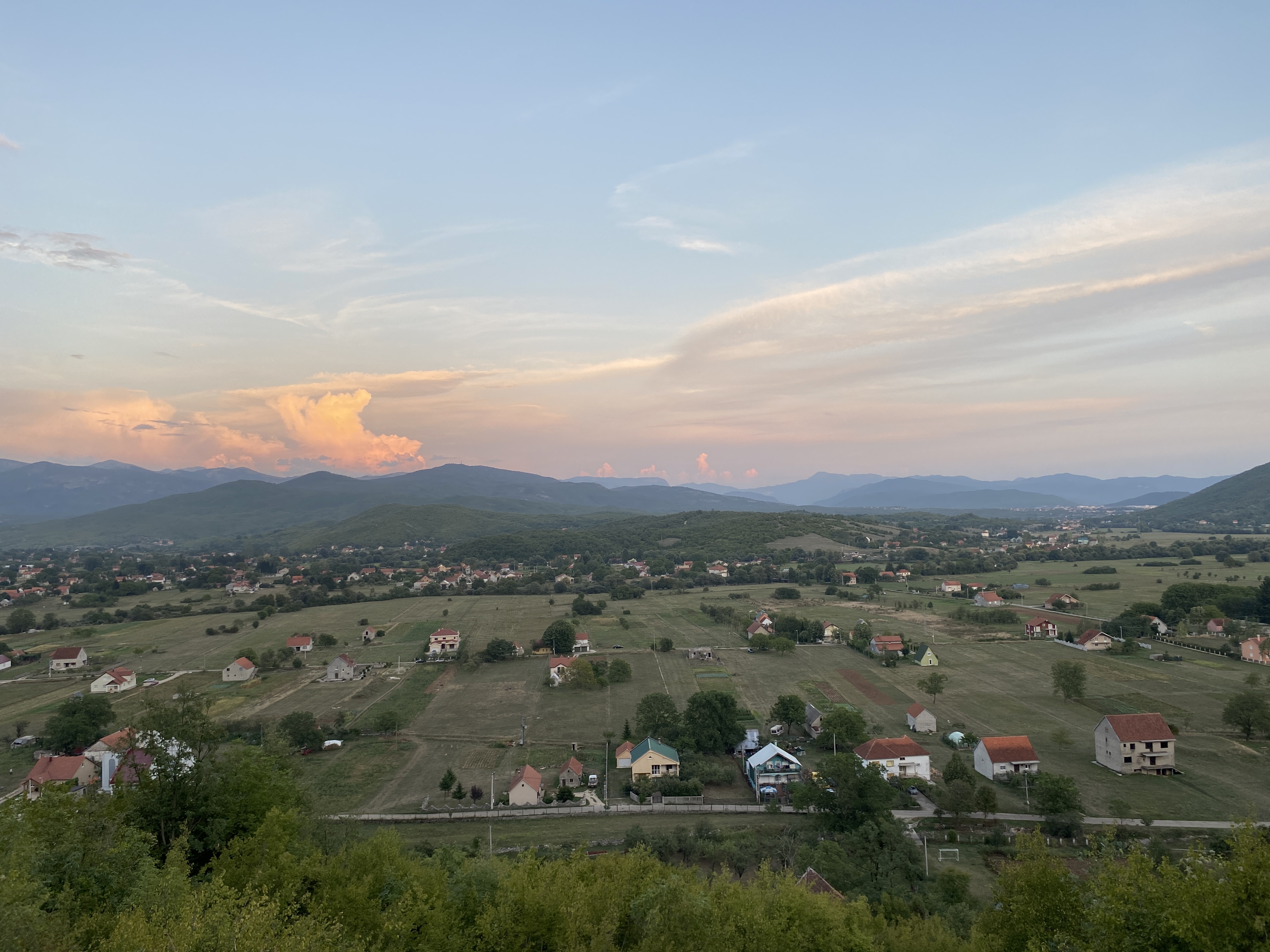
There is a 76 kilometre circular route through Durmitor National Park, and the most convenient starting point for us was Zabeljak (I just love saying that name), which is the town that serves as a base for walkers and kayakers in the summer, and skiers in the winter. On the way to Zabeljak, we passed through both the old and new capitals (Cetinje and Podgorica respectively), and also visited the Ostrog Monastery.
Cetinje was founded in 1482 and it was the capital of Montenegro until 1946. It is a lovely quiet mountain town with lots of trees and some beautiful old buildings and former mansions.
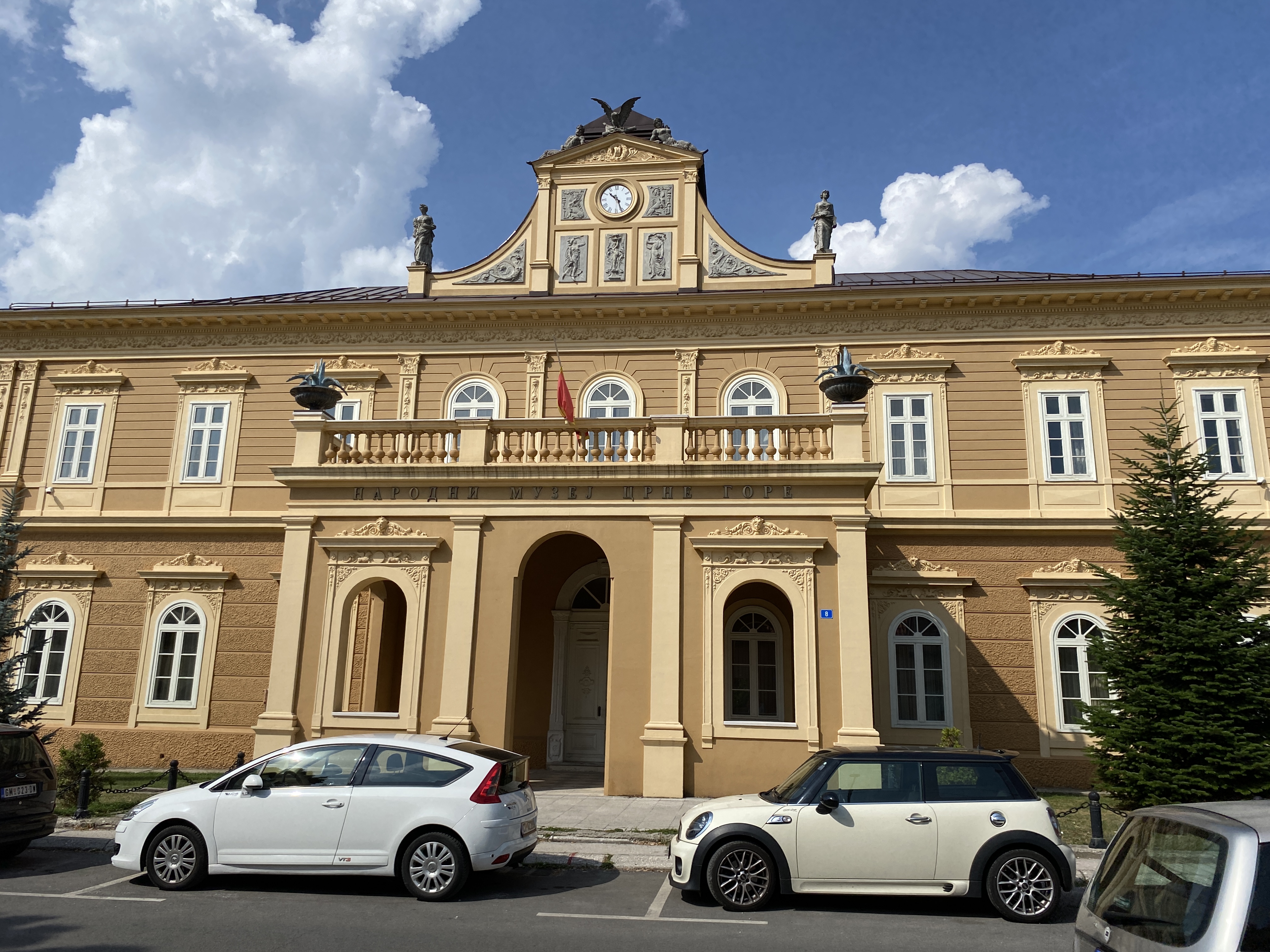
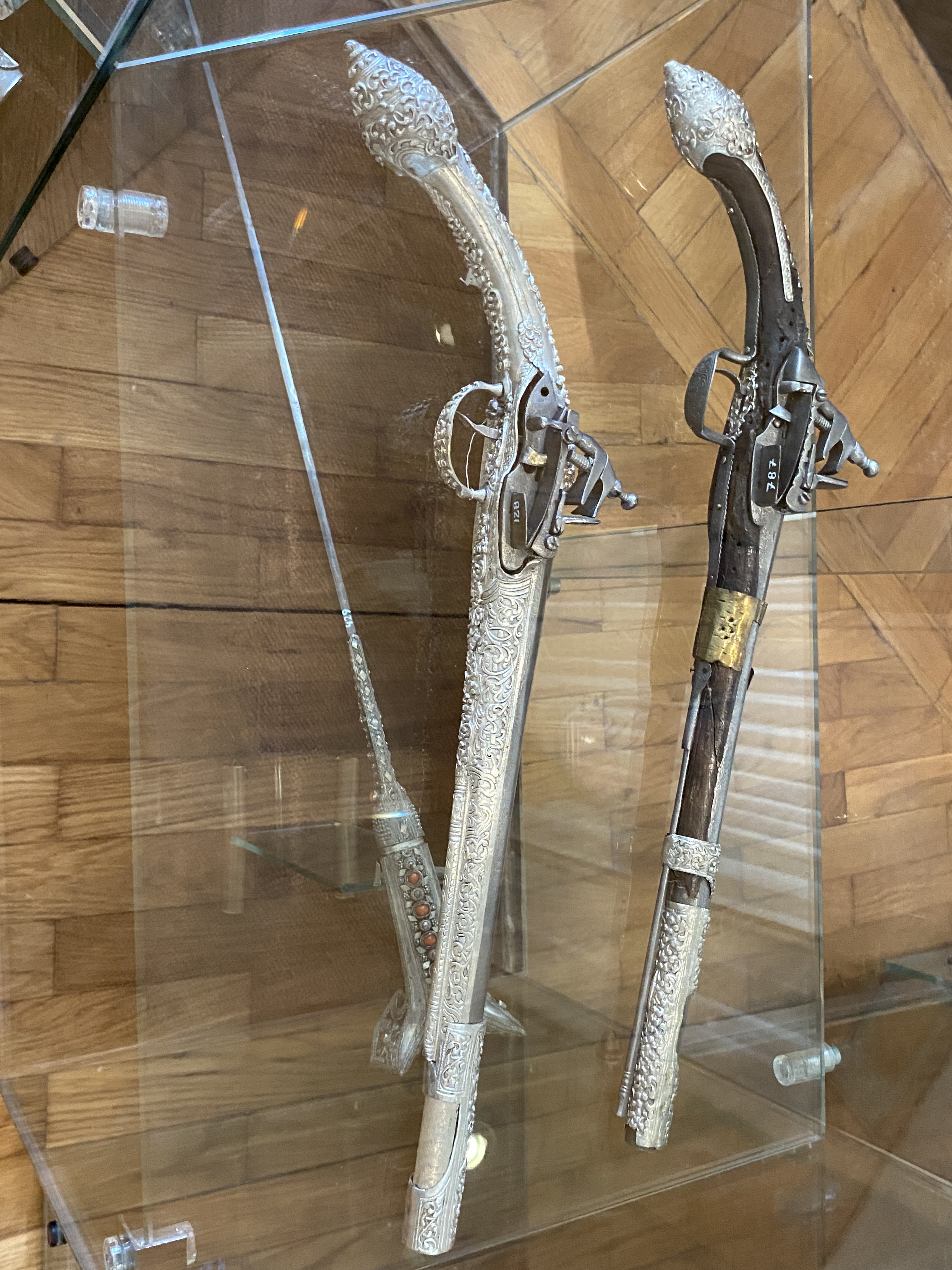
Here we visited the National History Museum housed in a former Parliament building, and spent a few hours in there, trying to piece together the history of Montenegro as a country from the rather disjointed and limited English signs. Without a whole lot more research, anything I say here about its history will be disjointed too, and probably inaccurate, so I’ll steer clear of it.
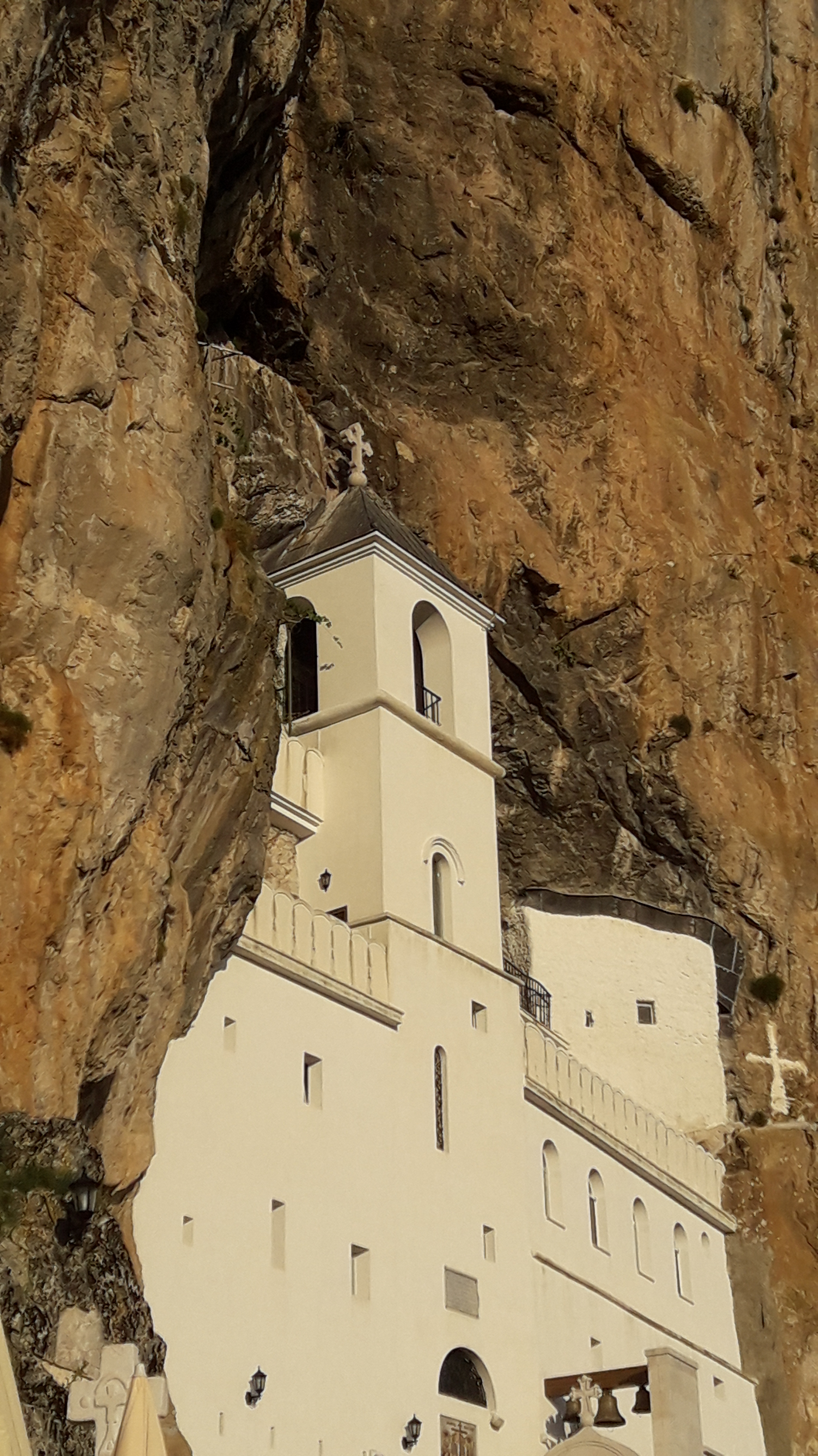
In comparison with Cetinje, Podgorica didn’t have the old-world charm, and after a quick tour around, we continued on north to the Ostrog Monastery. Ostrog is considered by Orthodox Christians as Montenegro’s holiest site. About 1 million people visit each year and some pilgrims actually sleep in the large open air courtyard. It was constructed in 1665 within two large caves in a cliff face 900m above the valley below. It seems to have been founded by St Basil, a bishop, who brought his monks there after the Ottomans destroyed a nearby monastery. St Basil’s bones, wrapped in fabric, are kept in a shrine within the complex. We climbed the steep and longish stairway, but we did not do it in bare feet like many of the pilgrims.
So after this very full day, we arrived in Zabeljak, booked into our accommodation, had a late dinner and fell into bed.

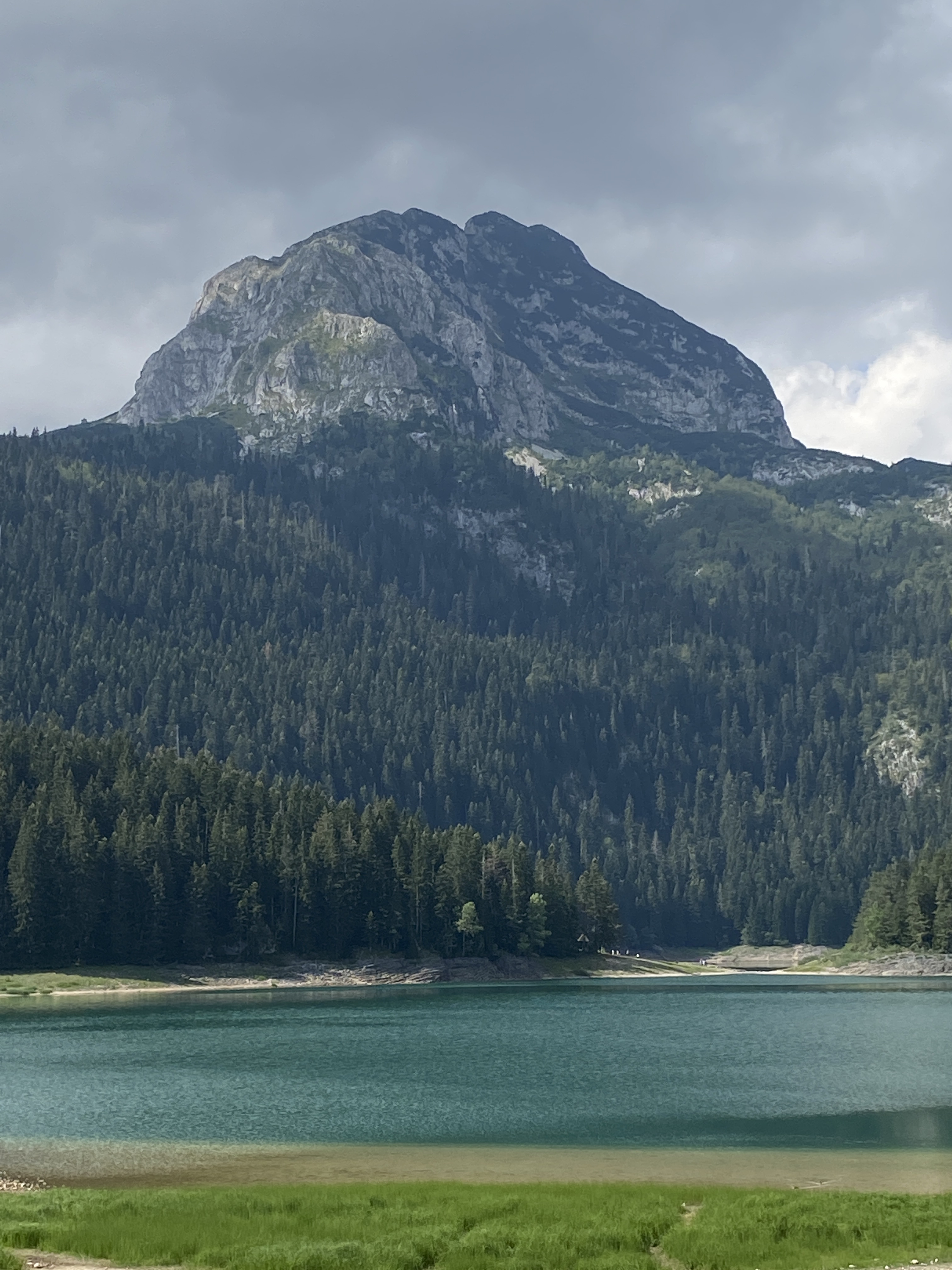
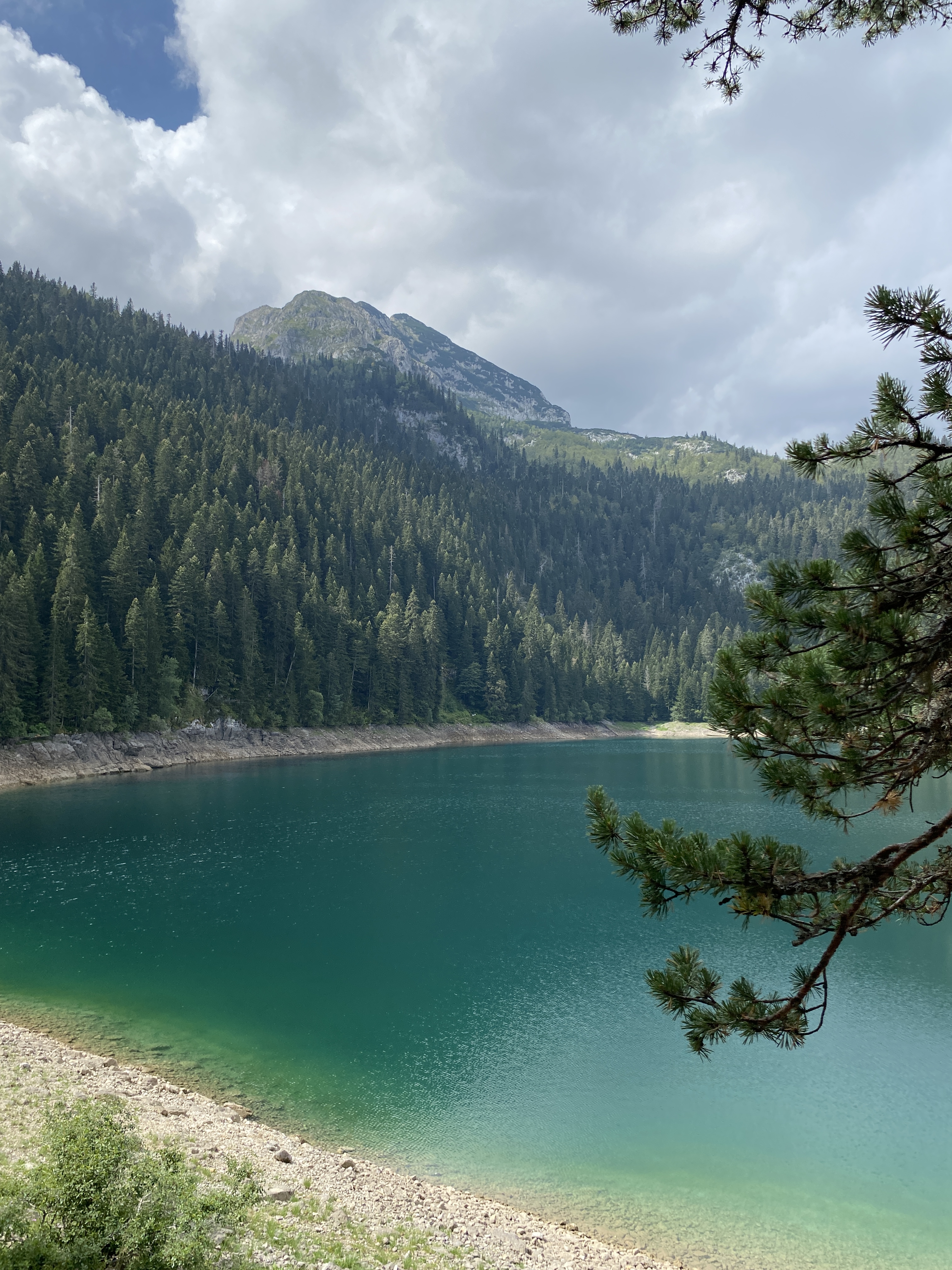
We thought that we would likely do the Durmitor ring road in one day, after all it is only 76 kilometres around. How wrong we were! We started off with a walk around the Black Eye Lake, reputed to be the best of the many glacial lakes in the area. It is actually two lakes joined by a narrow piece of water, but this is only apparent in summer when the water is low enough. At other times, it appears as one lake. The walk around the lake was just lovely- gorgeous views no matter where you looked. The weather was looking a bit dim, and we heard frequent thunder – it really was like the mountains were talking to us.
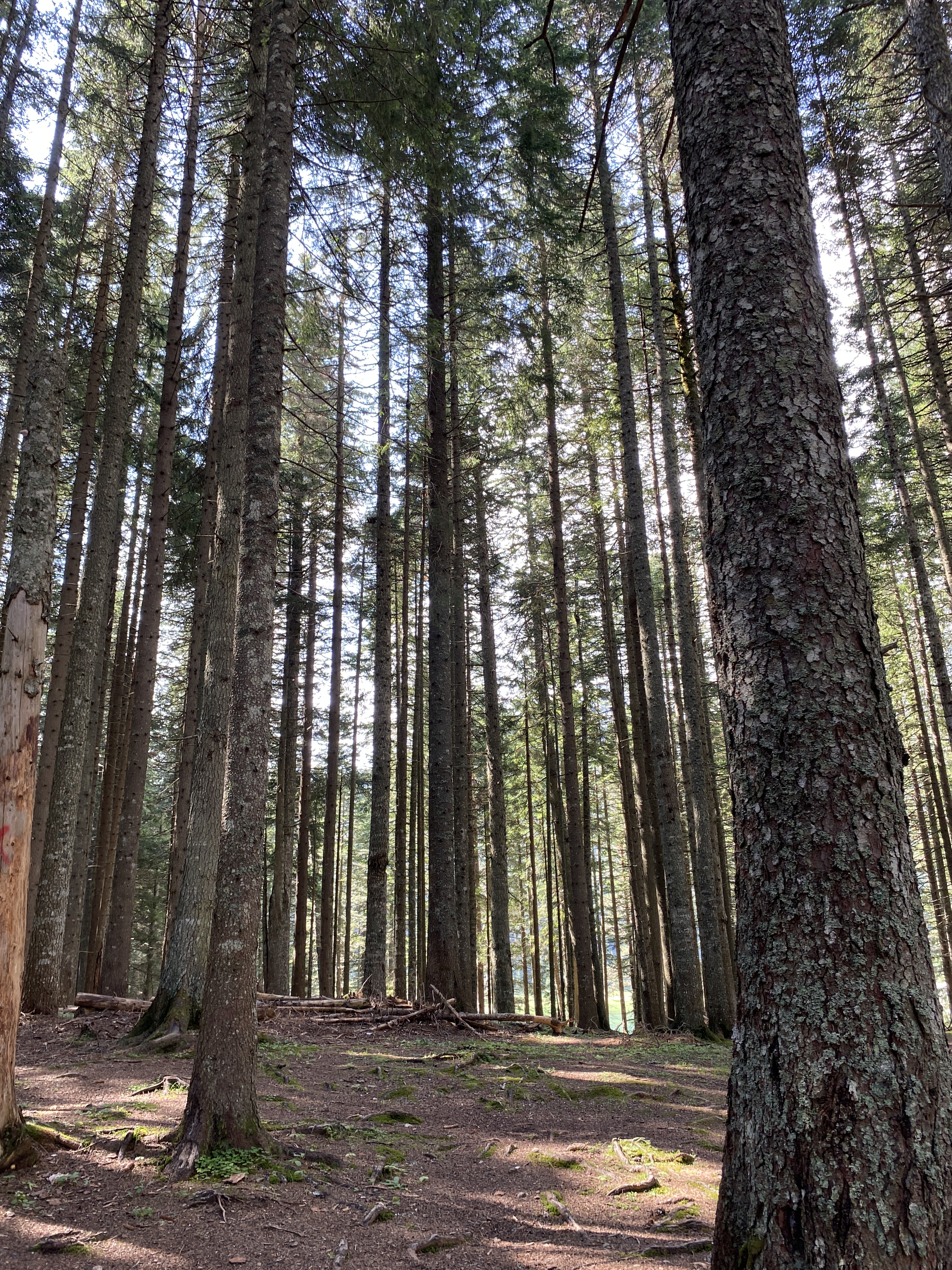
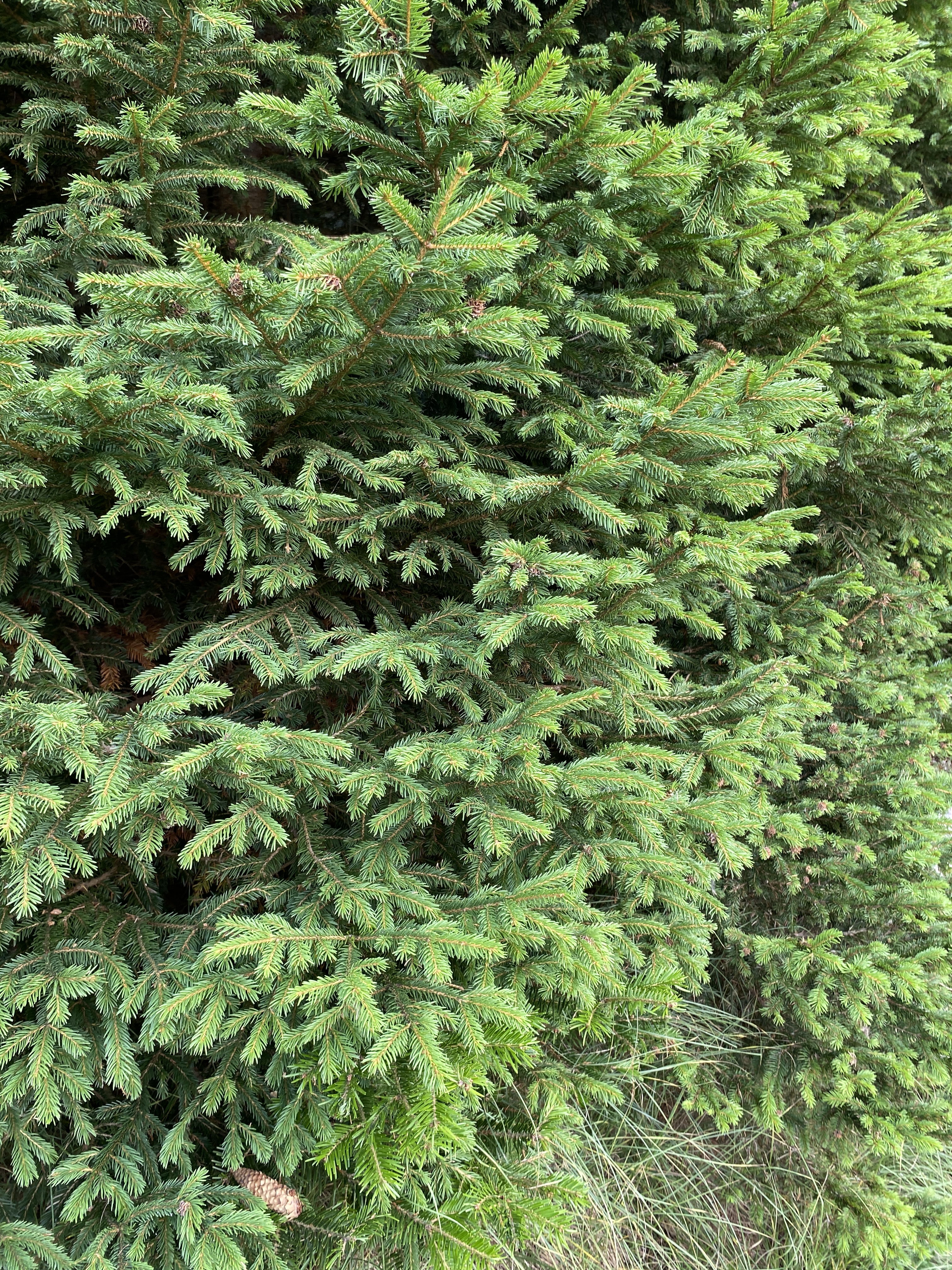
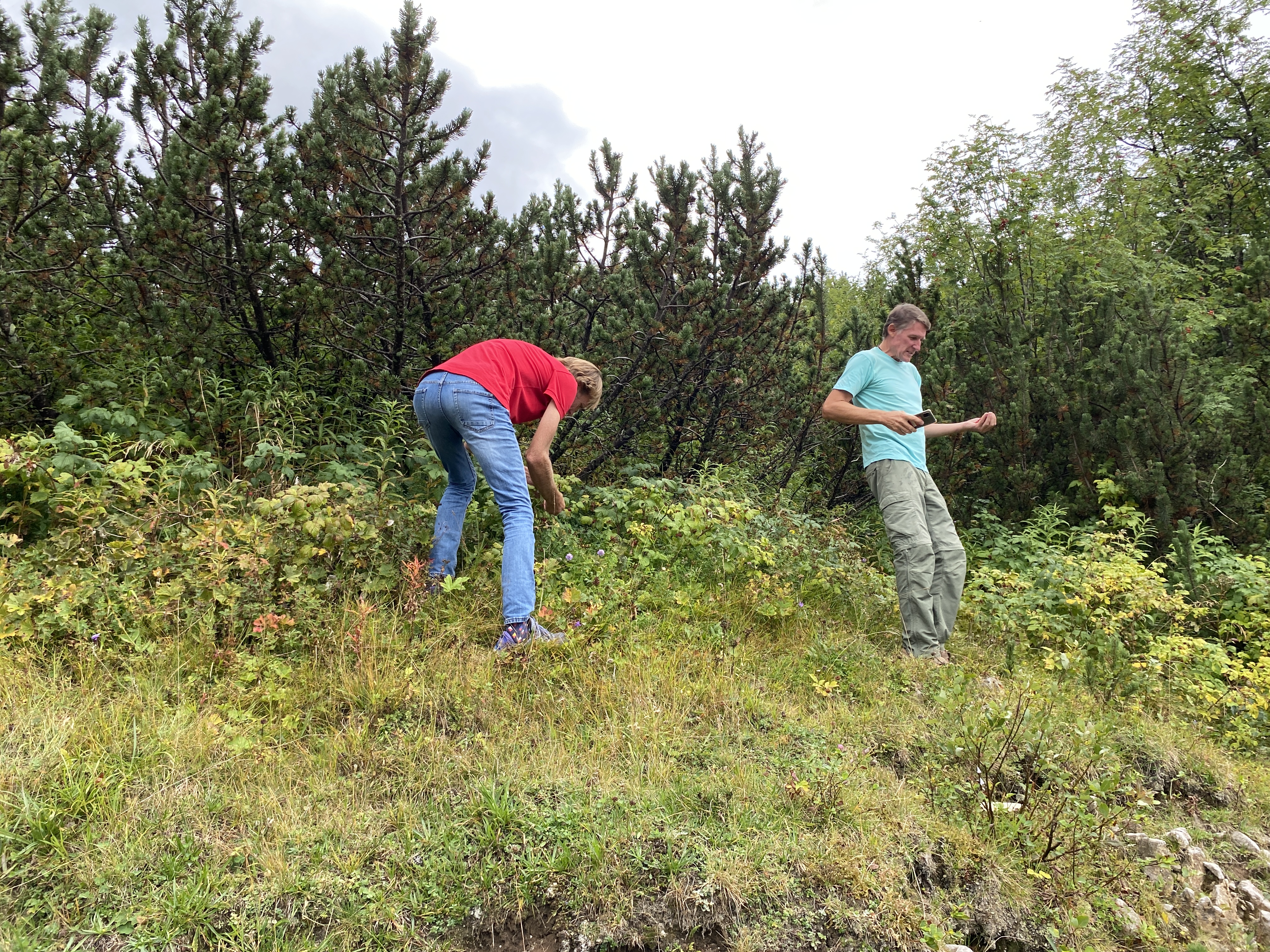
With the thunderstorm threatening so we cut the walk a bit short and hit the road again. There was a shower of rain and we ended up having a picnic lunch in the car, but the rain cleared in time for us to finish off our lunch with raspberries, strawberries and blueberries freshly picked from the side of the road.
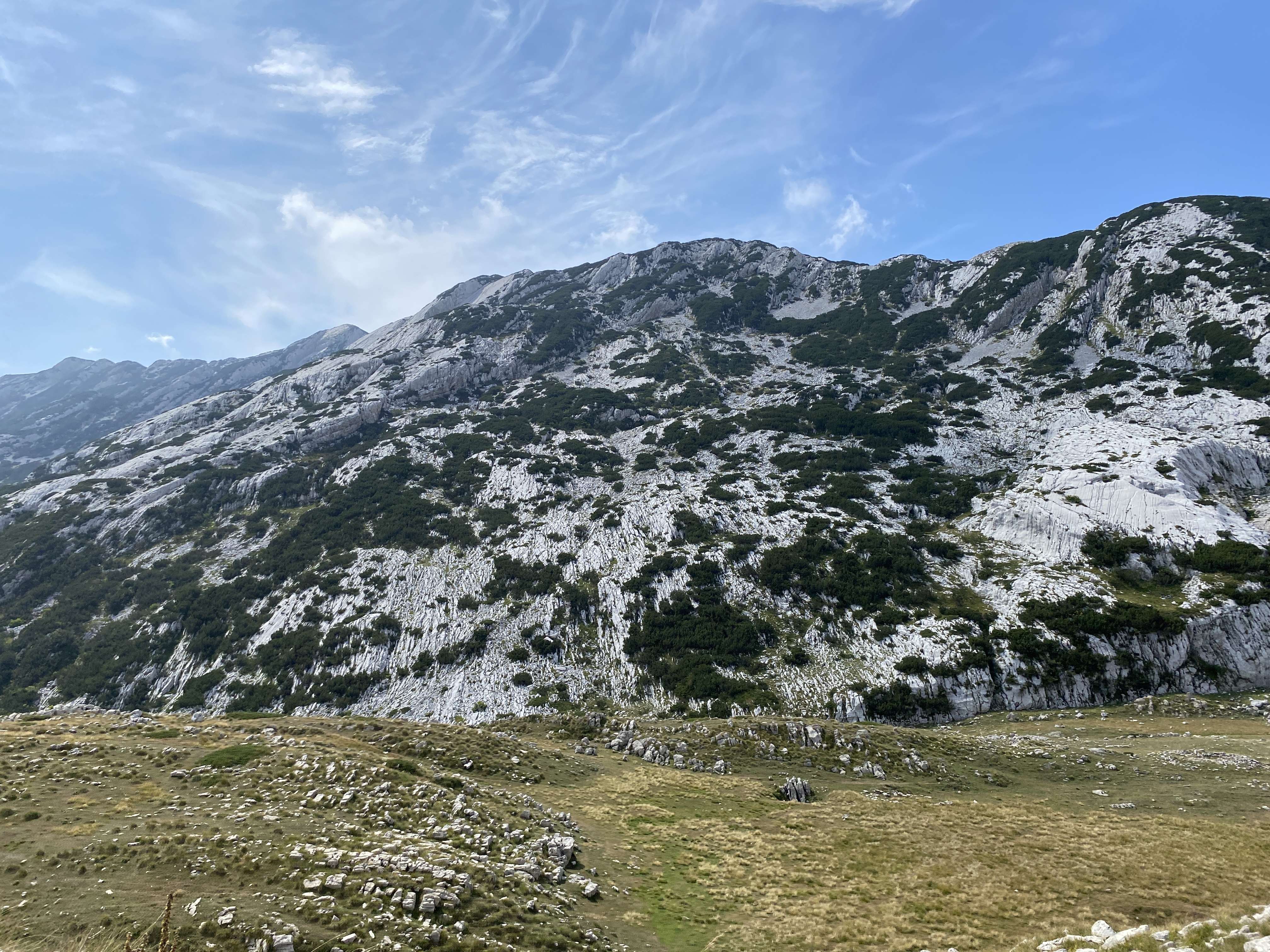
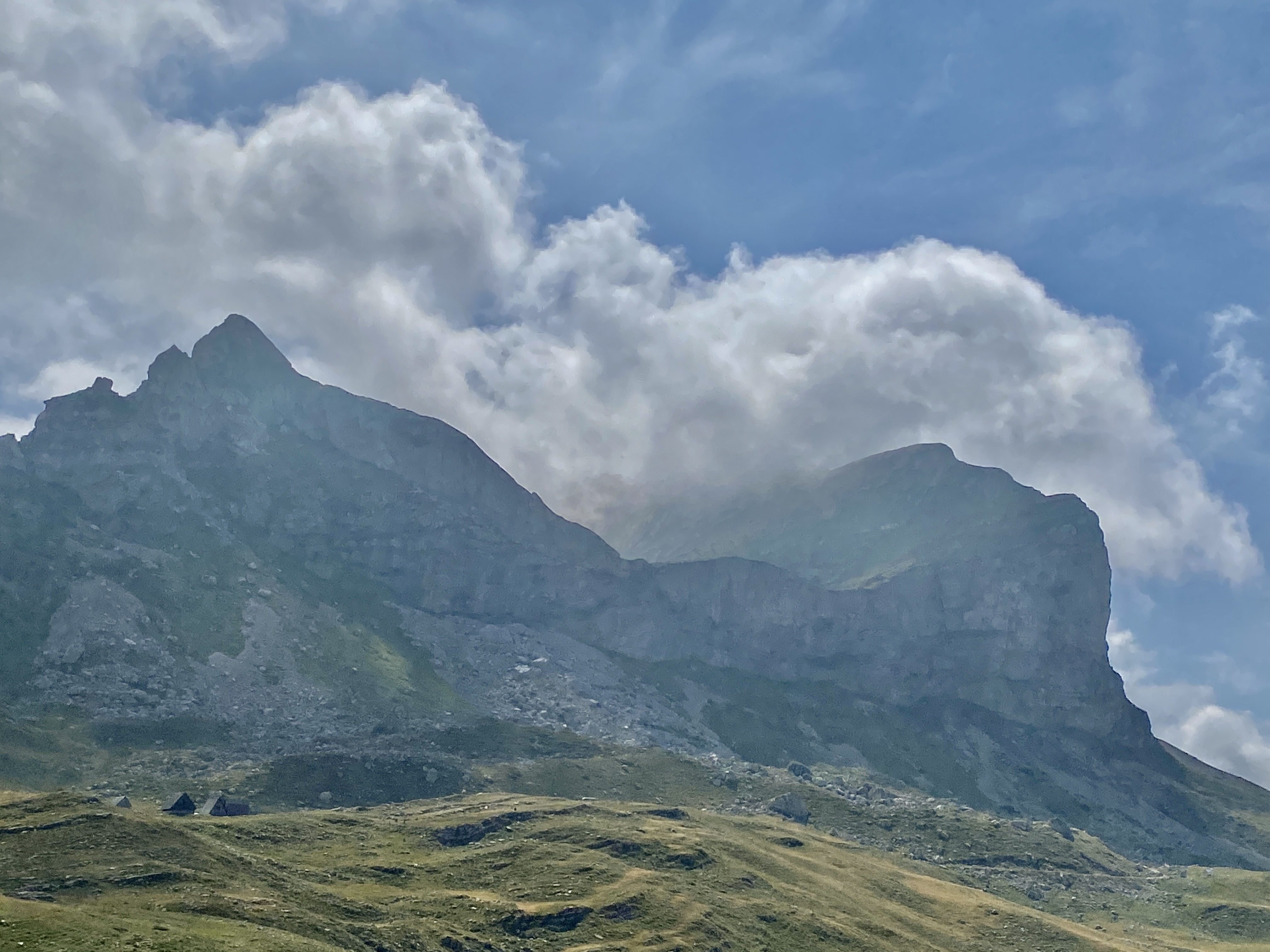
There are not enough superlatives to adequately describe the scenery that we saw that first afternoon – majestic mountains, high plateaus and lush green valleys.

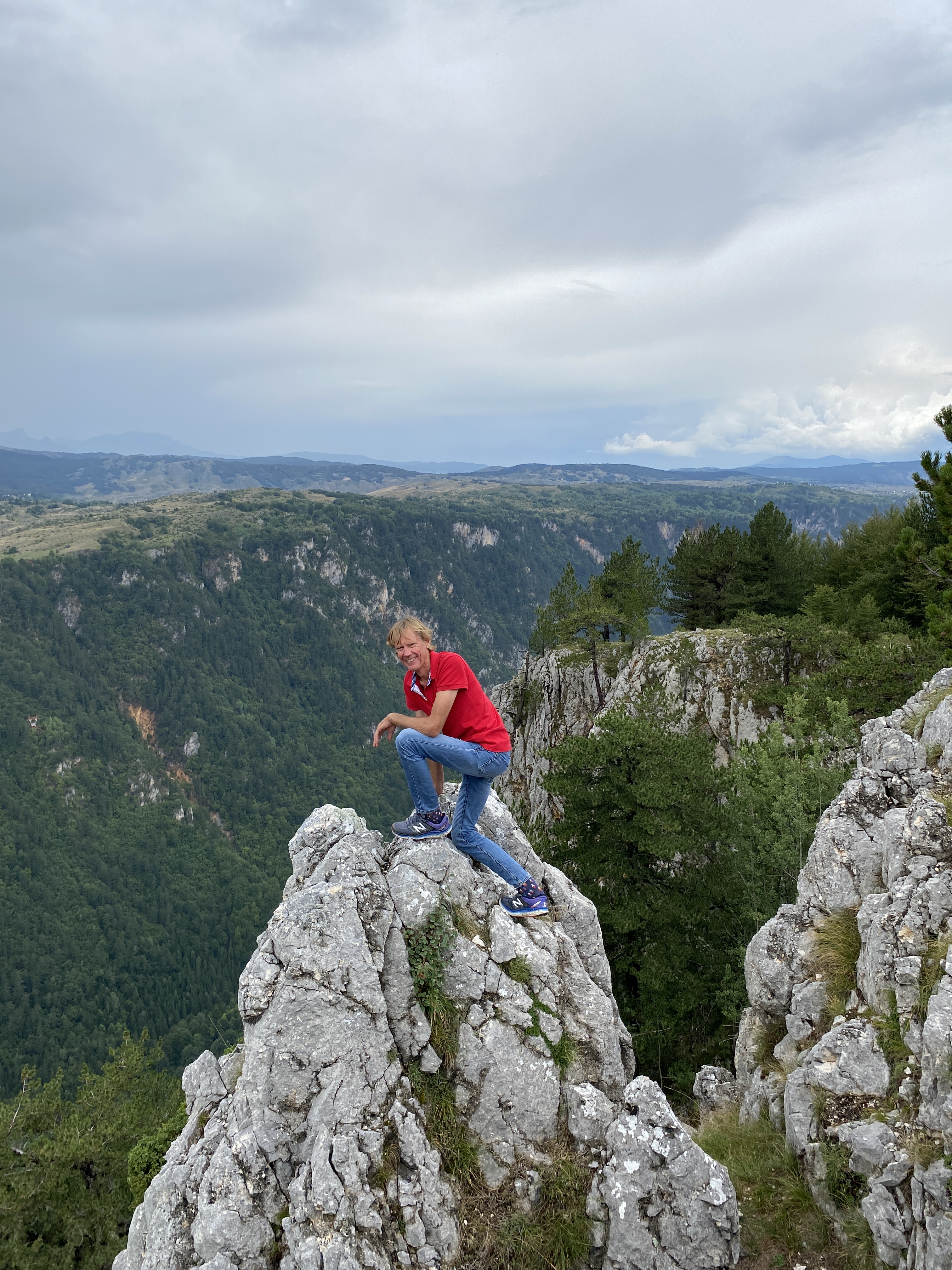
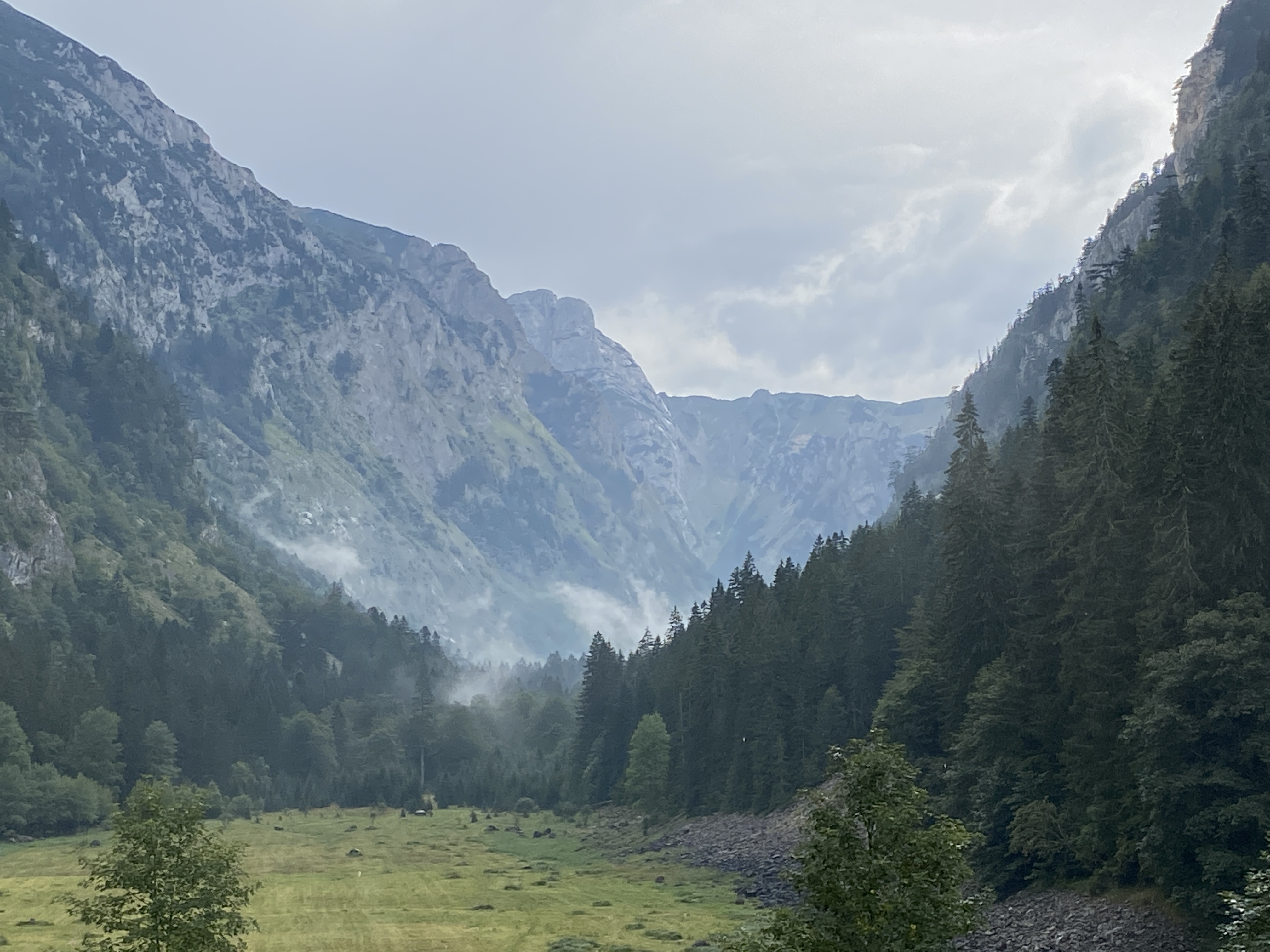
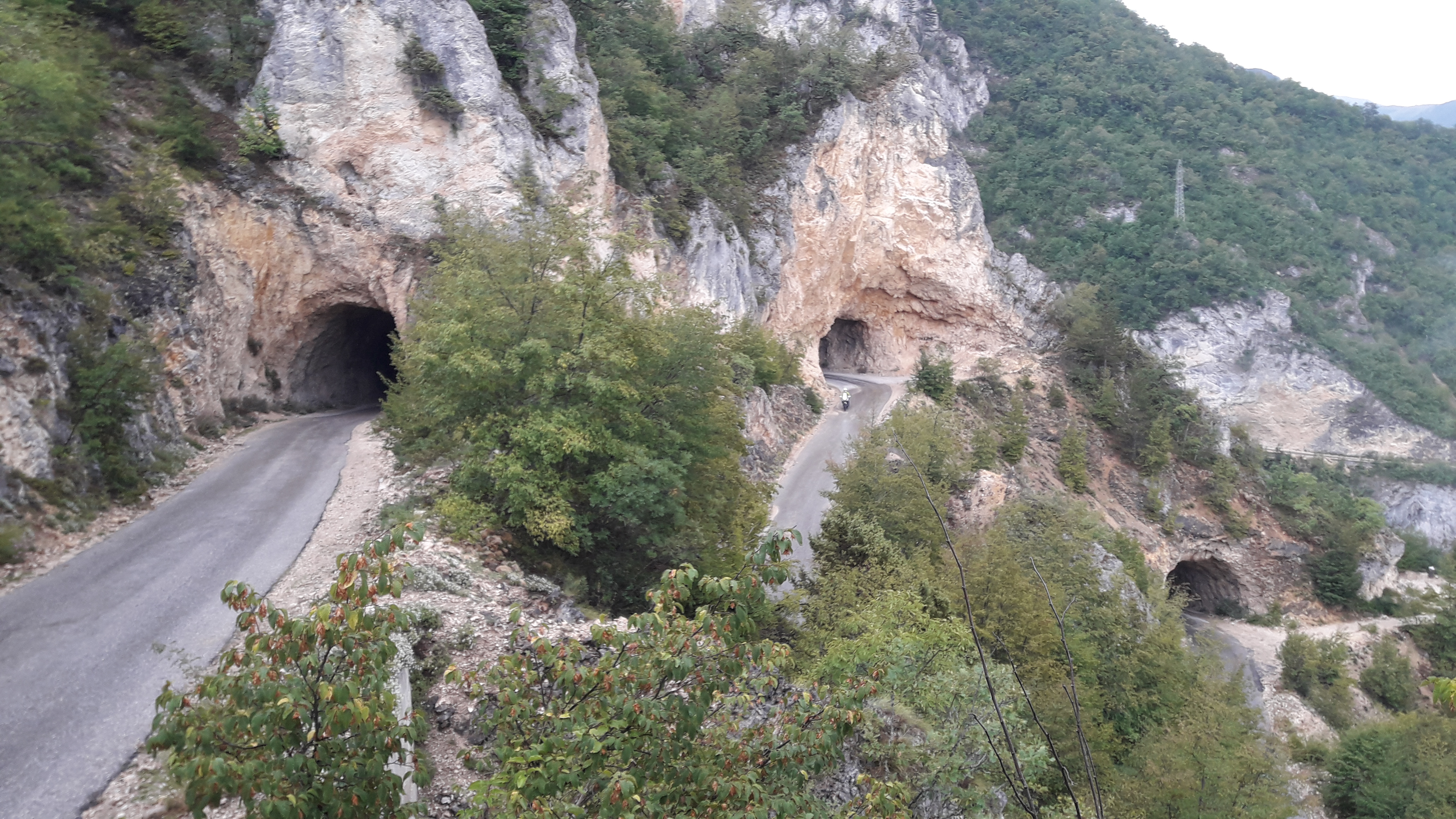
We wanted to have enough time to fully absorb it all and by mid-afternoon, it became clear that we needed another day to do it justice. So with our friend Google, we identified Pluzine, a town that seemed large enough to offer accommodation. It was slightly off the ring road and the route took us through some amazing tunnels which were great fun to drive through. The tunnels were hand carved into the rock and therefore had uneven ceilings which makes it a bit of a challenge for high vehicles to judge their clearance. Some of the tunnels even had hairpin bends!
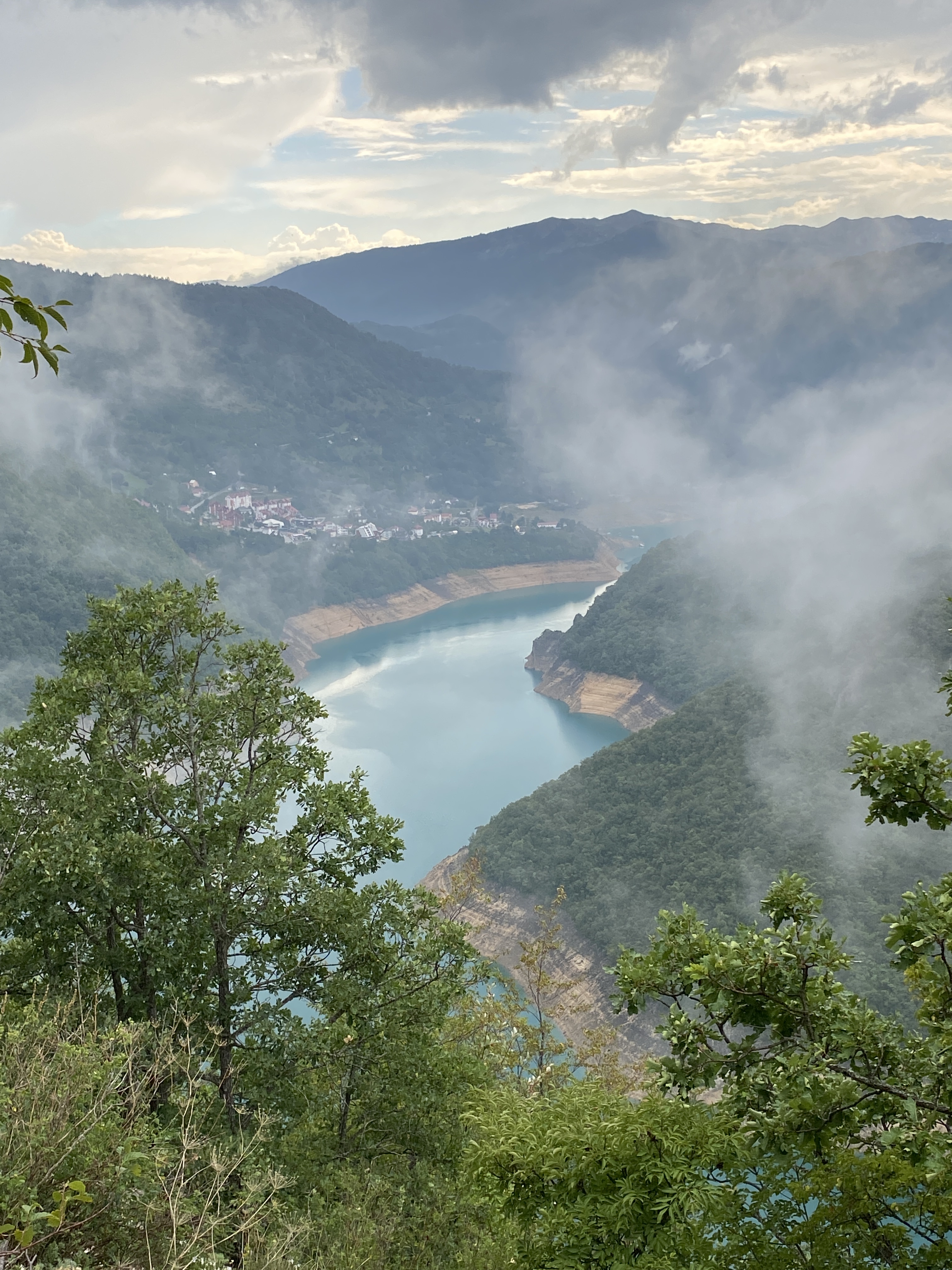
Finding accommodation was a bit of a challenge, but eventually we found a local house under which there were two guest rooms. They were basic but adequate – the beds were comfortable and the water was hot. As we walked through the town in the late afternoon, it was clear that this place gets very cold in the winter as there were some serious wood piles being prepared. We had a great meal in a very atmospheric restaurant that night.
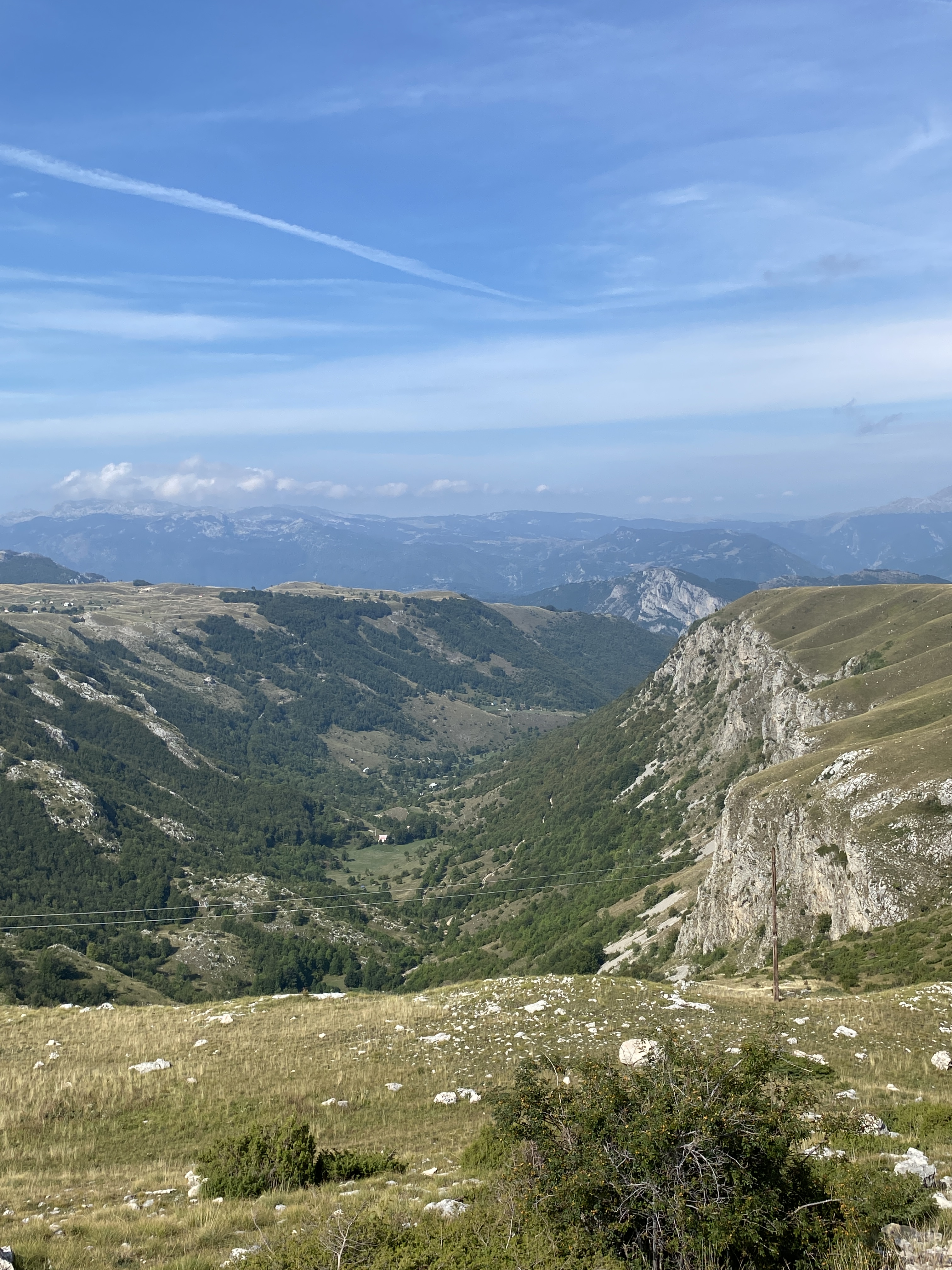
Back on the road again the next day, the scenery was even more spectacular. We wouldn’t have thought that was possible but it surely was. We were above the tree line for a large part of the day, so the trees disappeared and were replaced with short shrubby plants and alpine grass. The peaks were just so rugged and there were the most amazing limestone formations. We were totally in awe of this most amazing country – we were so overwhelmed it actually stopped us from talking (!) while we all just looked out the windows taking in the continually astounding views.

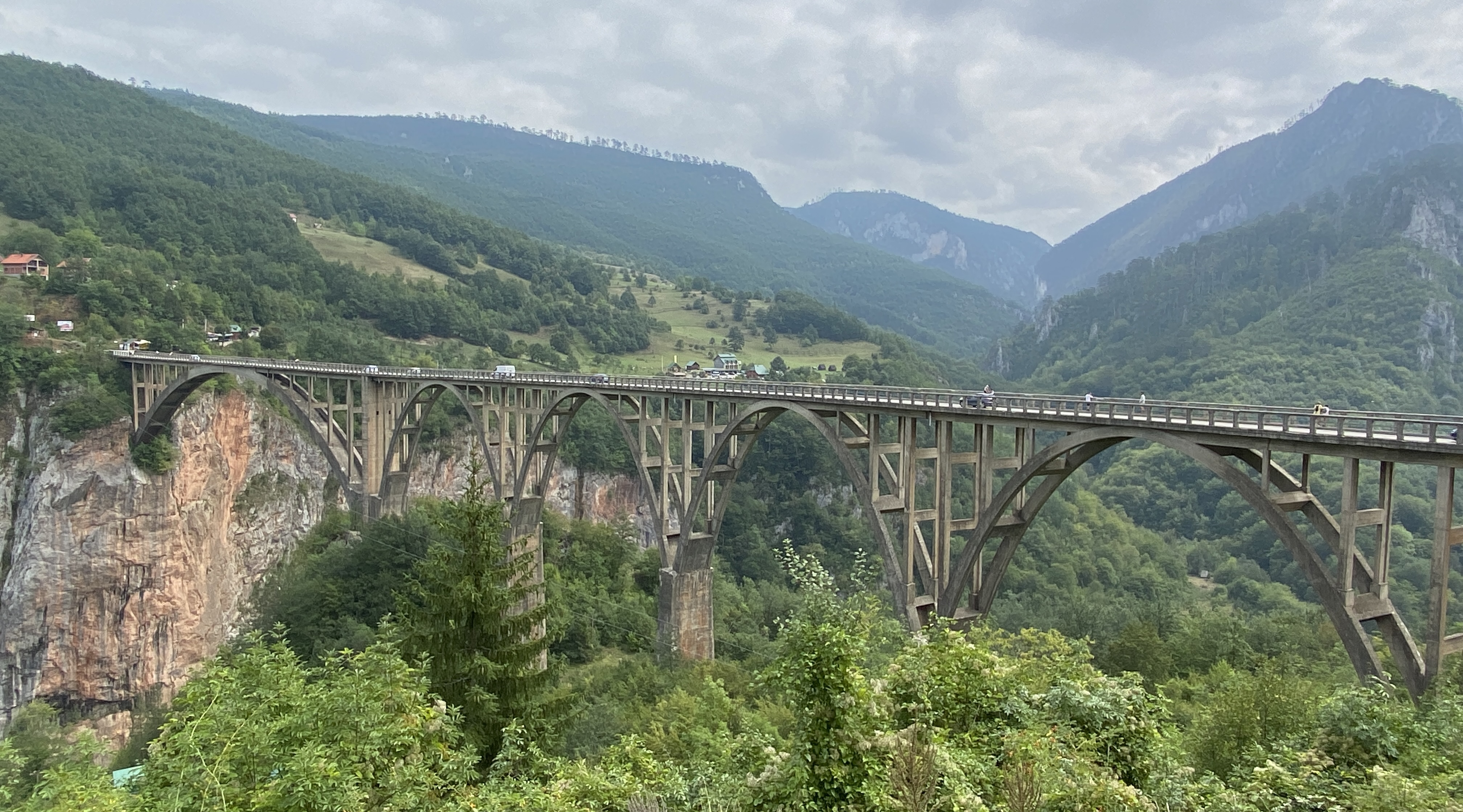
By lunchtime we were at Tara Canyon which at 1.3 km deep is the deepest gorge in Europe. The bridge across this canyon was completed just prior to WWII. In 1942, a large number of Italian and German troops were in nearby Zabeljak and the Montenegrin partisans ordered the bridge to be blown up. One of the engineers who built the bridge was selected to plant the bomb that actually did the job. He was ultimately captured by the occupying troops and executed on the remains of the bridge. The bridge was re-built in 1946.

We continued our climb down the mountains and by early evening, we were back at Budva where we found all in order with the boats. We all felt that we are so lucky to have had another simply tickety boo road trip on which we made memories to last a lifetime.
 paseafique
What an amazing area!
LikeLike
Awesome trip, by your account! Spectacular scenery and your collective joy comes through… thanks for sharing your adventures and thoughts, Lesley & Phil! Happy travels, wherever they lead…
Lyn
LikeLike